 Nintendo · 1983
Game consoles
Nintendo NES
History & context
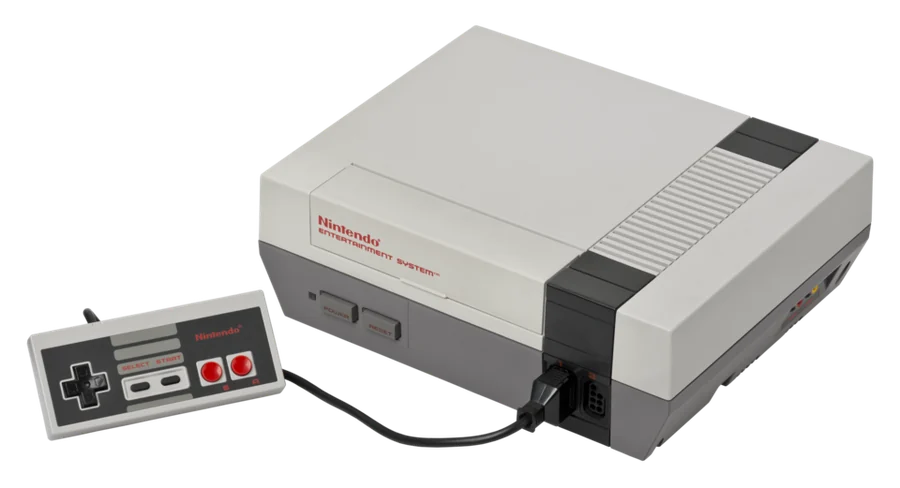
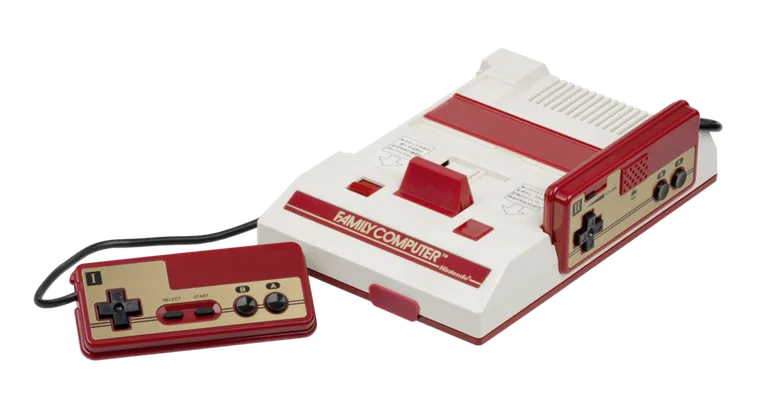
When the North American gaming market lay in ruins in the mid-1980s, few would have bet that video games would once again take over children's bedrooms all around the world. The crash of 1983, stores flooded with low-quality titles and the symbolic burial of unsold ET cartridges in the Texas desert sent a clear signal: entertainment on the television screen was a finished fad. And then came Nintendo. Its Famicom (Family Computer), which appeared in Japan in 1983, and its Western redesign the NES (Nintendo Entertainment System, USA 1985, Europe 1986/87) quite literally resurrected the entire industry.
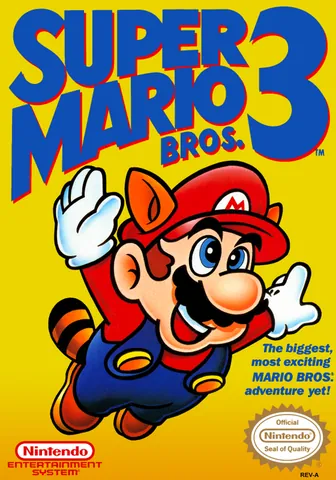
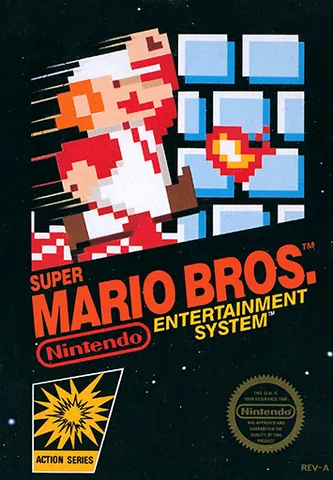
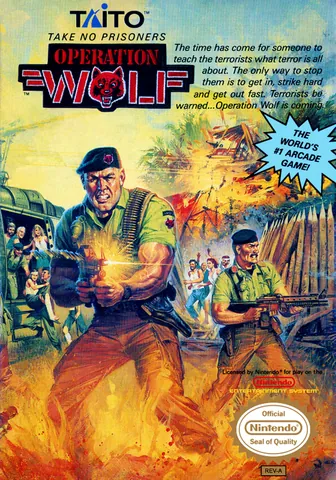
The key wasn't just the technology, but above all quality control. Nintendo introduced a strict licensing system with its famous "Nintendo Seal of Quality" and limited the number of titles a publisher could release per year — a direct reaction to what had killed the market before. The bundled Super Mario Bros. then showed what a perfect platformer should look like and became synonymous with games in general. The console ultimately sold over 60 million units and raised an entire generation of players and creators alike.
Technology: graphics and sound
At the heart of the NES is the eight-bit Ricoh 2A03 processor (2A07 in the PAL version), built on a core compatible with the MOS 6502, into which Nintendo also integrated the sound unit. It runs at roughly 1.79 MHz (NTSC). The image is handled by a separate graphics chip, the PPU (Picture Processing Unit), which manages a resolution of 256×240 pixels. From a total palette of 54 usable colours (64 values are often cited, some of which repeat), up to 25 colours can be put on screen at once, divided into palettes of four.
The PPU handles hardware sprites — a maximum of 64 sprites in total and 8 per line, which is why in older games the sprites flicker when overloaded. Smooth hardware scrolling of the background was a given, something Super Mario Bros. made famous.
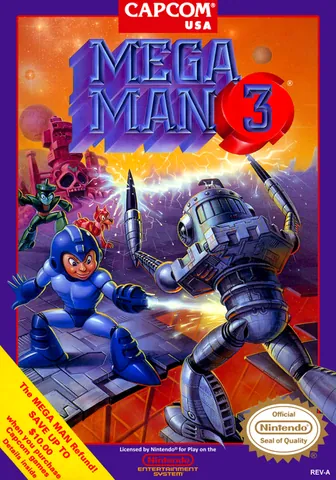
The sound chip offers five channels: two pulse (square) channels, one triangle channel for bass, a noise channel for percussion and a simple channel for sampled sound (DPCM). The characteristic "blip" melodies of composers like Koji Kondo were forever etched into collective memory. Many cartridges also contained additional mappers — chips that expanded memory addressing as well as graphics and sound capabilities. That's why late games like Kirby's Adventure or Mega Man 3 look and sound significantly better than the early titles.
Connectivity and peripherals
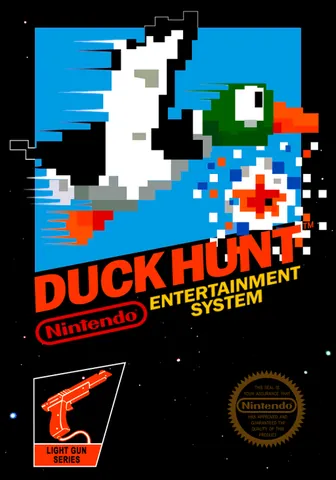
The NES had a rich array of accessories. The console came with the Zapper light gun controller (the legendary Duck Hunt) and the R.O.B. robot, which played more of a marketing role at launch. For more players there was the NES Four Score adapter (and in Japan, controller sockets right on the Famicom).
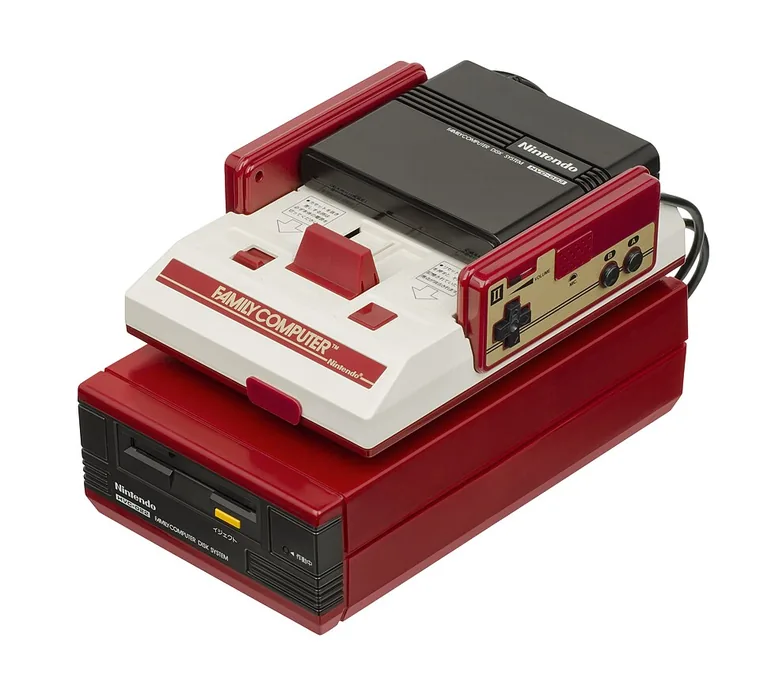
The Famicom also differed from the NES in its connectors: it had hardwired controllers, the second of which carried a microphone, and an expansion port for peripherals such as the Famicom Disk System floppy drive. In Japan the Famicom Modem also worked for online services. The North American NES sent its image via an RF modulator or a composite AV output; the later AV Famicom model added a higher-quality composite signal.
Models and revisions
The original American NES (model NES-001) had its iconic "toaster" design with a front slide-in slot and a ZIF press-down mechanism. It was precisely this mechanism that, over the years, became the cause of the notorious image flickering, as the contacts oxidised.
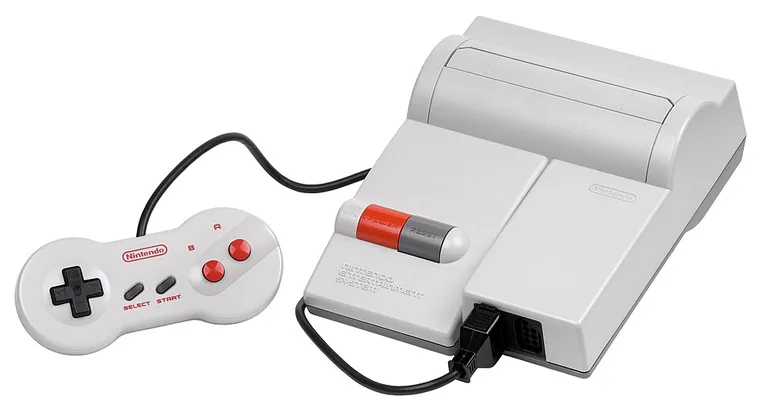
In 1993 a compact redesign, the NES-101 (the so-called "top loader"), came out with a top slot that eliminated the contact problems, though it lacked a composite output. In Japan Nintendo released the elegant AV Famicom (HVC-101) in 1993. Much later the miniature NES Classic Edition (2016) with emulated games also appeared.
Clones and variants
The NES is among the most cloned consoles of all time. Around the world, especially in the Eastern Bloc and Asia, unlicensed famiclones circulated. In Central and Eastern Europe the best known was the Pegasus — a famiclone sold from the turn of the 1980s and 1990s, which even in Czechoslovakia became the very first console for many children, because the original Nintendo was unavailable and expensive. These clones used hardware compatible with the Famicom and often came with multi-game cartridges.
Today's scene
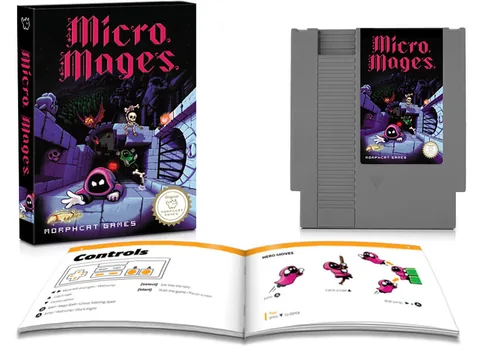
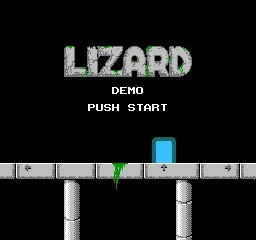
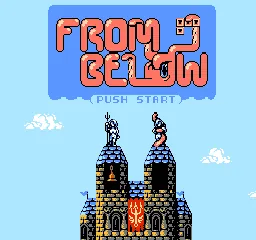
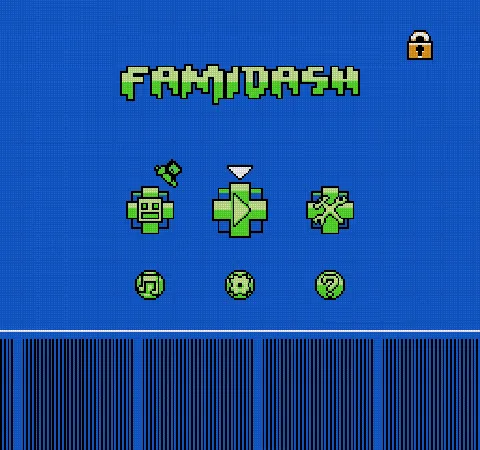
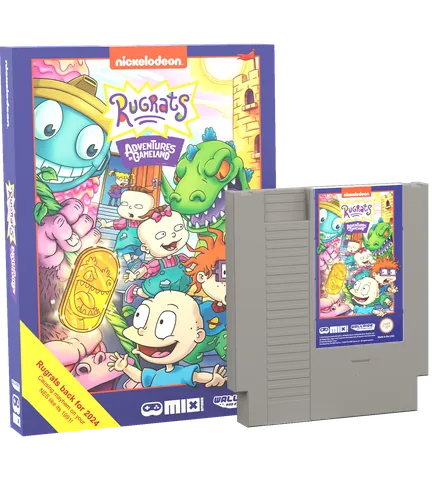
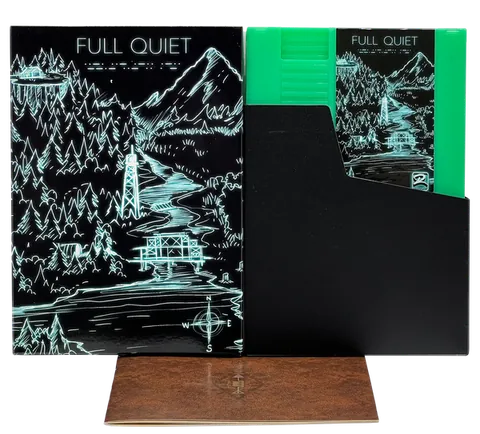
NES emulation is completely solved today — accurate emulators like Mesen or the Nestopia and FCEUX cores (often within RetroArch) run even on the weakest hardware. At the same time, the NES homebrew scene is probably the liveliest of all retro platforms. The tools and community have matured to such a degree that games like Micro Mages or Lizard are being made that look and play better than most period titles — and are even released on actual cartridges. For many creators the NES remains a dream platform precisely because of those "beautiful limitations" that force clever and honest design.
Games on this platform (120)
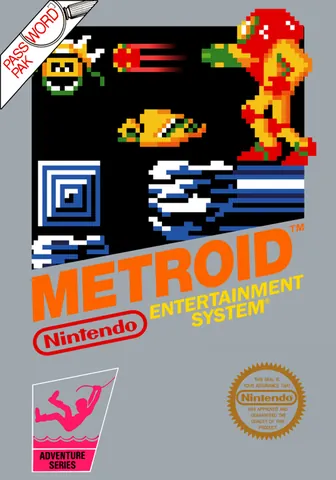
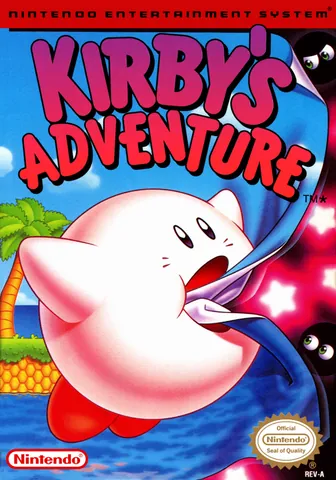
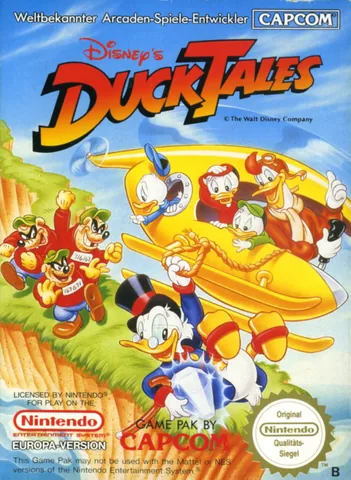
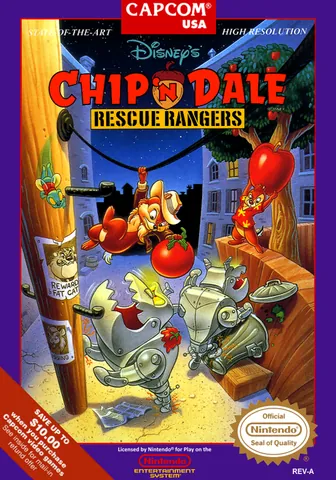
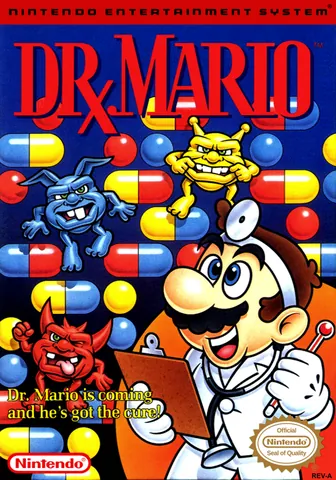
Dr. Mario
A plumber in a white coat fights colorful viruses; one of the most addictive games on NES.
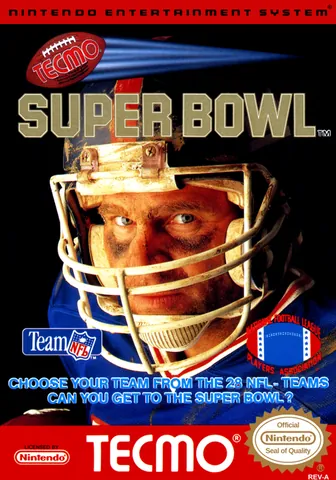
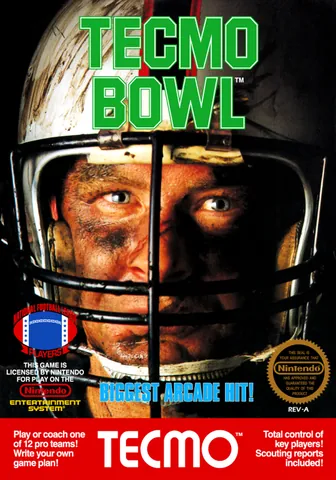
Tecmo Super Bowl
A cult American football game by Tecmo; its community is still alive decades later.
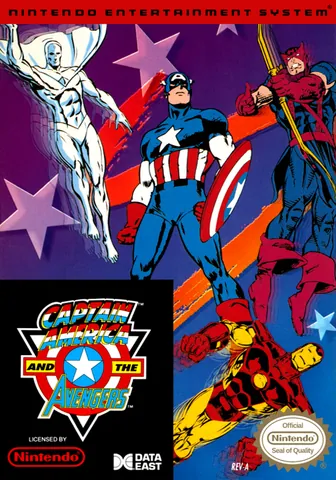
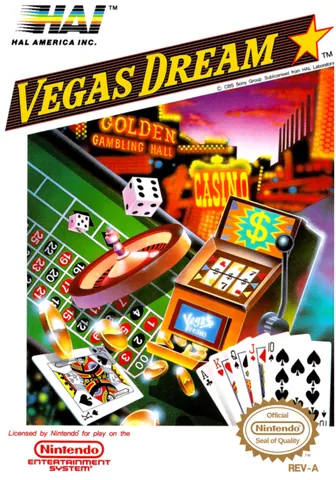
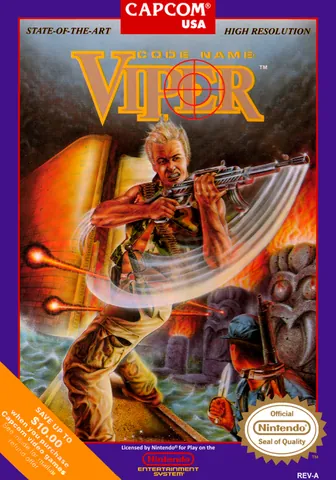
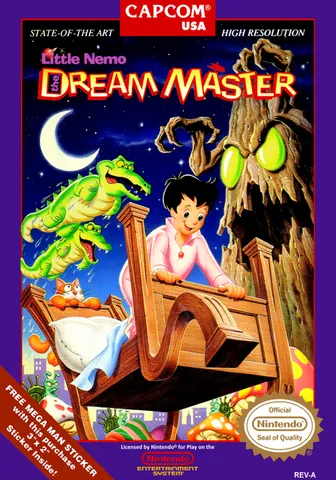
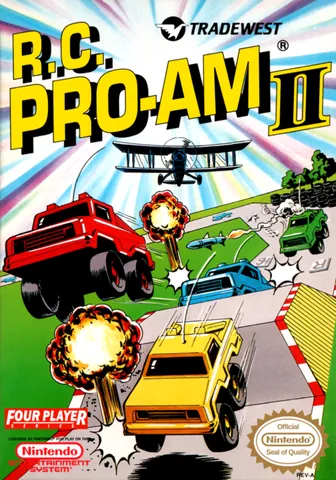
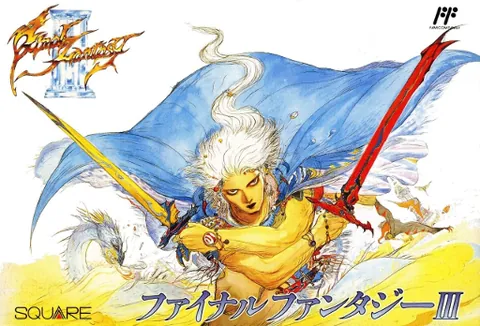
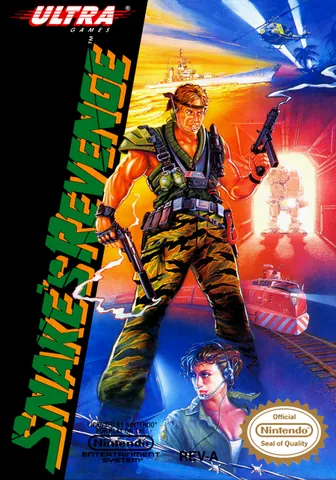
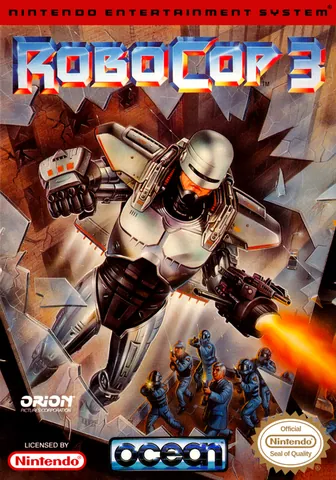
No game in this genre.