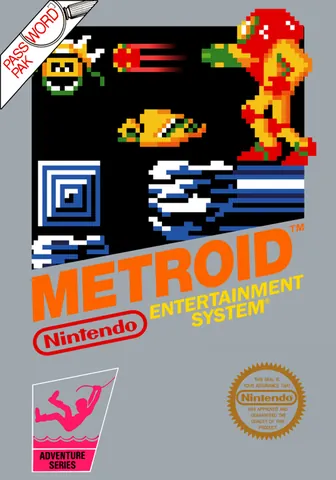
Metroid
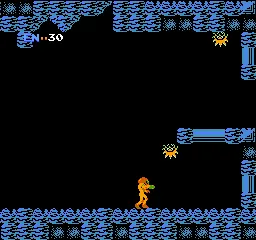
You wake up on the alien planet Zebes, alone, without a map and without a hint of where to go. This solitude and sense of being lost are not a flaw — they are the whole point of the game. Metroid, from the Nintendo R&D1 workshop in 1986, did something almost no one did at the time: it made exploration the main game mechanic.
Instead of linear levels you get one large, interconnected world full of locked doors and inaccessible shafts. The key to progress is newly gathered abilities — the Morph Ball for squeezing through narrow corridors, Bombs, the Ice Beam that freezes enemies, the High Jump. Each new piece of gear opens up previously inaccessible nooks and forces you to backtrack and rethink locations you've already passed. From this principle of „an ability unlocks the world“ later grew an entire genre whose name arose from the union of Metroid and Castlevania — metroidvania.
The atmosphere is dark, lonely and oppressive. Hirokazu Tanaka's music is not a pleasing melody but rather the sonic backdrop of a hostile planet that breeds unease in you. No rush, no crowds of enemies — just you, the echo of your footsteps and the sense that something unpleasant lurks behind the next wall.
And then there is the legendary finale. After finishing quickly enough, it is revealed that beneath the bulletproof armor of hunter Samus Aran hides a woman — a reveal that in the mid-1980s hit like a bolt from the blue and to this day ranks among the most cited moments in gaming history. Samus became one of the first and most striking female heroines in the medium.
Metroid is not the most welcoming game of its time — there is no map, saving was handled by passwords, and it is easy to get lost. But it is precisely that harsh nonlinearity that makes the first trip to Zebes an unforgettable and, to this day, influential experience.
Why play: The game that literally named an entire genre — lonely exploration, the gradual unlocking of the world and one of the most famous reveals in the history of games.
Game 9 of 120 for Nintendo NES
From the same series Metroid →
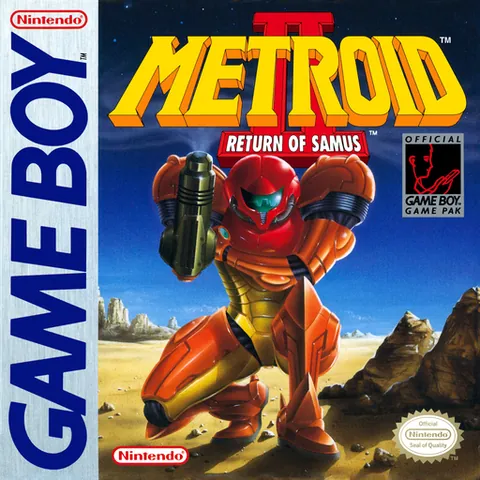 Metroid II: Return of Samus GB · 1991
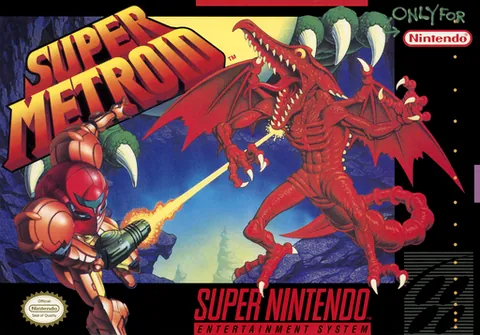 Super Metroid SNES · 1994
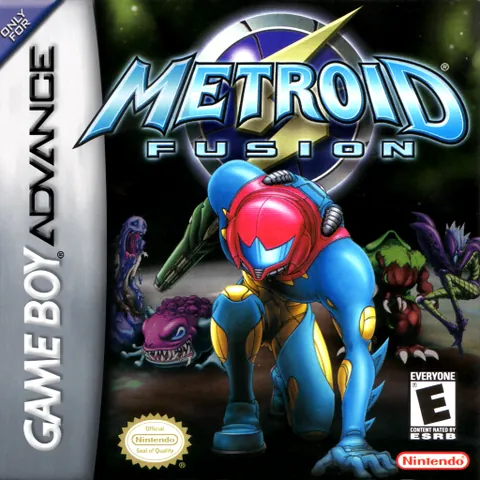 Metroid Fusion GBA · 2002
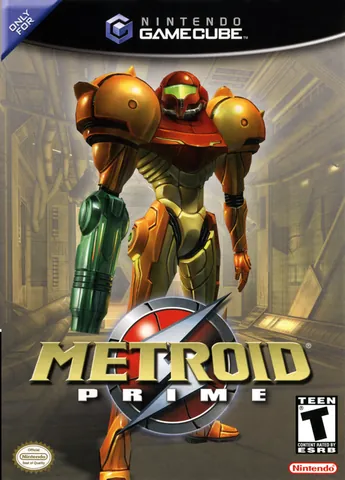 Metroid Prime GCN · 2002
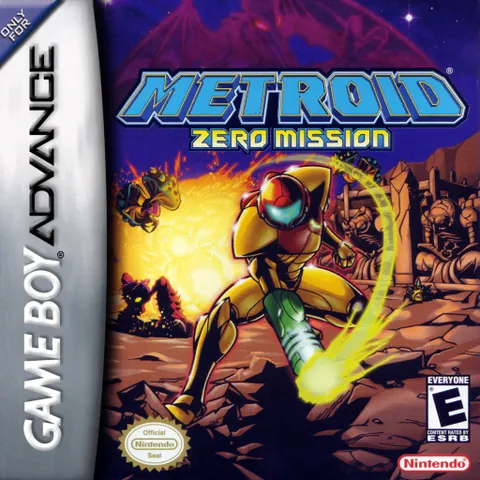 Metroid: Zero Mission GBA · 2004
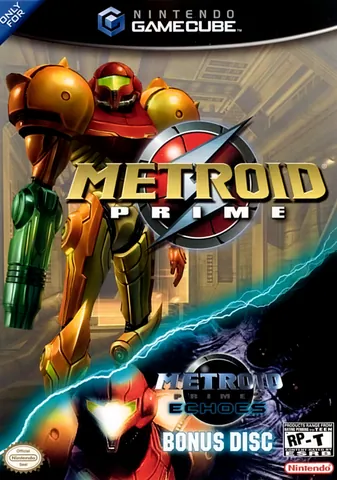 Metroid Prime 2: Echoes GCN · 2004
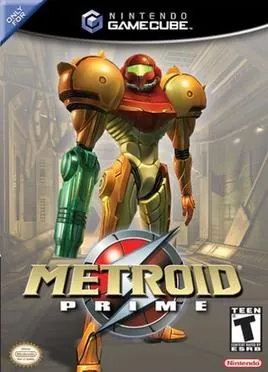 Metroid Prime Pinball DS · 2005
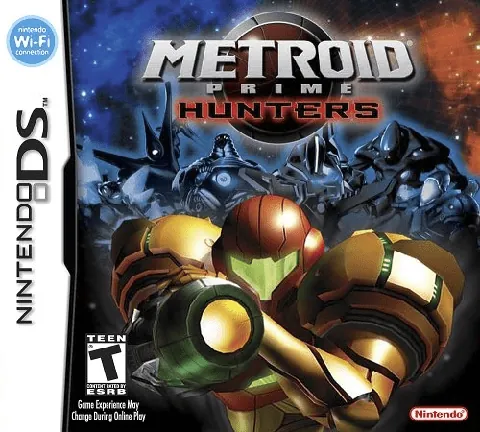 Metroid Prime Hunters DS · 2006
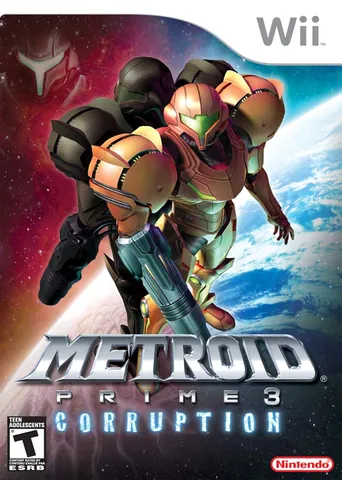 Metroid Prime 3: Corruption Wii · 2007
 Metroid Prime Trilogy Wii · Wii U · 2009
 Metroid: Other M Wii · 2010
 Metroid Prime: Federation Force 3DS · 2016