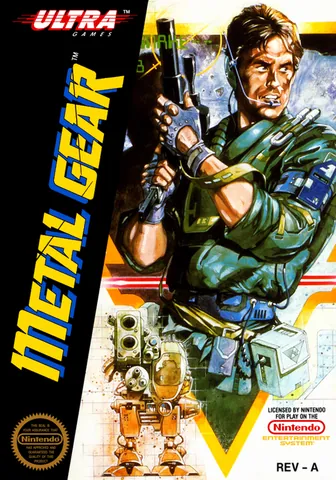
Metal Gear
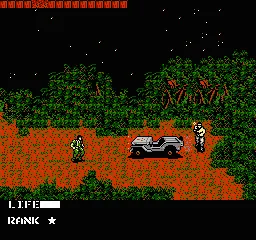
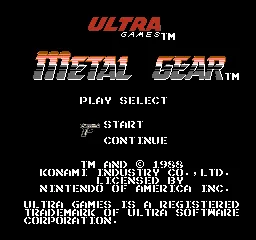
Metal Gear is one of the most pivotal games in the history of the medium, this is where Hideo Kojima laid the foundations of the entire stealth genre and launched the legendary series that made him famous around the world. The original game from 1987 came out on the MSX2 computer, and its vision was revolutionary for its time: you're not meant to overpower the enemy by force, but to avoid him.
As soldier Solid Snake you infiltrate the fortress of Outer Heaven to destroy the walking war machine Metal Gear. Instead of shooting mindlessly, you sneak through the shadows, dodge the guards' lines of sight, hide behind walls and look for ways to slip past unnoticed. You collect weapons and equipment gradually and have to think about whether to get into a fight at all. This emphasis on stealth, tension and planning was utterly groundbreaking in an era of mindless action shootouts. The 1987 NES version reached the West as most players' first encounter with the series, but it was adapted without Kojima's oversight and carries its flaws: altered levels, a weakened finale and the infamous line about contacting your commander. Even so it remains historically hugely important: for retro gamers it's a fascinating look into the cradle of a genre from which one of the most acclaimed stories in gaming later grew.
Game 85 of 120 for Nintendo NES
The same title elsewhere (1)
The MSX2 original was developed directly under Hideo Kojima's supervision and represents his original vision of the game, including the layout of the Outer Heaven base. The Nintendo NES version, released in the West by Konami under the Ultra Games label, was not a straight port – its maps and enemy placement were largely reworked and differ from the MSX2 original, and it earned a reputation for its notoriously awkward English translation. Because of this, the MSX2 version is generally regarded by fans and Kojima himself as the more authentic experience, while the NES port was for many years the only version known outside Japan and MSX-friendly Europe. The sound chips give the music a different character, but the real difference lies in level design and stealth atmosphere.
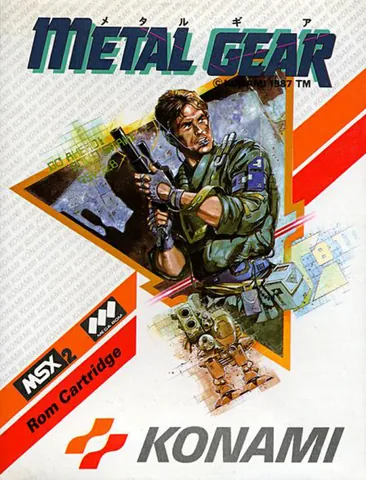
From the same series Metal Gear →
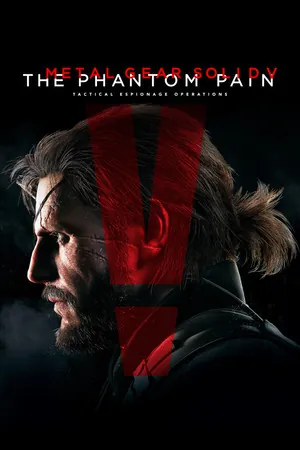 Metal Gear Solid V: The Phantom Pain PS3 · PS4 · XONE · PC
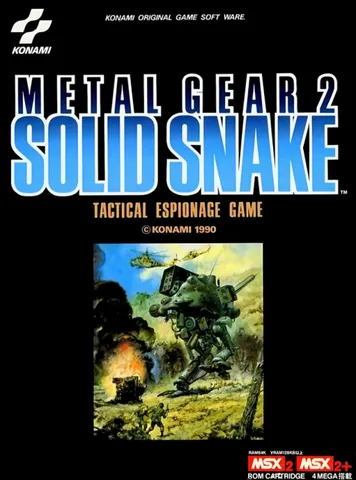 Metal Gear 2: Solid Snake MSX · 1990
 Metal Gear Solid PS1 · Win9x · 1998
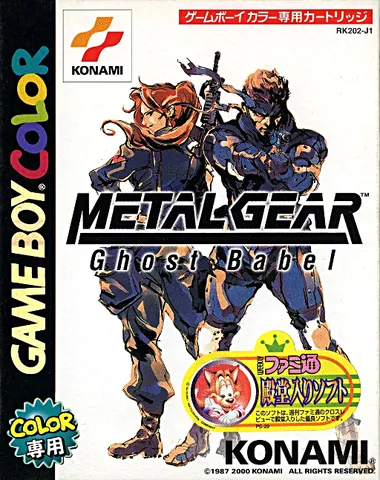 Metal Gear: Ghost Babel GBC · 2000
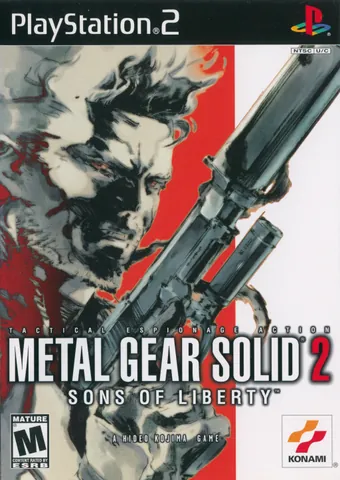 Metal Gear Solid 2: Sons of Liberty PS2 · 2001
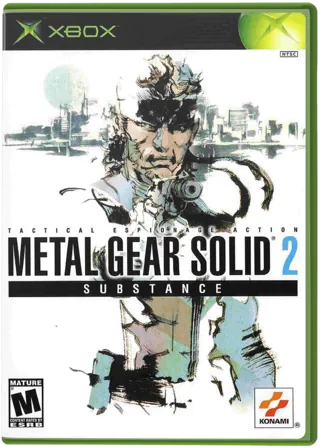 Metal Gear Solid 2: Substance Xbox · 2003
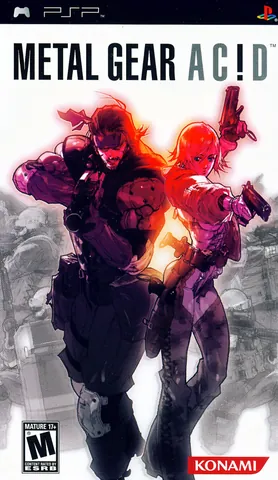 Metal Gear Ac!d PSP · 2004
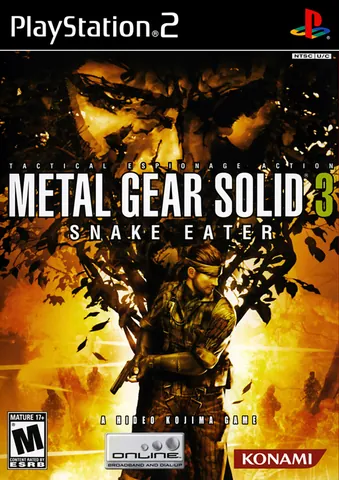 Metal Gear Solid 3: Snake Eater PS2 · 2004
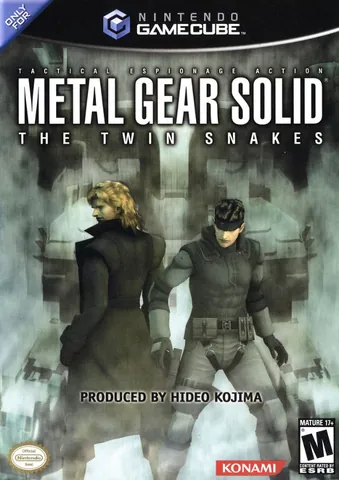 Metal Gear Solid: The Twin Snakes GCN · 2004
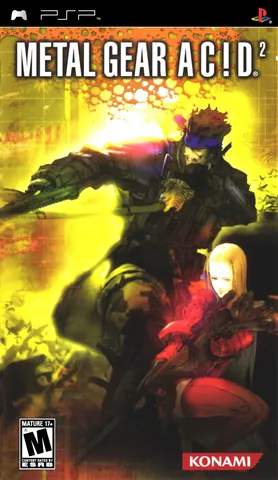 Metal Gear Ac!d 2 PSP · 2005
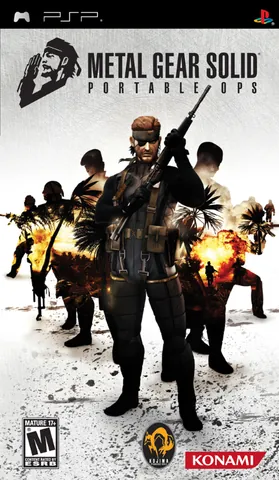 Metal Gear Solid: Portable Ops PSP · 2006
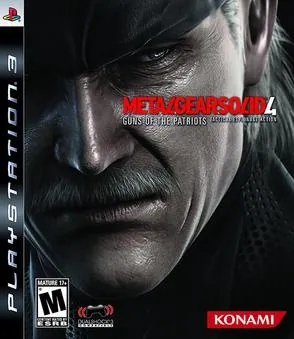 Metal Gear Solid 4: Guns of the Patriots PS3 · 2008