 Atari · 1982
Game consoles
Atari 5200
History & context
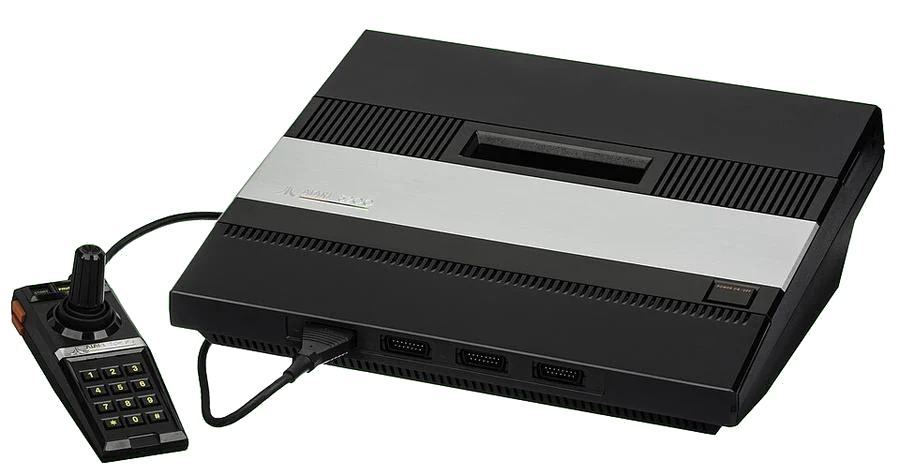
When Atari unveiled the Atari 5200 "SuperSystem" console in the autumn of 1982, it was meant to be a dignified farewell to the era of the simple VCS (Atari 2600) and an entry into a new generation. The machine arrived at a time when Atari's 400/800 series home computers had already been earning praise for their graphics for several years, and the 5200 was technically based on them. The console was to face the rising Intellivision and ColecoVision, but it met an unfortunate fate: it arrived shortly before the crash of the American gaming market in 1983, and due to a problematic controller and the lack of backward compatibility with the 2600 library it never won broader favor. Nonetheless, it is a technically interesting and today prized piece of history.
Technology: graphics and sound
The heart of the Atari 5200 is the proven trio of chips from Atari's home computers. The image is handled by the ANTIC and GTIA coprocessors, which cooperate with the main MOS 6502C processor (a variant with bus-sharing support, designated "Sally") clocked at around 1.79 MHz. For its time this architecture enabled excellent smooth scrolling, display lists (programmable graphics modes line by line), and hardware sprites, which Atari called player/missile graphics – up to four "players" and four "missiles." The console handled a palette of 256 colors and roughly dozens of colors on screen at once, which placed it above the competition in terms of color range.
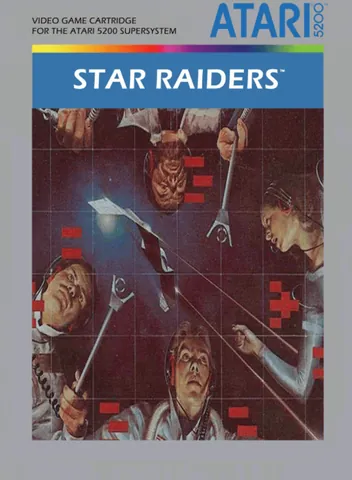
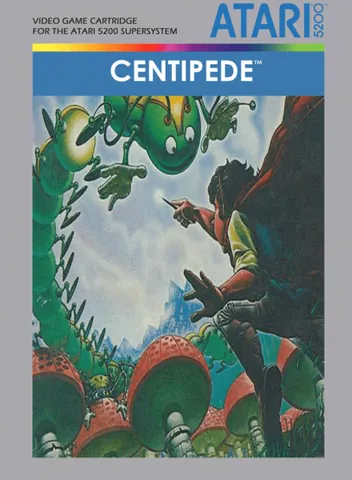
Sound is handled by the POKEY chip with four independent audio channels. POKEY also handled reading the controllers and generating noise, so it was suitable for both gunfire and melodies. Thanks to this foundation, games like Star Raiders or Centipede looked and sounded markedly richer on the 5200 than on the older VCS.
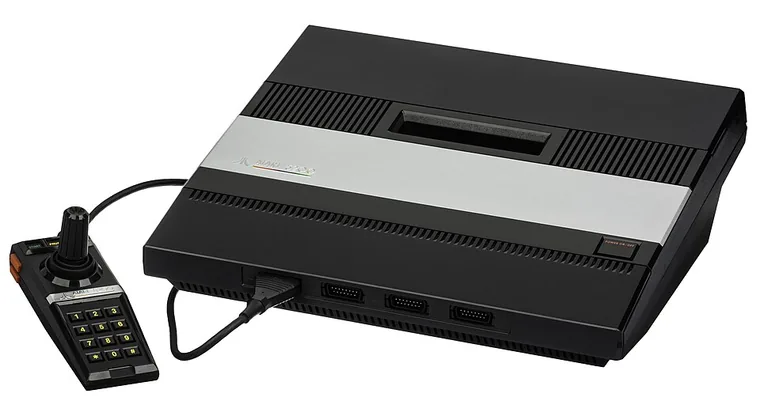
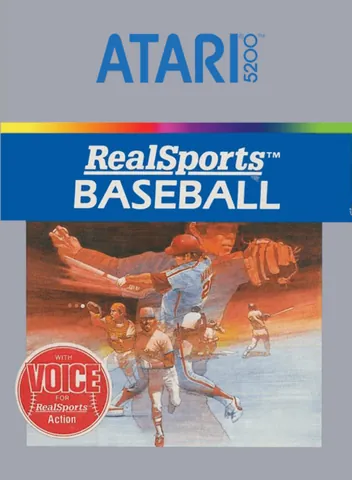
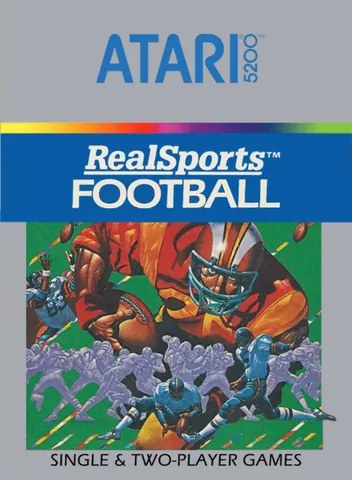
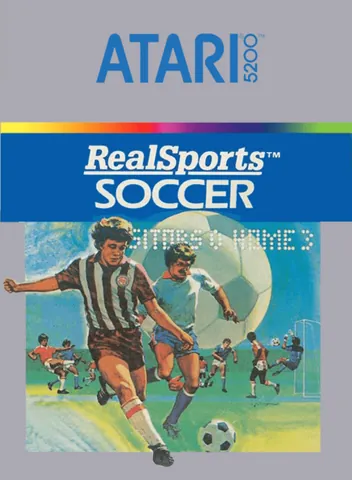
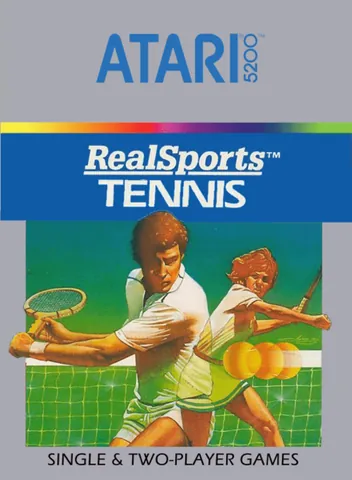
A characteristic yet at the same time most problematic element was the analog controller. It was one of the first analog joysticks in a home console – it did not return to center on its own, had a numeric keypad, START/PAUSE/RESET buttons, and two side fire buttons. In practice, however, it was unreliable and prone to failure, which famously harmed the console. The console had four ports for controllers, so it allowed multiplayer games; but only a few games for four simultaneous players were released (e.g. the Realsports titles).
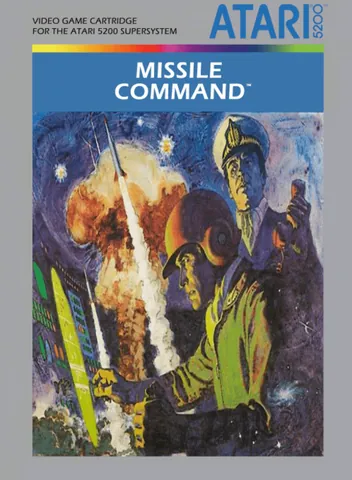
A peculiarity of the first version was the automatic RF switch powered by a special cable – after being turned on, the console switched itself to the television input. Peripherals also included the Trak-Ball controller, suitable for games like Centipede and Missile Command, and planned (but effectively never released) voice and keyboard hardware. A planned adapter for playing games from the Atari 2600 did appear later, but only in a limited way.
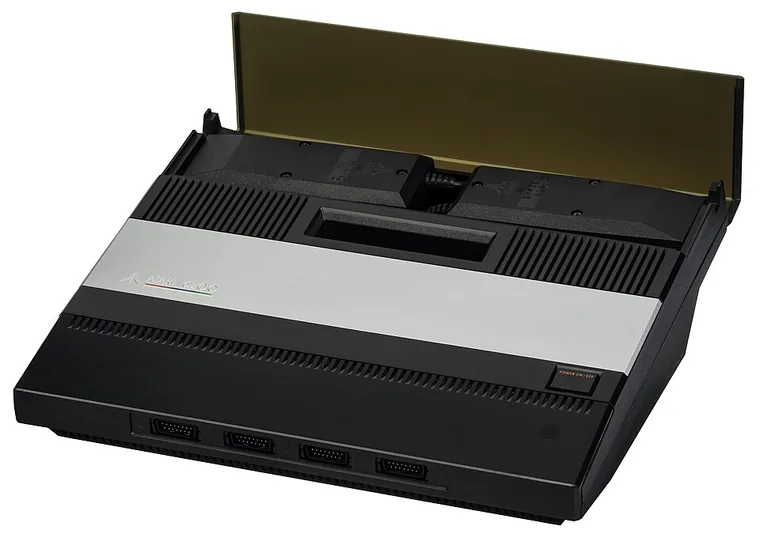
The Atari 5200 came first as a four-port version (1982), which in 1983 was succeeded by a redesign with two ports. The two-port variant abandoned the automatic RF switch in favor of an ordinary switching cable and gained a new connector on its left side – this was precisely where the adapter for Atari 2600 games was to be connected. The internal board also changed, so some games sensitive to timing did not get along equally with both revisions.
A large part of the library was essentially conversions of games from the Atari 400/800 computers, because they shared the same architecture. This also meant that anyone who owned an Atari computer had access to similar games by another route – and so the console lost part of its distinctiveness.
Clones and variants
Outright standalone clones of the Atari 5200 practically do not exist – the console was not sold for long or widely, so no one copied it the way it happened with, say, the NES (famiclones) or the ZX Spectrum. Worth mentioning, though, is the close kinship with the Atari 400/800 computers and later XL/XE models: at its core it is the same hardware family. In Czechoslovakia, the interest of retro enthusiasts focused rather on the related Atari eight-bits (the XL/XE series), which were imported here even through second-hand shops and which had a lively demoscene here, while the 5200 console itself remained a rarity that practically never reached us.
Today's scene
The Atari 5200 is today reliably run by emulators focused on eight-bit Ataris, primarily Altirra (excellent accuracy) and the cross-platform Atari800, and it is also supported by a number of cores in RetroArch. Playing on a keyboard or on a gamepad, moreover, also solves the original problem with the unfortunate analog controller. The community around Atari is still active: new homebrew titles are created, corrected releases of old games, and hardware projects such as replacement controllers and flash cartridges, thanks to which one can play the whole library on real iron. For collectors, the 5200 is today a prized, if bulky, piece for the display cabinet – a reminder of an ambitious console that was sunk by bad timing and one botched joystick.
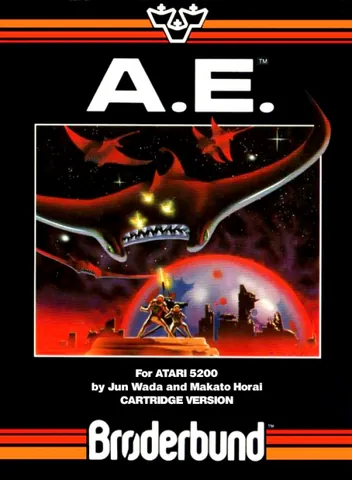
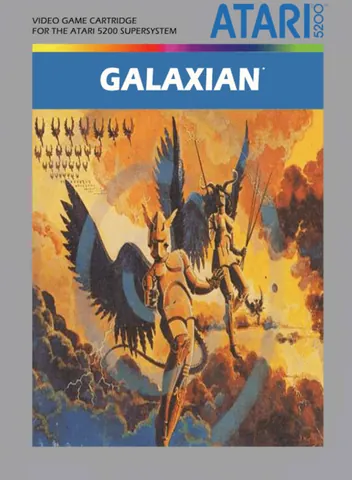
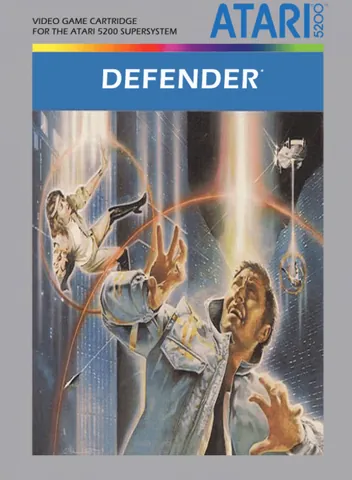
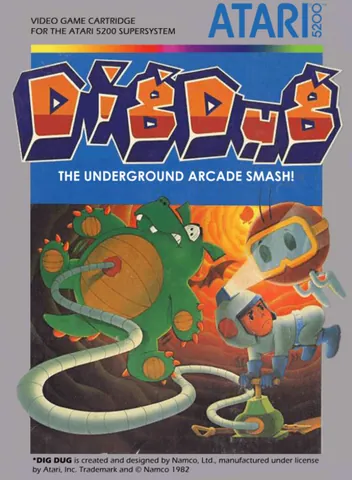
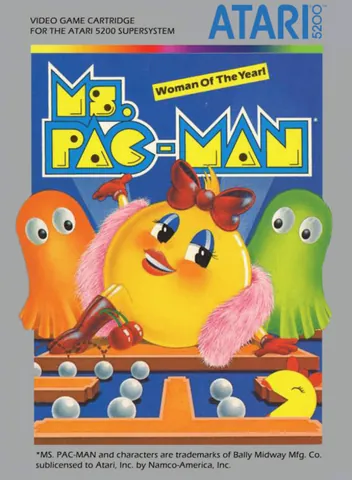
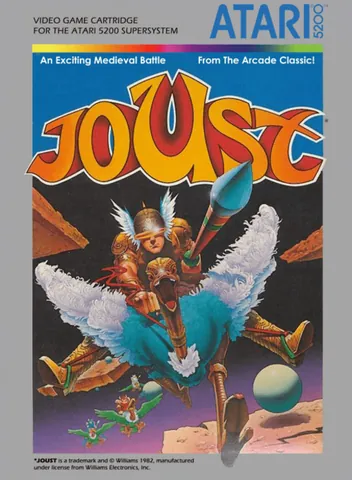
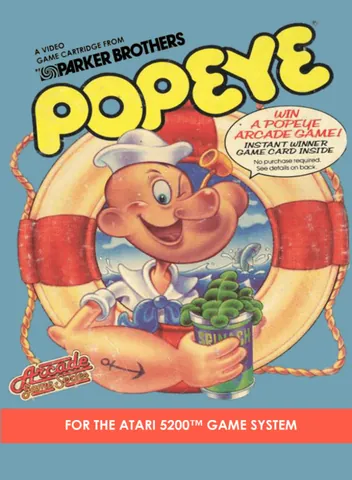
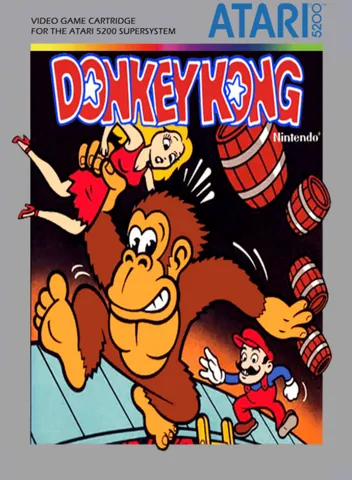
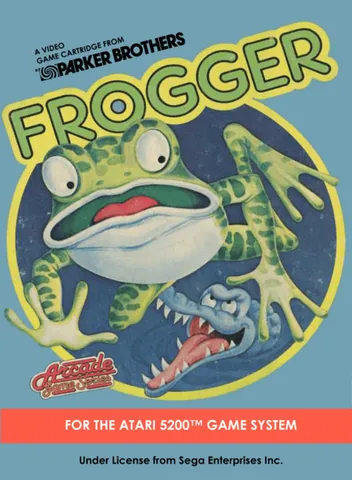
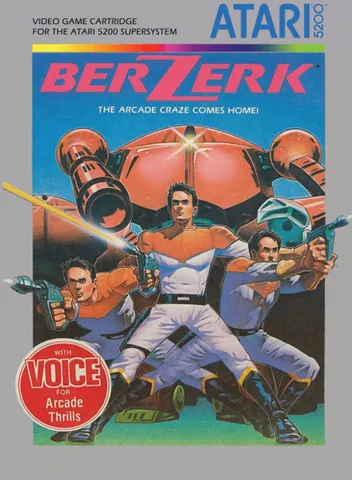
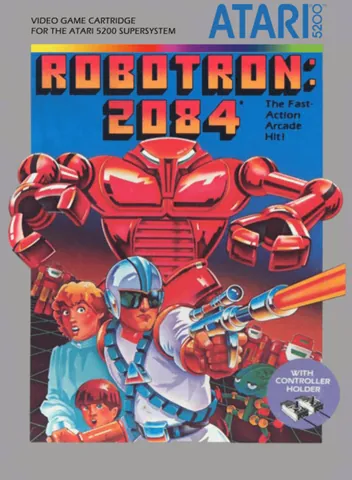
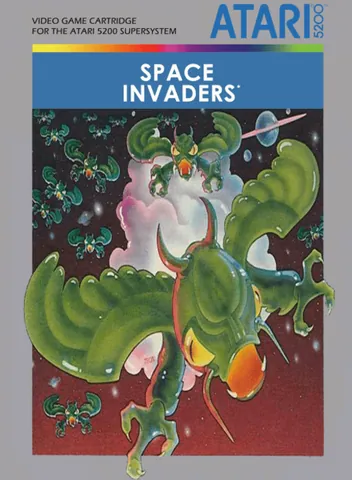
Games on this platform (41)
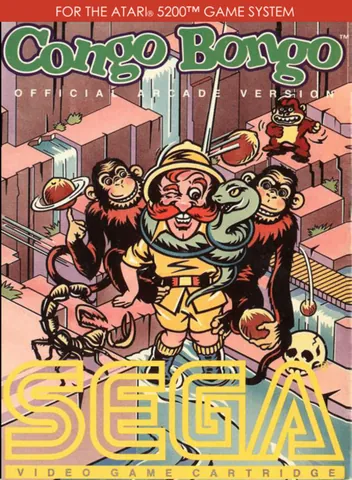
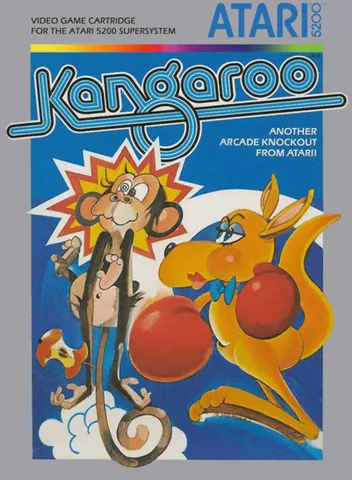
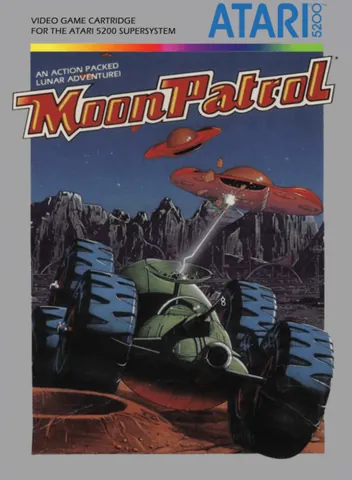
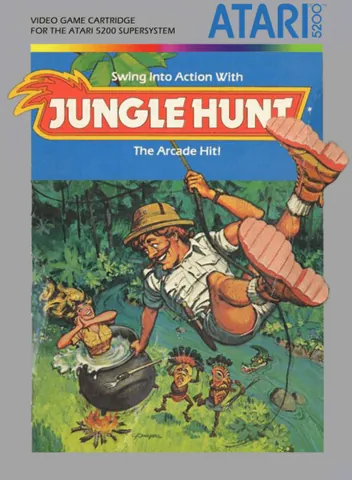


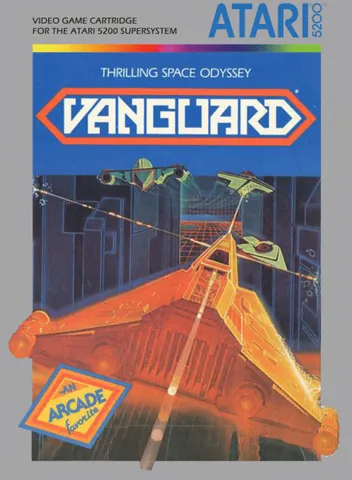
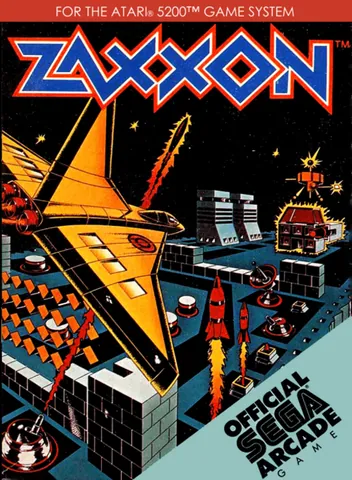
No game in this genre.