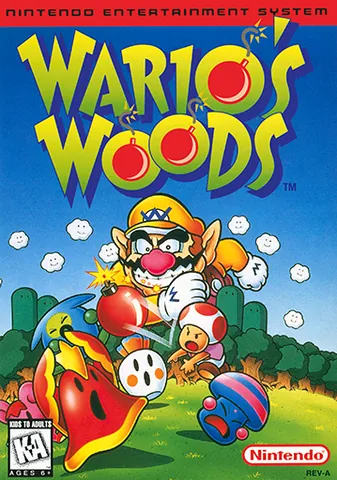
Wario's Woods
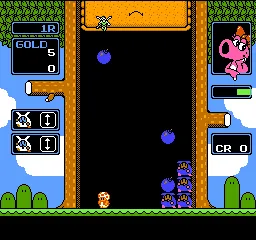
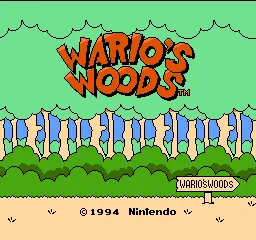
Wario's Woods holds one indisputable distinction: it is famous as the very last licensed game ever released for the NES in North America, in 1994 — long after its successor the SNES had already taken the throne. In its own right it feels like a charming farewell to an entire era.
Unlike most puzzle games, you do not stack or rotate blocks falling from above. Instead you directly control the character Toad, who moves around the playfield, picks up and shifts enemies and bombs, and lines them up so that the right combination destroys them. This action-driven, spatial perspective makes Wario's Woods an unconventional and refreshing entry in the genre.
The task is to clear the screen by joining enemies and explosives into rows and columns, while more critters keep dropping in from above. The blend of action-based movement and logical planning creates a pleasantly hectic rhythm — you have to think and react nimbly at the same time, a combination you won't meet in more static puzzlers.
And of course Wario is on hand as the antagonist, giving the game just the right playful, slightly mischievous atmosphere and the colourful presentation typical of Nintendo. It is a title that keeps an infectious energy and that „one more try“ pull.
Its historical context lends it a special charm: to play Wario's Woods today is to touch the last official moment of a famous console, the full stop after an era that defined home gaming.
Why play: For its unconventional action puzzling, where you yourself push enemies and bombs — and for its symbolic status as the very last licensed NES game in North America.
Game 26 of 120 for Nintendo NES
The same title elsewhere (1)
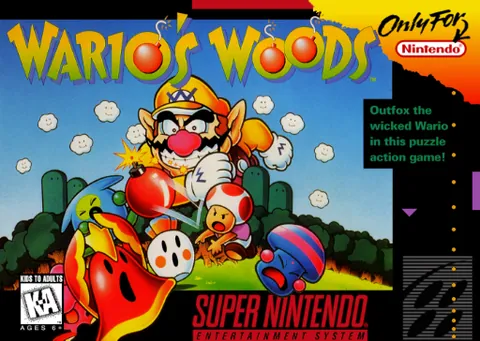
Both versions share the same idea of stacking and clearing monsters with Toad and a carrot, but technically they're different builds. The 1994 Nintendo NES version runs on older hardware, so it had to settle for a more modest color palette and simpler music — though it holds special historical value as the last officially licensed game released for the console in North America. The Super Nintendo version benefits from more powerful hardware instead: richer colors, smoother animation, and fuller sound. If you want the prettiest version, go SNES; collectors will still appreciate the NES release as a curiosity.
From the same series Wario →
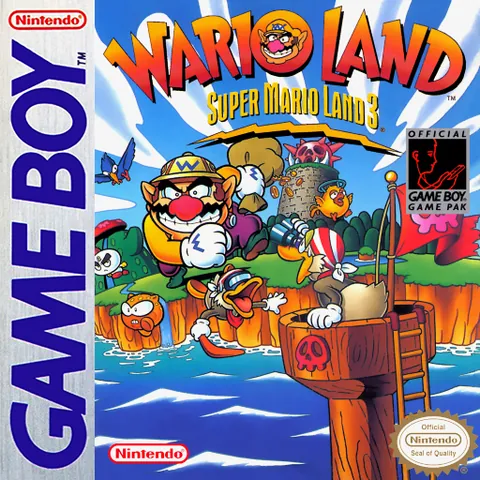 Wario Land: Super Mario Land 3 GB · 1994
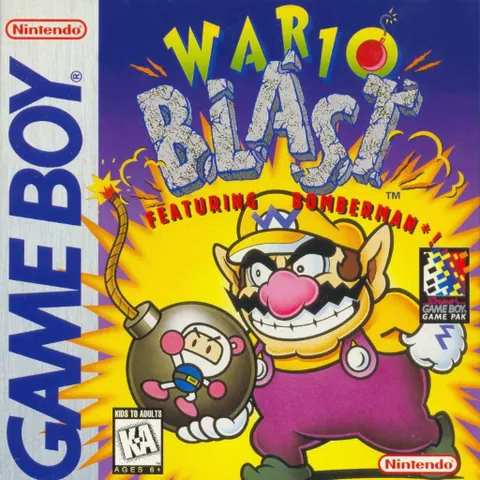 Wario Blast Featuring Bomberman! GB · 1994
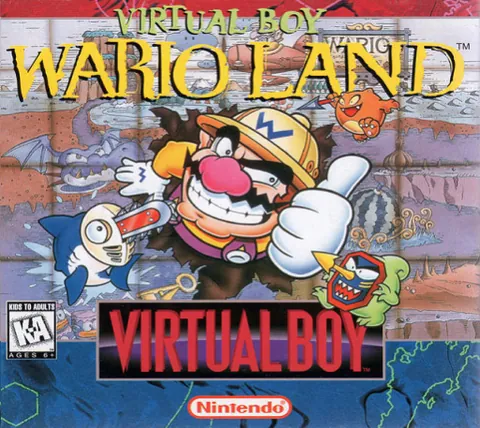 Virtual Boy Wario Land VB · 1995
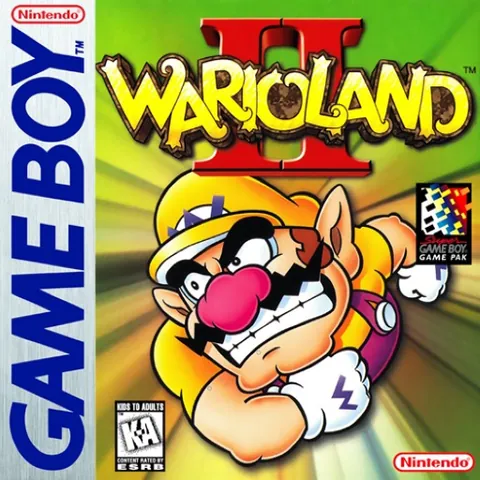 Wario Land II GB · GBC · 1998
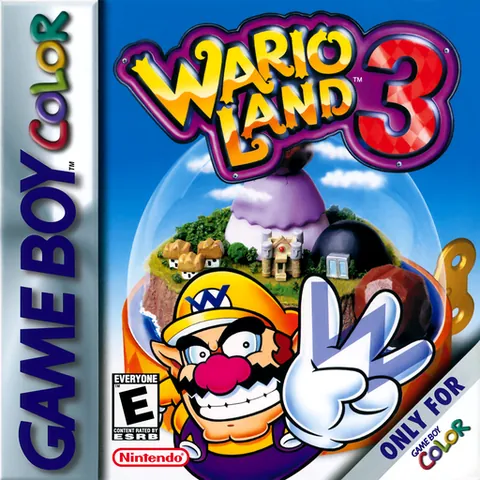 Wario Land 3 GBC · 2000
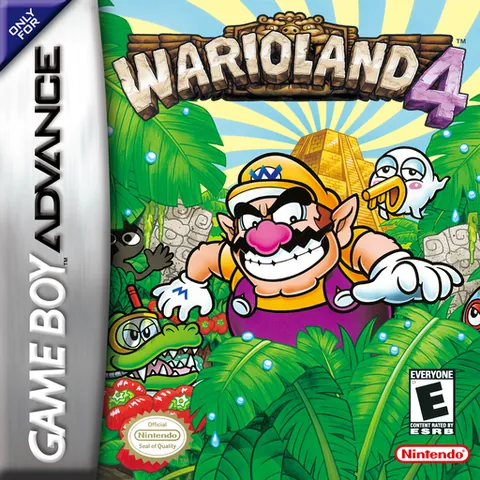 Wario Land 4 GBA · 2001
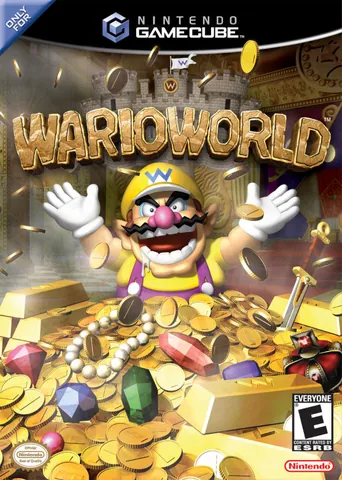 Wario World GCN · 2003
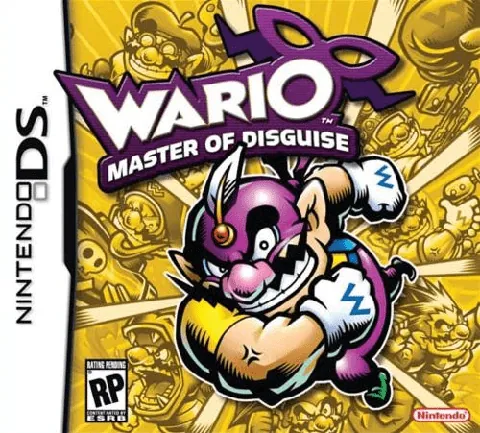 Wario: Master of Disguise DS · 2007
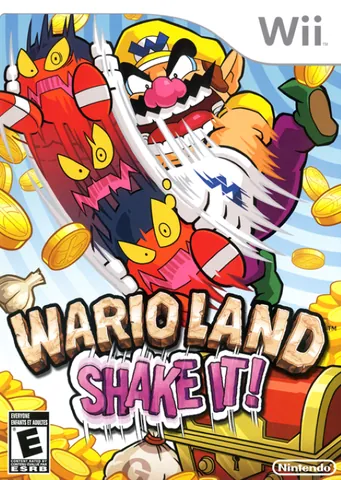 Wario Land: Shake It! Wii · 2008
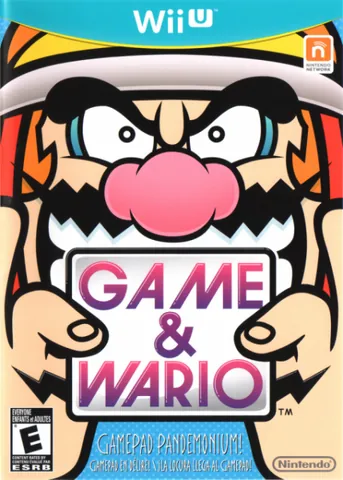 Game & Wario Wii U · 2013