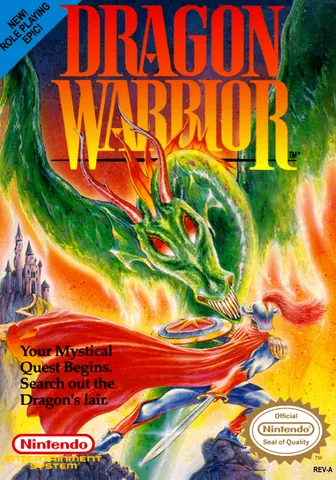
Dragon Warrior
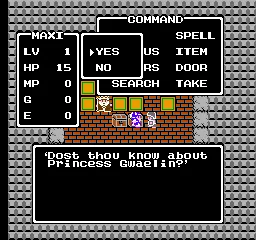
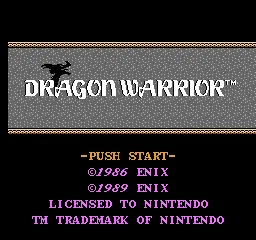
Before Japanese RPGs became a worldwide phenomenon, someone had to lay the foundation stone. Dragon Warrior, as the first Dragon Quest was called in the West, is precisely that stone. A game that defined the rules of the genre and whose DNA is still carried by hundreds of titles to this day.
The story is deliberately archetypal: you are the descendant of a legendary hero, and your task is to defeat the Dragonlord and rescue the princess. From today's perspective, the mechanics are austere, but in their day they were downright revolutionary. The game introduced a top-down view of the game world, turn-based battles with a single enemy shown from the player's perspective, the collecting of experience and gold, buying better equipment, and the gradual strengthening of the character. These building blocks became the template that the entire following generation of JRPGs followed.
For its time, it was a surprisingly accessible design. Free movement across the map, saving progress, and clear feedback about your growth gave the player a sense of a meaningful journey from a defenseless novice to a mighty hero. The battles were simple to grasp but forced you to think about managing hit points and magic, a principle JRPGs uphold to this day.
Dragon Quest originated at Chunsoft studio and was published by Enix in 1986 in Japan; it arrived on the American market under the name Dragon Warrior a few years later. A stellar lineup contributed to its birth: writer and designer Yuji Horii, the music was composed by Koichi Sugiyama, and the characteristic characters and creatures were designed by Akira Toriyama, author of the world-famous manga Dragon Ball. It was his signature hand, evident for instance in the adorable slimes, that gave the series an unmistakable face it still carries today.
The game's cultural significance in Japan is immeasurable. Dragon Quest became such a nationwide event there that every new installment is accompanied by crowds and queues, and the series has the status of a nearly sacred institution. It simplified and made accessible the previously more complex Western computer RPGs into a form that anyone could understand, thereby opening the genre to a broad mass audience, including younger players.
In the West the situation was different: Dragon Warrior arrived later and at first didn't achieve the same fame as at home. Nevertheless, it helped prepare the ground for the later JRPG boom, and its influence is undeniable. The series continues to this day and ranks among the longest-running and best-selling gaming brands of all. But it all began right here, with a modest yet groundbreaking adventure on the NES.
Why play it: To play the very origin of the entire JRPG genre and experience firsthand where the laws that govern thousands of games to this day were born.
Game 55 of 120 for Nintendo NES
From the same series Dragon Quest →
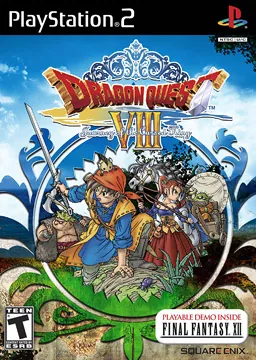 Dragon Quest VIII: Journey of the Cursed King 3DS · Mobil · PS2
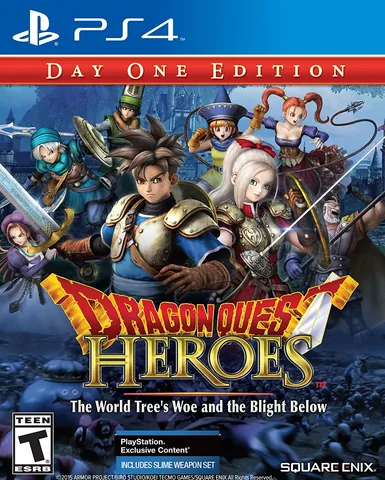 Dragon Quest Heroes: The World Tree's Woe and the Blight Below PS4
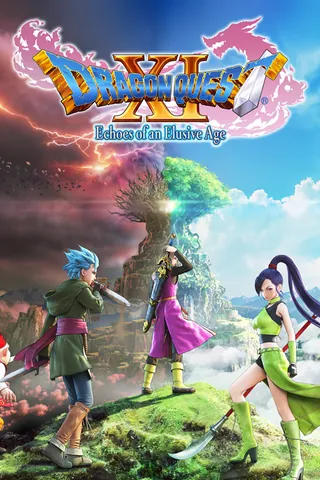 Dragon Quest XI: Echoes of an Elusive Age PC · PS4
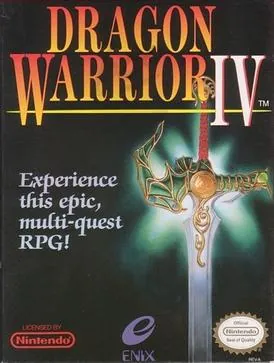 Dragon Quest IV: Chapters of the Chosen Mobil · DS
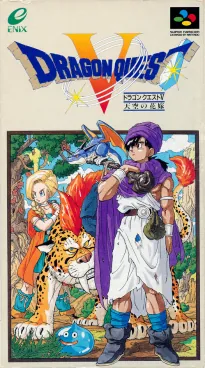 Dragon Quest V: Hand of the Heavenly Bride Mobil · DS
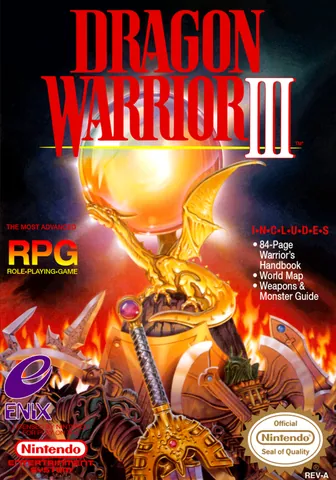 Dragon Warrior III / IV NES · 1988 / 1990 (JP) GB Dragon Quest Monsters GB · 1998
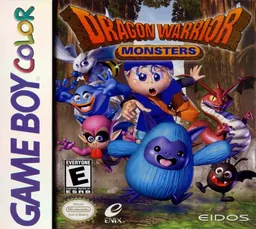 Dragon Warrior Monsters GBC · 1998
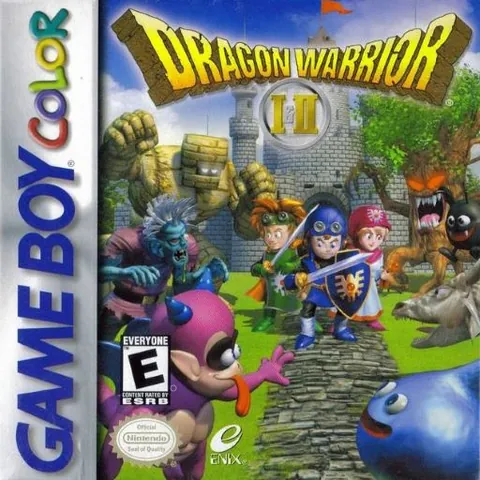 Dragon Warrior I & II / III GBC · 1999–2001 (GBC)
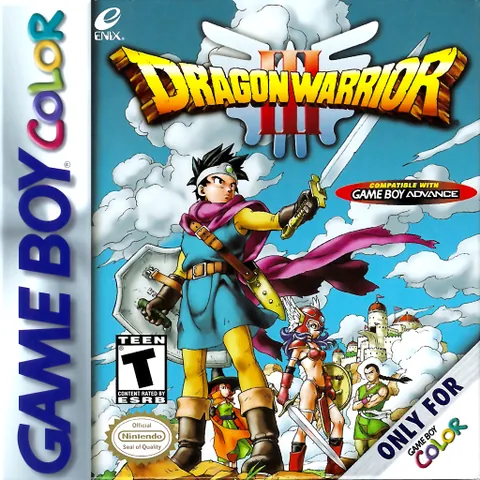 Dragon Warrior III GBC · 2000
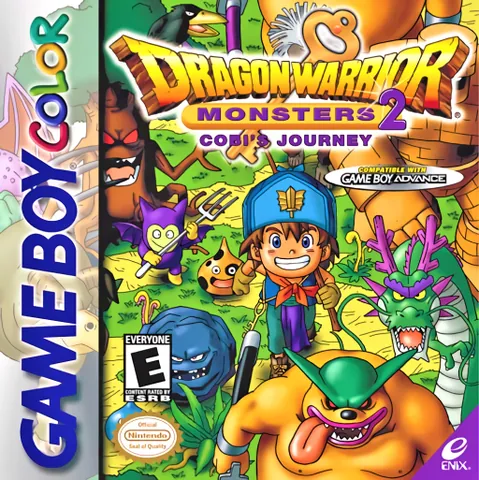 Dragon Warrior Monsters 2: Cobi's Journey GBC · 2001
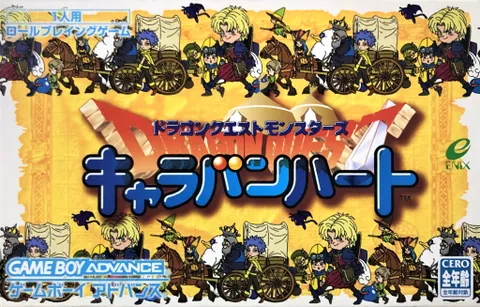 Dragon Quest Monsters: Caravan Heart GBA · 2003