Mega Man
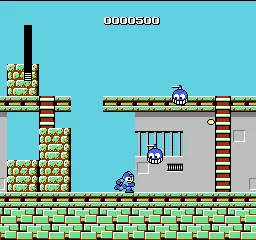
A blue robot in a helmet who can steal the abilities of the enemies he defeats. That's an idea so simple and brilliant at once that it grew into one of the most enduring gaming brands ever. And it all began right here, with the first installment of Mega Man on the NES.
The key mechanic remains iconic to this day: the game doesn't force you to progress linearly, but instead offers you a choice of several levels capped by a boss, a so-called Robot Master. After defeating him, you gain his weapon, which you can then use against other enemies. This creates a clever game of rock-paper-scissors, where discovering the right order of bosses is a puzzle in itself: each Robot Master is weak against someone else's weapon, and finding the optimal sequence is half the fun.
Added to this is an uncompromising but fair difficulty, precise jumping and shooting. After defeating all eight bosses comes a series of final fortresses belonging to Dr. Wily, Mega Man's eternal rival, where the game truly bares its teeth. Death never feels unjust; it's always your own fault, and that's exactly what makes overcoming the levels such a satisfying experience.
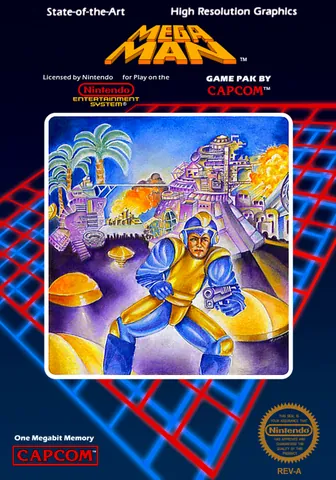
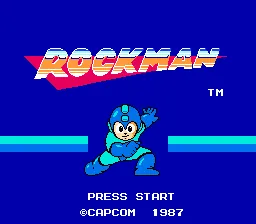
The game was created by Capcom and released in 1987. Behind its form stands a team led by Akira Kitamura and designer Keiji Inafune, who designed the final look of the character. In Japan the game bore the name Rockman; it received the name Mega Man only for the Western market, where it also became famous for the rather unfortunate box art of the American version, on which the main hero didn't resemble the game's robot at all and was clutching a pistol. This cover has today become a legendary target of jokes among fans.
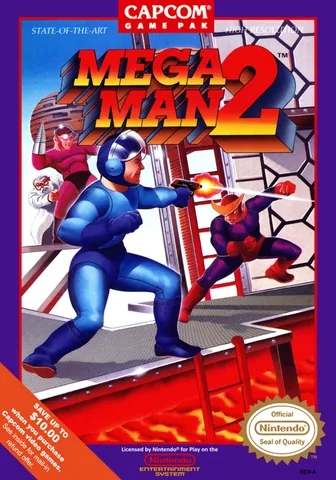
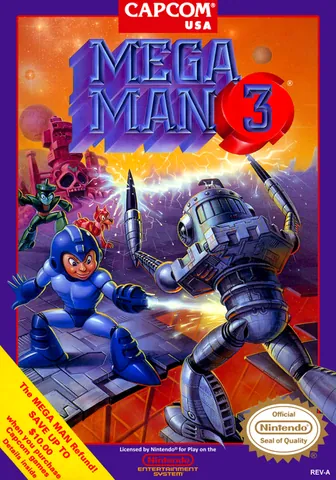
The first Mega Man wasn't a commercial hit at first, but it laid firm foundations. Critics praised its original structure and playability, and the title gradually built up cult status. Capcom was given the confidence to continue, and it was the following installments that turned this brand into one of the pillars of the eight-bit era. Later installments simplified and made some elements more accessible, but the core conceived here has remained untouched to this day.
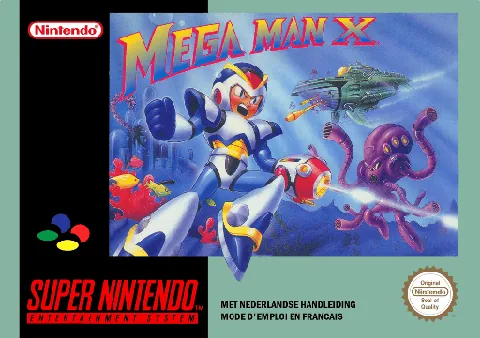
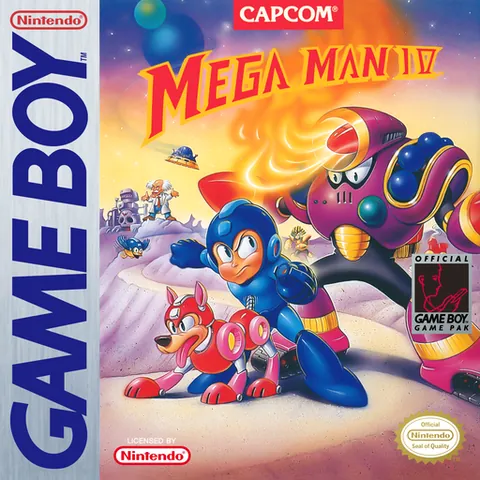
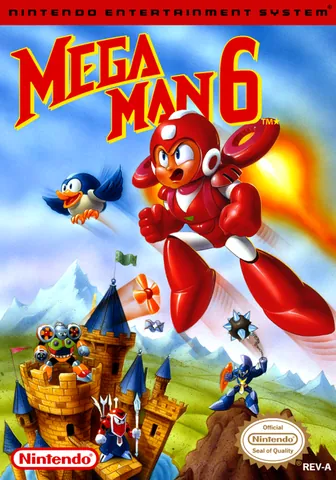
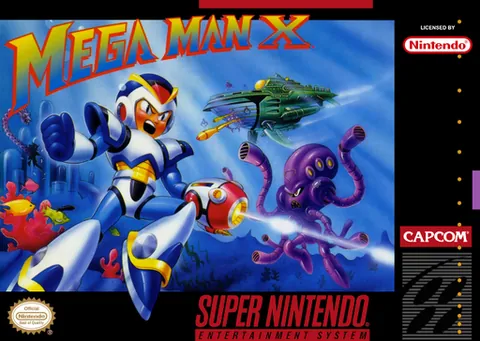
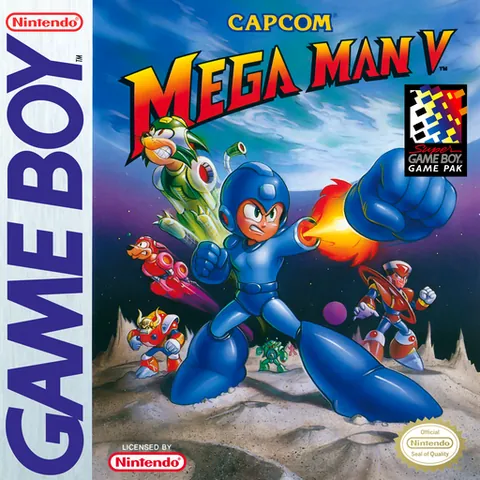
Culturally, Mega Man's significance is immeasurable. It defined an entire subgenre of action platformers, its chiptune music ranks among the best the NES sound chip offered, and the character itself became Capcom's mascot. The series expanded with dozens of installments and spin-offs like Mega Man X, Battle Network, and Zero, and the blue bomber even appears in crossovers across the gaming world, most recently in the fighting game Super Smash Bros.
Why play it: Experience the birth of a legend and try out the original system of stealing weapons from bosses that defined the entire action-platformer genre.
Game 50 of 120 for Nintendo NES