Game studio
Atari
Atari is one of the most legendary names in the history of video games — a brand that stood at the very birth of the gaming industry and became, for an entire generation, a synonym for the word „video game". For retro gamers, Atari is home to icons that defined how a game on a screen even looks and plays: from a simple bouncing ball through swarms of attacking centipedes to adrenaline-fueled races and tunnels of the future. It is a company that gave the world not only immortal arcade cabinets and the Atari 2600 home console, but also the handheld Lynx — and its logo with the jagged „Fuji" symbol still gives lovers of the classics goosebumps to this day.
History
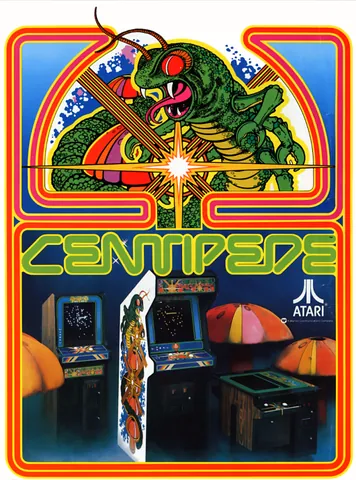
Atari was founded in 1972 in Sunnyvale, California, by Nolan Bushnell and Ted Dabney. The name comes from the Japanese board game go, where the term „atari" refers to a state similar to check in chess. The company kicked off the gaming revolution right away with its very first arcade cabinet, Pong (1972), whose simplicity and addictiveness launched an entire industry. In 1977 came a pivotal step — the Atari VCS home console, later renamed the Atari 2600. It brought video games into living rooms and became one of the most important consoles in history. Among its gems is the conversion of the arcade hit Centipede, in which the player fires at an endless centipede winding its way through a mushroom field — the pure essence of the golden age of arcade machines.
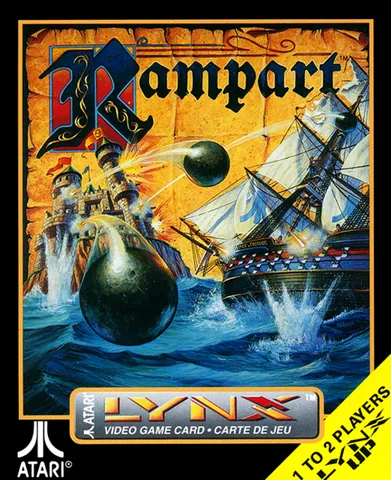
Atari also reigned over the arcade halls of the late 1970s and 1980s, where its division churned out one hit after another. After the famous crash of the gaming market in 1983, the company split up, and in 1984 it was bought by Jack Tramiel; thus Atari Corporation was born, while the arcade and development branch continued separately as Atari Games. It is from this era that many classics come, which later found excellent homes on the handheld Atari Lynx (1989) — the first color handheld with a backlit display. On the Lynx shone the wild combat race RoadBlasters, the dizzying pseudo-3D tunnel ride S.T.U.N. Runner, the brilliant „falling" puzzle game Klax with its unforgettable quips, the tactical artillery battle Rampart, and the action maze adventure Gauntlet: The Third Encounter.
Key figures
At the roots of the company stands Nolan Bushnell, a visionary and co-founder whom many consider the father of the commercial gaming industry, and alongside him Ted Dabney. Pong was technically brought to life by engineer Allan Alcorn, whose simple yet brilliant design set off an entire era.
Among the most notable creators are Dona Bailey and Ed Logg, authors of the Centipede cabinet — Bailey was one of the few women programmers of her time, and the game became famous partly for its popularity among female players. Ed Logg is one of the most prolific designers at Atari Games; he signed his name to, among other things, the Gauntlet phenomenon and other arcade legends. In the field of puzzle games, Dave Akers together with Mark Stephen Pierce stood out as the creators of Klax. It is also worth mentioning Jay Miles and the team around the Lynx hardware, which grew out of the ideas of people previously connected with the Amiga company.
Transformations and transfers
Few brands have gone through such a convoluted journey as Atari. After the company was split up in 1984, Atari Corporation (home computers and consoles like the Lynx and Jaguar) and Atari Games (arcade cabinets) existed in parallel, with the arcade branch after a time using the Tengen brand for the home market. Nolan Bushnell had meanwhile left the company back in the 1970s and later founded the Chuck E. Cheese chain and other ventures.
In 1996 Atari Corporation merged with the company JTS, which effectively meant the brand ceased to exist as an independent hardware player. Rights to the name traveled through Hasbro Interactive all the way to the French company Infogrames, which in 2003 renamed itself Atari in order to revive the famous brand. The arcade legacy (Atari Games) meanwhile passed through the hands of Time Warner and later transformed into Midway Games. Thus over the decades the famous logo changed owners like few other icons in gaming history.
The present
Atari still exists in 2026, albeit in a form very distant from the original Californian company. Today's Atari SA, headquartered in France, primarily tends to the brand's rich legacy: it releases retro compilations, revives old classics, and focuses on nostalgia. In recent years the company has deliberately been buying up rights to old titles and brands — it has acquired, among others, the publisher Night Dive Studios specializing in the rescue and remastering of old games, the rights to a number of classic computer series, and the Intellivision brand itself. It has also released the retro console Atari VCS and the popular „plug-and-play" machine Atari 2600+, which can run original cartridges.
Atari has thus transformed from a technological pioneer into a curator of its own legend — a company that does not hide its past but builds upon it. For retro gamers this is good news: thanks to it, classics like Centipede, Klax, or S.T.U.N. Runner remain alive and available to new generations, instead of gathering dust in a museum of gaming history.
Games by the studio (59)
-
-
-
-
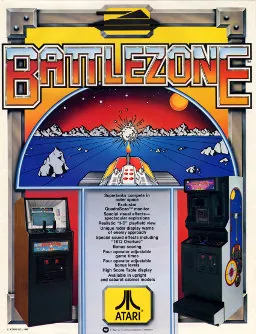
Battlezone · 1980
-
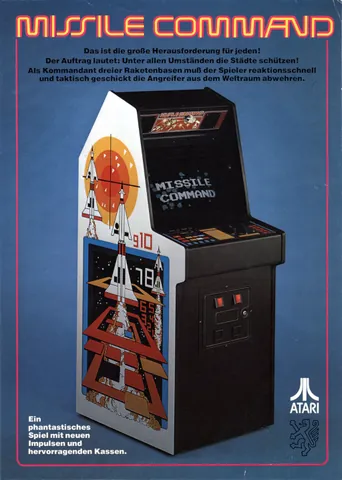
Missile Command · 1980
-
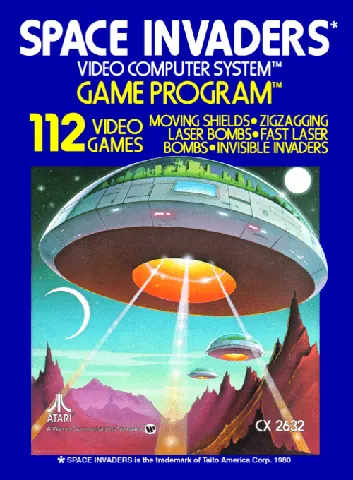
Space Invaders · 1980
-
-
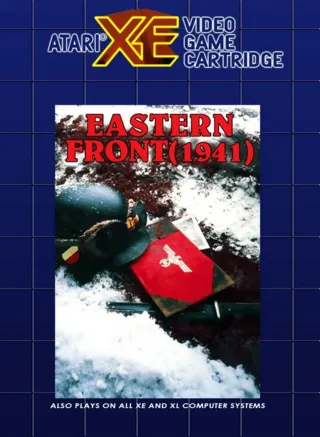
Eastern Front (1941) · 1981
-
-
-
-
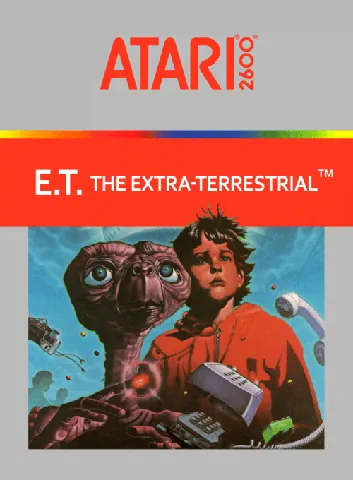
E.T. the Extra-Terrestrial · 1982
-
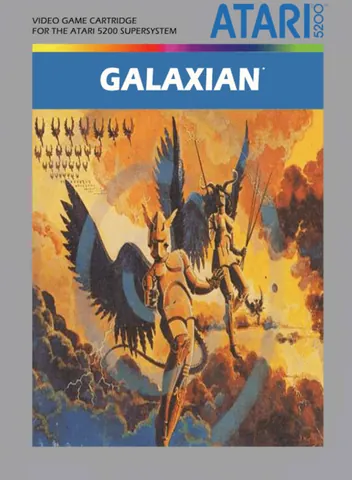
-
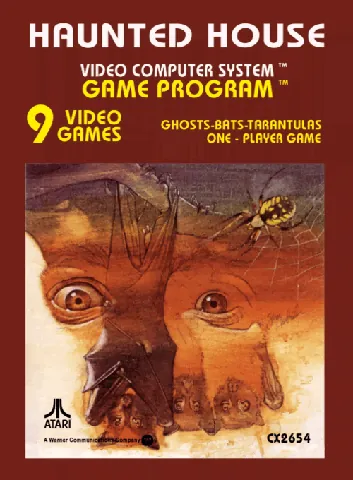
Haunted House · 1982
-
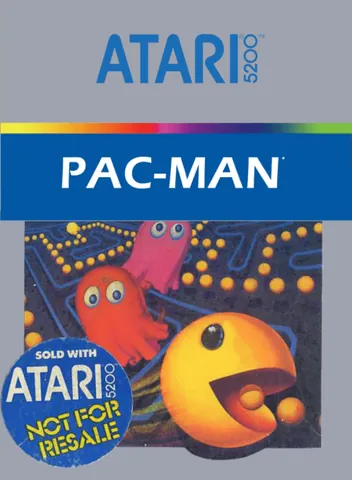
-
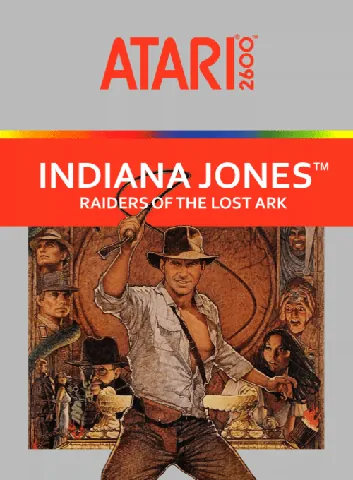
Raiders of the Lost Ark · 1982
-
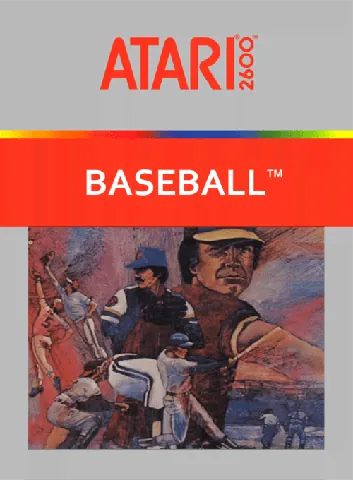
RealSports Baseball · 1982
-
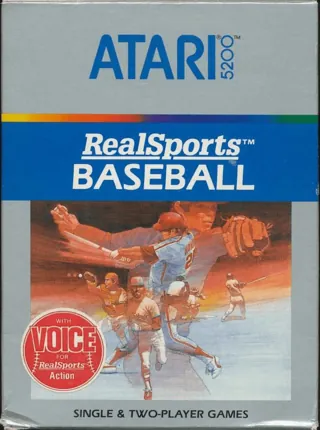
RealSports Football · 1982
-
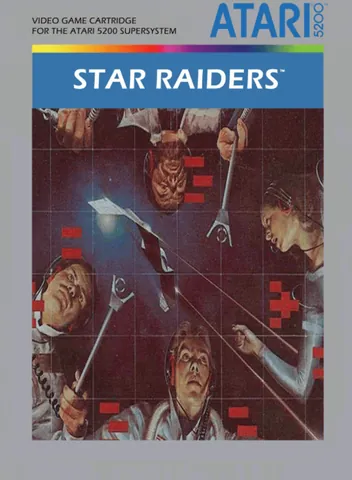
Star Raiders · 1982
-
-
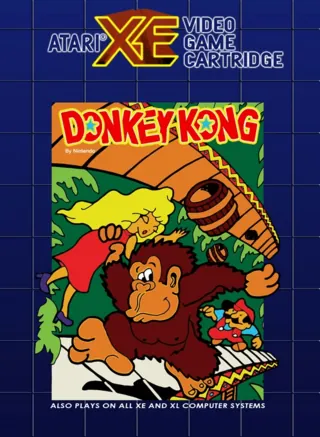
Donkey Kong · 1983
-
-
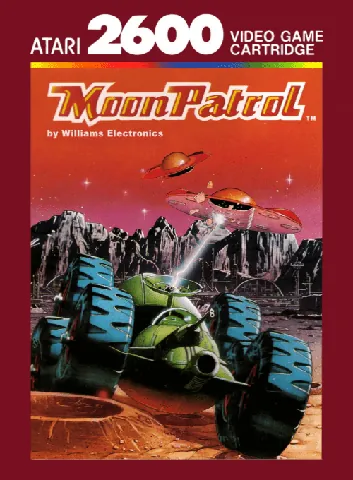
Moon Patrol · 1983
-
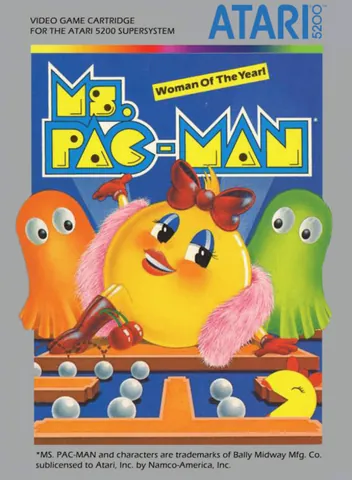
Ms. Pac-Man · 1983
-
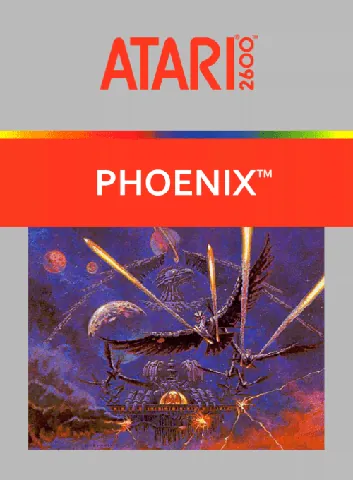
-
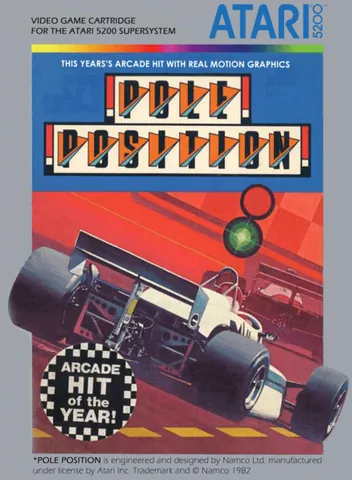
Pole Position · 1983
-

RealSports Soccer · 1983
-

RealSports Volleyball · 1983
-
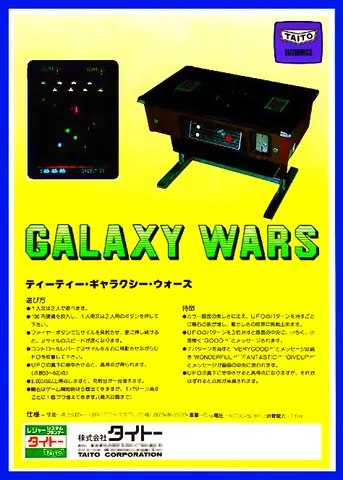
-
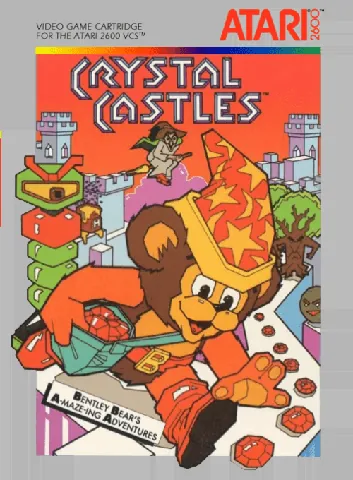
Crystal Castles · 1984
-
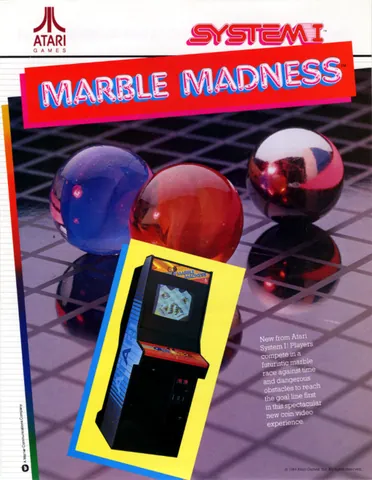
Marble Madness · 1984
-
-
-
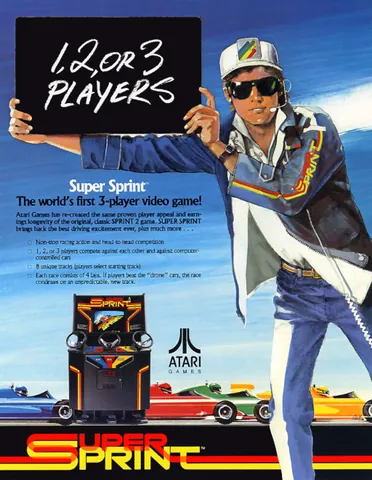
Super Sprint · 1986
-
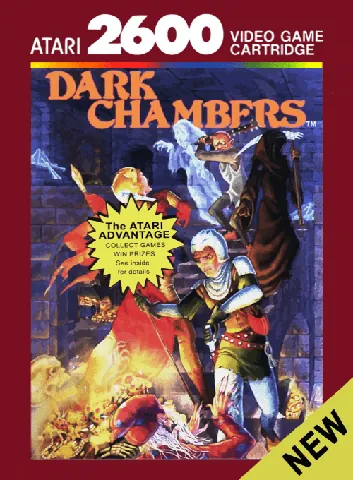
Dark Chambers · 1988
-
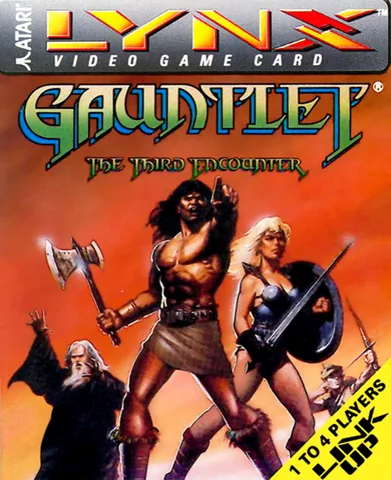
-
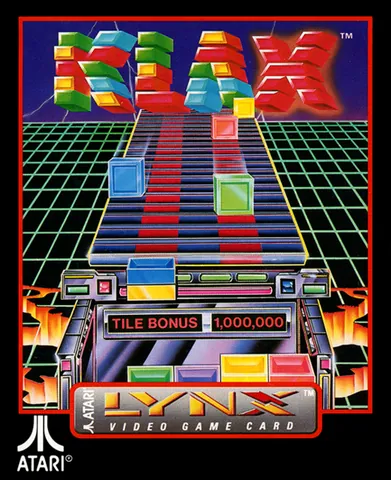
-
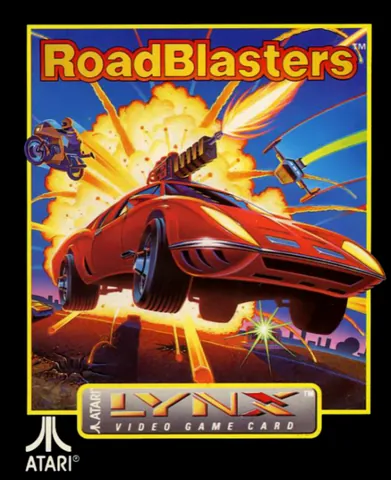
RoadBlasters · 1990
-
-
-
-
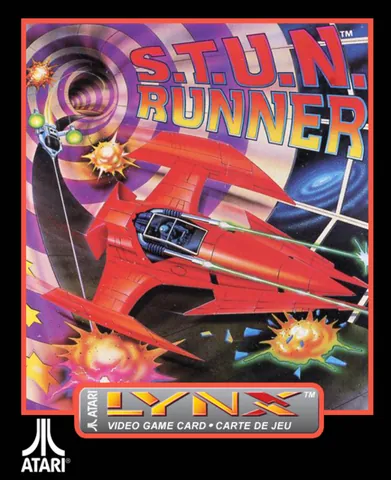
S.T.U.N. Runner · 1991
-
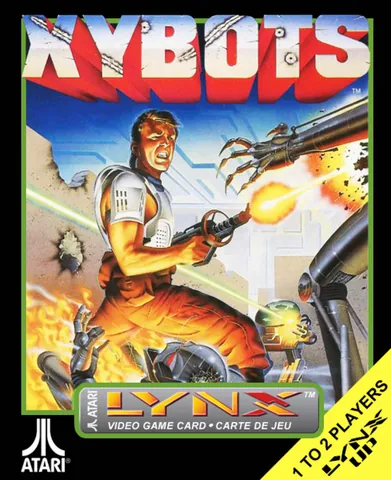
-
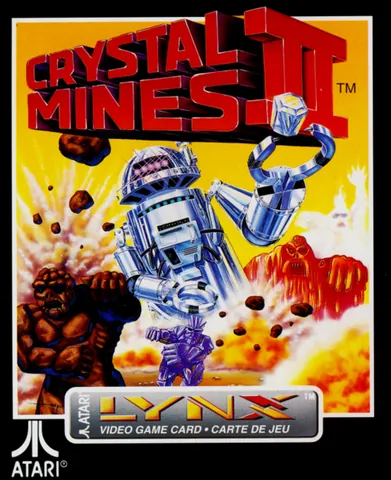
Crystal Mines II · 1992
-
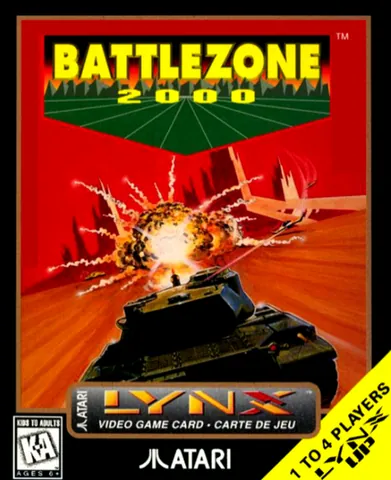
Battlezone 2000 · 1995