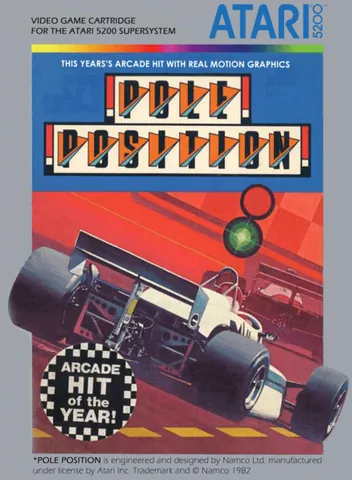
Pole Position
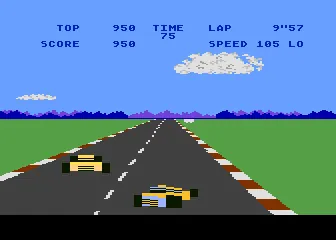
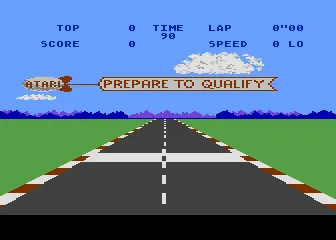
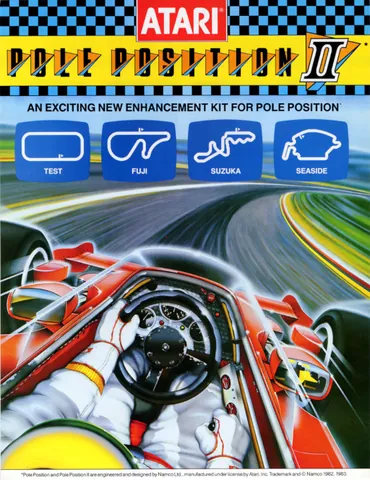
The roar of the engine, a qualifying lap, and then the start of a race where a field of rivals lines up behind you. Pole Position is a game that helped define the shape of racing arcade games, and its version for the Atari 5200 brought this sense of speed straight into living rooms.
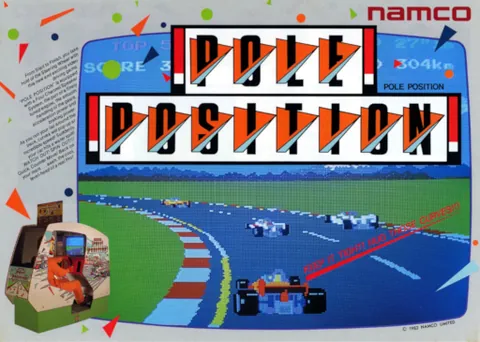
The gameplay is built on a rear view of your car as it hurtles along a winding track. First you complete a qualifying lap, which determines your starting position, and then you set off into the race itself, where you try to overtake rivals, avoid collisions, and make it through checkpoints before time runs out. The combination of speed, timing of corners, and the pressure of the passing clock made Pole Position a gripping experience.
Pole Position was created at the Japanese company Namco and joined the Atari brand in distribution. Its arcade version became one of the most popular racing games of its time and is often mentioned as the title that popularized a number of features of later racing games, including the qualifying lap as part of the gameplay. The track was inspired by a real racing circuit, which added to the game's believability.
Culturally, Pole Position symbolizes the boom of racing arcades in the early eighties. It became so well known that its name spread even outside the gaming world, and for many players it represented the first encounter with the feeling of driving a racing car on screen. The port to the Atari 5200 was among the titles meant to demonstrate the console's capabilities.
Even today Pole Position can convey the essential thing, namely the pure joy of speed and competition. It is a straightforward, easy-to-understand racing experience that draws you in with its pace even after decades.
Why play: Pole Position is one of the foundational cornerstones of racing arcades and still offers an adrenaline-fueled race for time and position that defined the entire genre.
Game 5 of 41 for Atari 5200
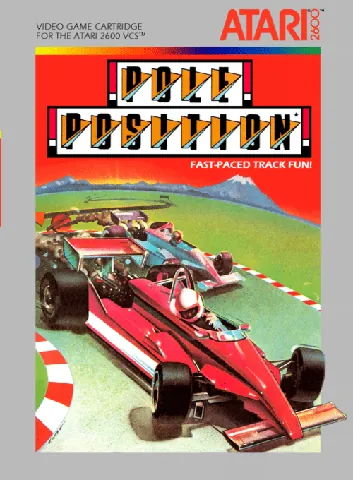
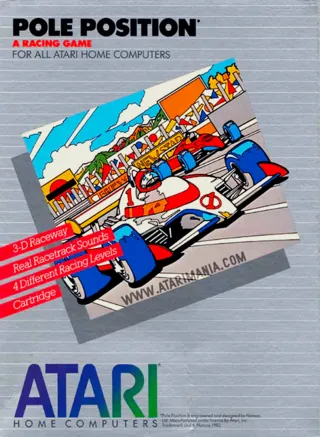
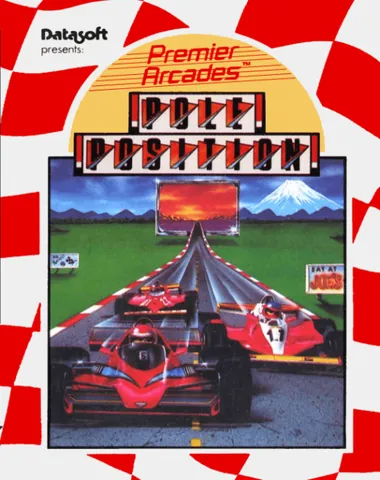
The same title elsewhere (4)
The Pole Position arcade cabinet ran on Atari's own custom graphics board and defined what cockpit-view racing should look like. The Atari 800 home computers and the Atari 5200 console shared a similar chip family with the arcade board (GTIA and POKEY), which makes their conversions among the more faithful ports of the era — capturing a similar sense of speed and engine sound, though with lower track resolution and simpler background graphics than in the arcades. Differences between the Atari 800 and 5200 versions are mostly cosmetic, since both draw on the same hardware family. For Pole Position at its best, go for the arcade cabinet; for a solid home experience, either Atari version delivers.