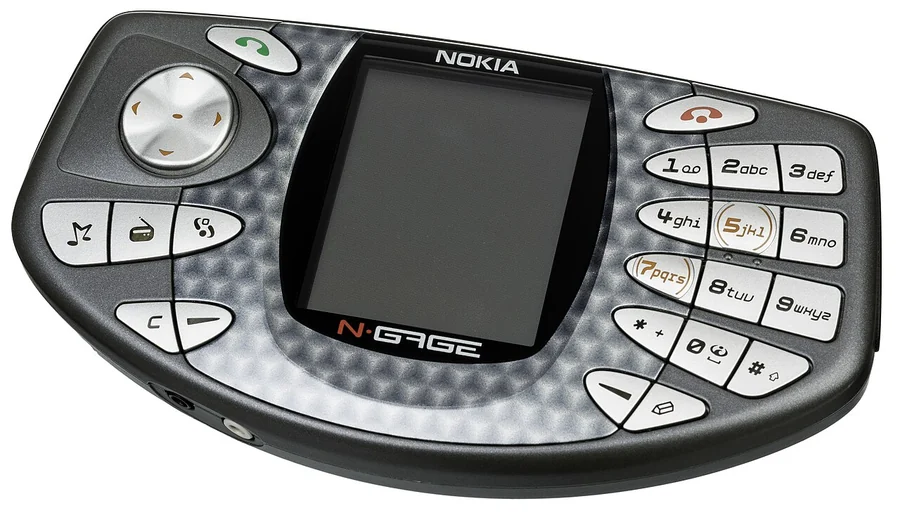
 Nokia, Siemens, Sony Ericsson · 2001
Mobile
Java a Symbian (telefony před smartphony)
History & context
Before smartphones arrived, people played games on their phones too — just in a completely different way. Seven years before the App Store, most people carried a device with a monochrome display, a numeric keypad, and one game everyone knew: Snake.
Nokia shipped it on the 6110 model in 1997 and, without anyone realizing it at the time, turned the phone into a gaming platform. The snake grew across the entire 84 × 48 pixel display, was controlled with four number keys, and came free on every device. Space Impact, Bounce, and Bantumi followed — games nobody bought yet tens of millions of people played.
Java as the first game store
Around 2001, Java ME (then J2ME) arrived, bringing a fundamental change: games could now be installed on a phone. Small programs called midlets were downloaded over WAP, sent via infrared or Bluetooth, or loaded from a computer via cable. A real market grew up around this — carriers charged for downloads, and publishers like Gameloft, EA Mobile, and Jamdat built entire studios just for this platform.
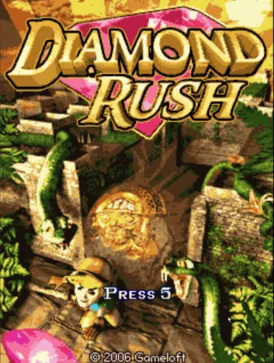
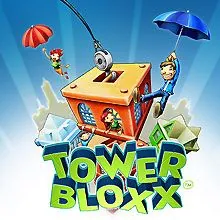
The constraints were drastic. An app had to fit into a few hundred kilobytes, the display was 128 × 128 pixels, control was via keypad, and every phone model behaved differently, so a single game shipped in dozens of versions. Yet surprisingly ambitious things emerged from this: id Software's Doom RPG was a full turn-based dungeon crawler, Gameloft's Diamond Rush a clever action-adventure, and Tower Bloxx an addictive game a modern phone could run unmodified.
Alongside Java ran Symbian, Nokia's smartphone operating system, which could do more and allowed native games too — and N-Gage, Nokia's attempt to turn the phone into a gaming console, which didn't succeed but is inseparable from this era.
Why it ended, and what was left behind
The end came fast. The iPhone in 2007 and the App Store a year later changed everything at once: a touchscreen instead of a keypad, one store instead of carrier portals, one device instead of hundreds of models. Java ME hung on for a few more years on budget phones, but as a gaming platform it vanished almost overnight.
Little survived. Games weren't sold on physical media, the stores closed, and licenses expired, so a large share of this output is unavailable today — more so than for any other platform on this site. What remains are mainly enthusiast archives and emulators like J2ME Loader for Android or KEmulator for PC, which can run the midlets.
For us this matters for two reasons. First, it's genuinely the first era of mobile gaming, ten years older than the one we cover on the site as Mobile — and without it, that later era wouldn't make sense. Second, it's a textbook example of how quickly a gaming platform can vanish when nobody holds a physical copy.
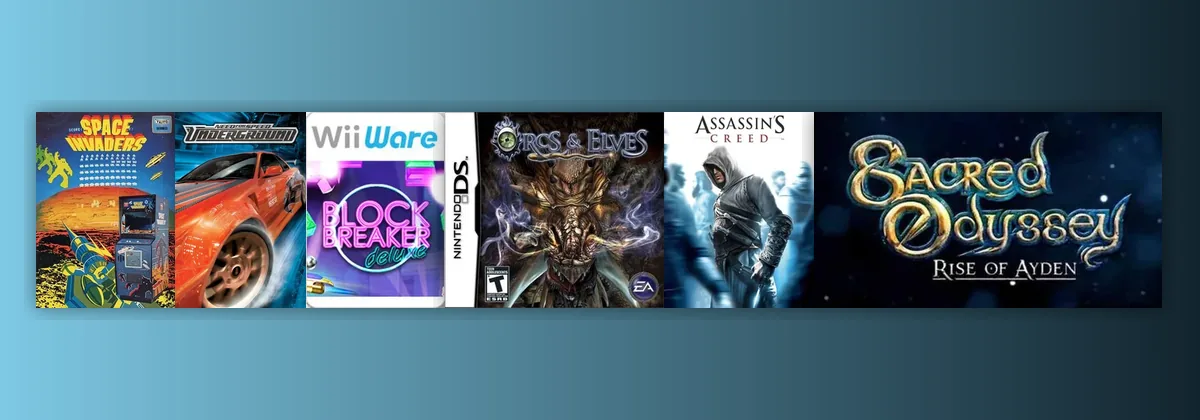
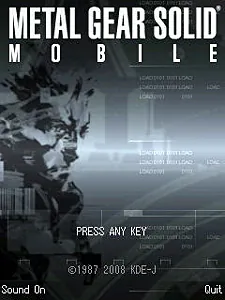
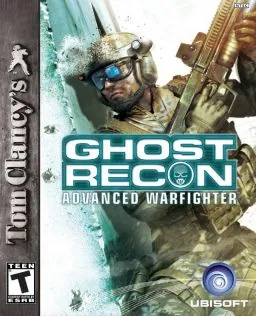
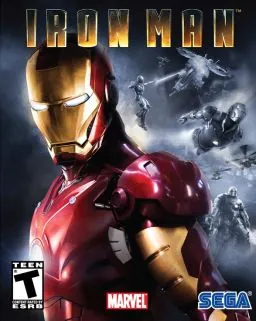
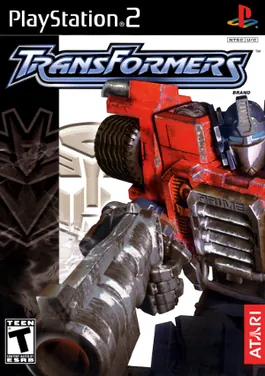
Games on this platform (69)







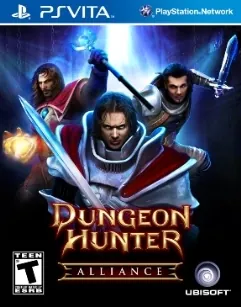
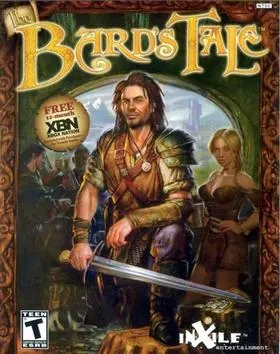
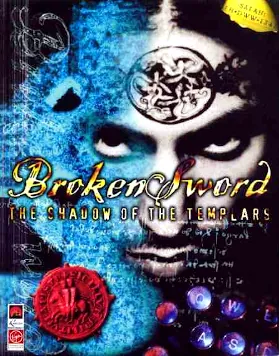
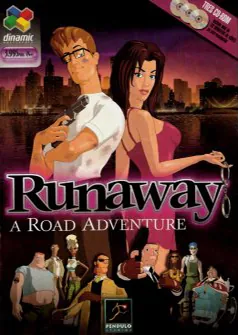


No game in this genre.