 SNK · 1990
Arcades
SNK Neo Geo
History & context
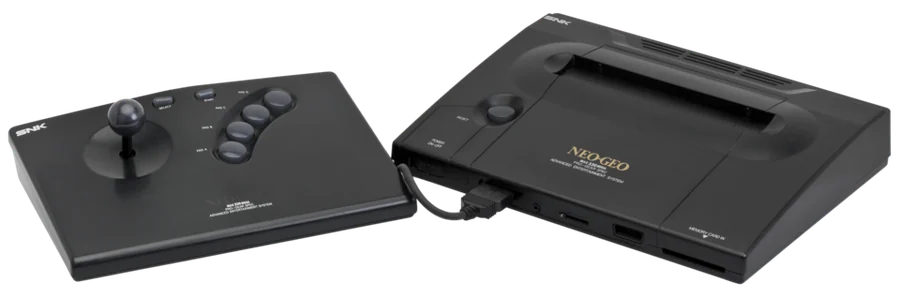
When SNK unveiled the Neo Geo in 1990, it was not an ordinary home console but a small miracle: literally an arcade machine brought into the living room. The system had two faces — the MVS (Multi Video System) arcade board intended for amusement arcades, and the AES (Advanced Entertainment System) home console. Both variants shared absolutely identical hardware, so a game that ran in the arcade looked exactly the same at home. At a time when home ports of arcade titles were usually cut-down compromises, this was an absolute sensation. But the Neo Geo came at a royal price as well: both the home system and the individual cartridges cost so much that it was a luxury item for enthusiasts with deep pockets. Even so, the Neo Geo built up a legendary status and stayed commercially alive for an incredibly long time — software for it was released officially until 2004.
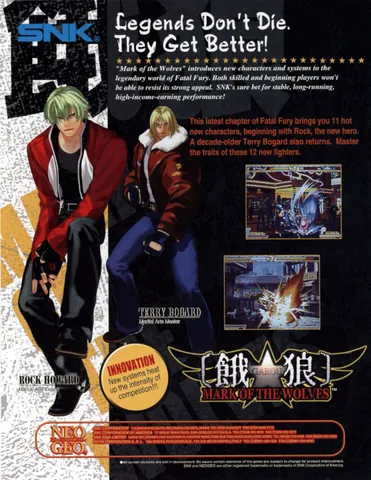
The strength of the Neo Geo did not lie in a technical revolution of the processor itself, but in the brutally oversized capabilities for 2D graphics and in the fact that SNK managed to keep the platform alive longer than any competitor. It became the home of iconic series that defined the genres of fighting games and run-and-gun action.
Technology: graphics and sound
The heart of the system is the 16-bit Motorola 68000 processor clocked at roughly 12 MHz, complemented by a Zilog Z80 as a sound coprocessor. For its time, the Neo Geo stood out with its extreme emphasis on sprites. The hardware could display a huge number of large, detailed animated characters at once, which made fighting and action games feel far smoother and "beefier" than on ordinary home consoles.
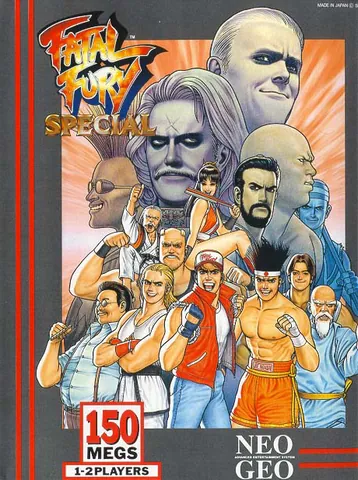
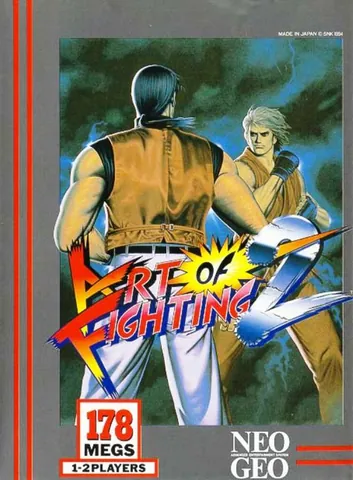
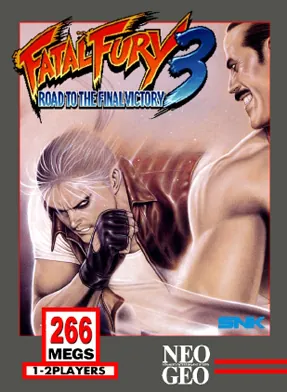
The screen resolution was 320×224 pixels. The color palette was key: the system had a palette of 65,536 colors, of which it could display roughly 4,096 colors on screen at once. This gave the graphics a characteristically rich, cartoon-like look. Sprites could also be scaled and deformed, which authors used for zoom-in and "zooming" effects in fighting games such as Art of Fighting or Fatal Fury.
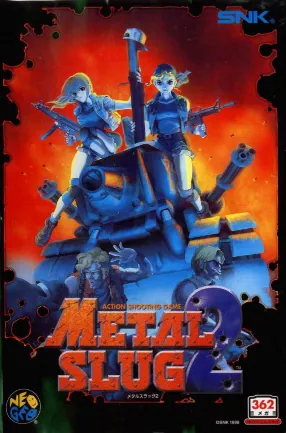
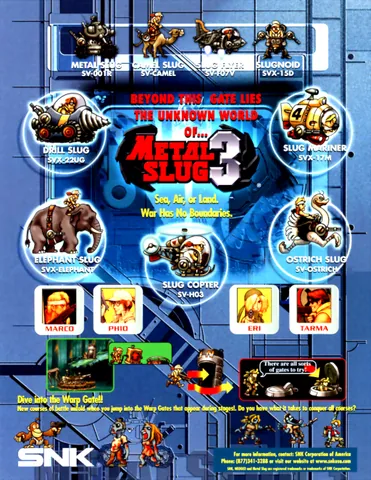
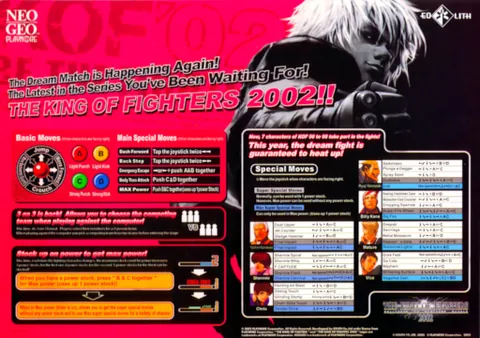
Sound was handled by the renowned Yamaha YM2610 chip. It combined FM synthesis with the playback of sampled (ADPCM) sounds and had several channels at its disposal — the result was unforgettable soundtracks and loud, dramatic digitized voices. It was precisely the audio side that significantly contributed to the arcade atmosphere of games like Metal Slug or The King of Fighters '98.
Connectivity and peripherals
The home AES used massive cartridges — the largest and most expensive game modules of their era, capable of holding enormous amounts of data, which enabled that rich graphics and sound. The console had two controller ports and shipped with the legendary large joystick with microswitches, which replicated the feel of the arcade machine.
An important peripheral was the Memory Card. It was one of the first systems to introduce this concept: a player could save their progress onto a card, take it with them to the arcade, insert it into an MVS machine running the same game, and continue where they had left off at home. This link between home and arcade was exceptional for its time. SNK later also released a CD variant with its own optical drive (see below).
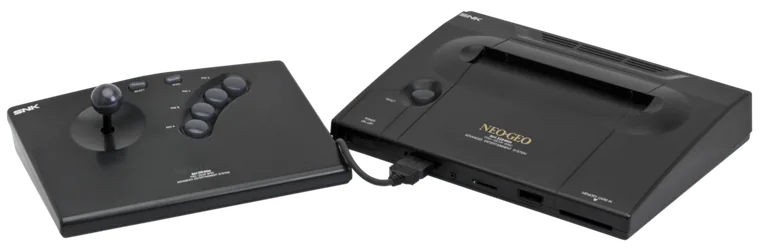
The basic division is formed by the already-mentioned MVS (arcade machines, often with multiple cartridge slots — versions for 1, 2, 4 and 6 games) and the home AES. The AES was sold in various regional variants.
Alongside the costly cartridge-based AES, in 1994 SNK introduced the cheaper Neo Geo CD, which stored games on ordinary CDs. This dramatically lowered the price of the media, but at the cost of slow loading and limited memory, so some games had to be modified. There were also revisions of the CD unit, including the faster Neo Geo CDZ aimed primarily at the Japanese market.
Much later, in 1998, came the handheld console Neo Geo Pocket and shortly afterwards the color Neo Geo Pocket Color — but that was already a standalone handheld, not a miniature of the big system.
Clones and variants
Given the high price and the closed nature of the hardware, "classic" cheap Neo Geo clones did not spread as they did with 8-bit machines. The scene, however, long dealt with pirate and unofficial cartridges (especially converters between the MVS and AES formats and copies of games), which were very widespread in the community.
In modern times, SNK itself released an official miniature retro variant — the Neo Geo Mini (2018), a compact device in the form of a miniature arcade cabinet with a built-in collection of games and a small screen, plus official controllers styled to resemble the original arcade stick.
Today's scene
The Neo Geo is among the best-documented and best-emulated platforms of all. Both MVS and AES games are faithfully run by, for example, MAME and specialized emulators such as FinalBurn Neo, so the entire library is available even on weaker devices and handhelds. Moreover, SNK actively re-sells its classics — the ACA Neo Geo collections are released on modern consoles and PC and make individual titles accessible in an authentic form, complete with online leaderboards.
The homebrew community also remains alive, creating entirely new games and demos for the Neo Geo, often distributed even on real cartridges. Together with emulation and official re-releases, the platform whose software was created over more than fourteen years thus remains alive even more than three decades after its launch.
Games on this platform (35)
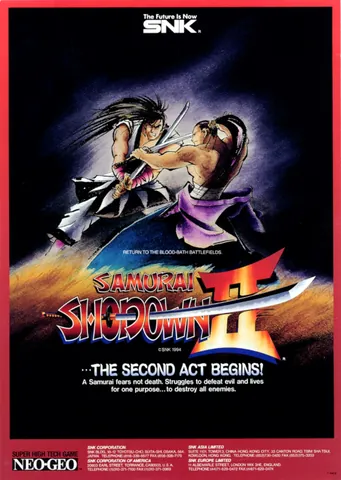
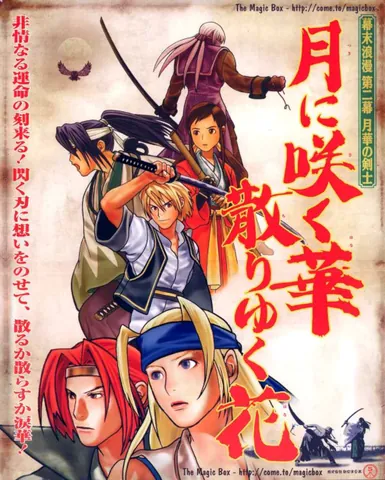
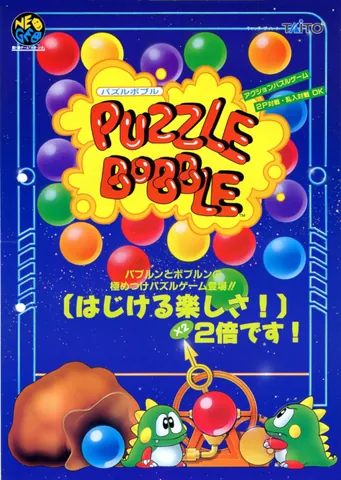
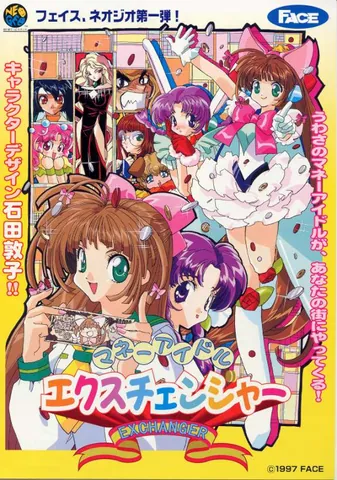
No game in this genre.