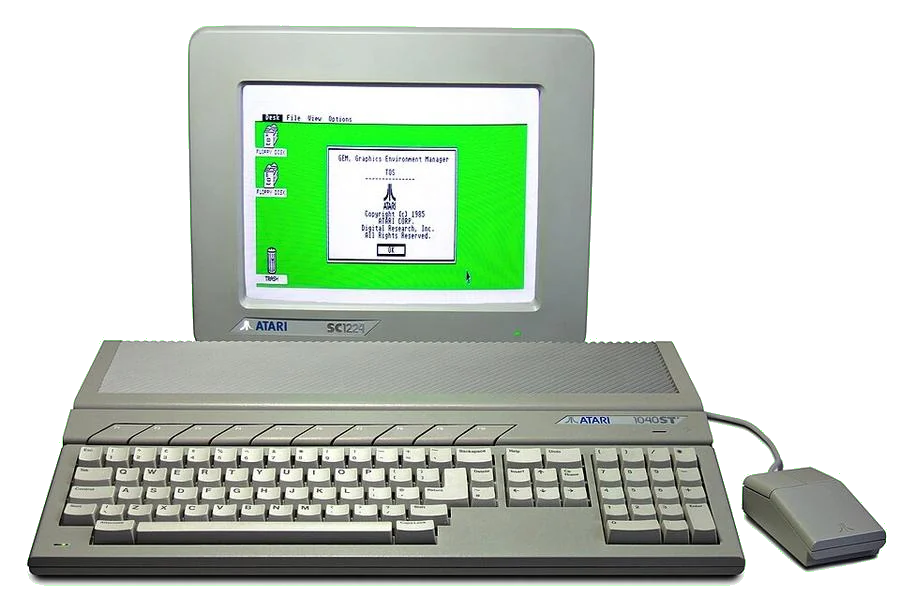
 Atari · 1985
Computers
Atari ST
History & context
When Atari launched the ST range in the mid-1980s, a machine entered the fray that immediately shifted the balance of power among home computers. Under the leadership of Jack Tramiel, who came to Atari after leaving Commodore, a computer was born built around a powerful sixteen-bit processor, yet at a price an ordinary household could afford. The 520ST model appeared in 1985, and according to the interpretation of the day the abbreviation ST referred to "Sixteen/Thirty-two" — the Motorola 68000 processor, which worked with a sixteen-bit data bus and an internal thirty-two-bit architecture.
The Atari ST quickly became an icon of two worlds. In homes it served for games and drawing, while in the professional environment it became an unrivalled tool for musicians. It was the ST that opened the way to affordable computer music, and its legacy in recording studios outlived the brand itself by many years.
Technology: graphics and sound
At the heart of the computer was the Motorola 68000 processor clocked at 8 MHz. Graphics were handled by the Shifter chip working together with the MMU controller and video logic. The ST offered three graphics modes: low resolution 320×200 pixels with 16 colours, medium resolution 640×200 with 4 colours and high monochrome 640×400, which required a special monochrome monitor and ran at a higher refresh rate so the image did not flicker — this made the ST a pleasant machine for working with text and DTP.
The colour palette was derived from the basic 512 colours (three bits per RGB component). Unlike the competing Amiga, the ST lacked a dedicated blitter in its base version and had no hardware sprites, so the processor had to handle object movement and scrolling. This long disadvantaged the ST in arcade games, but programmers gradually refined tricks that squeezed the maximum out of the 68000.
Sound was handled by the three-channel Yamaha YM2149 chip (a variant of the General Instrument AY-3-8910), capable of three square-wave voices plus a noise generator. That was enough for games, but the ST's real strength was something else: the built-in MIDI ports.
Connectivity and peripherals
The ST's connector complement was exceptionally rich for its time. As standard it had two MIDI ports (In and Out/Thru) right on the motherboard — no other home computer of the period had them integrated. Thanks to this the ST became the heart of countless music studios, and software such as Cubase or Notator was created here or scored its first successes.
The computer also offered a serial and a parallel port, a port for the floppy drive, a DMA interface for hard disks, two ports for joysticks and a mouse (the ST came with a mouse as standard) and an RF/monitor output. The floppy drive used 3.5-inch disks, at first single-sided 360 KB, later double-sided 720 KB.
Models and revisions
The first 520ST shipped with an external floppy drive and the TOS operating system on a floppy. Soon came the 520ST+ and, above all, the 520STFM (1986), which integrated the floppy drive, the modulator (FM = Floppy + Modulator) and TOS directly in ROM. The 1040STF/STFM version doubled the memory to 1 MB and became the most widespread model.
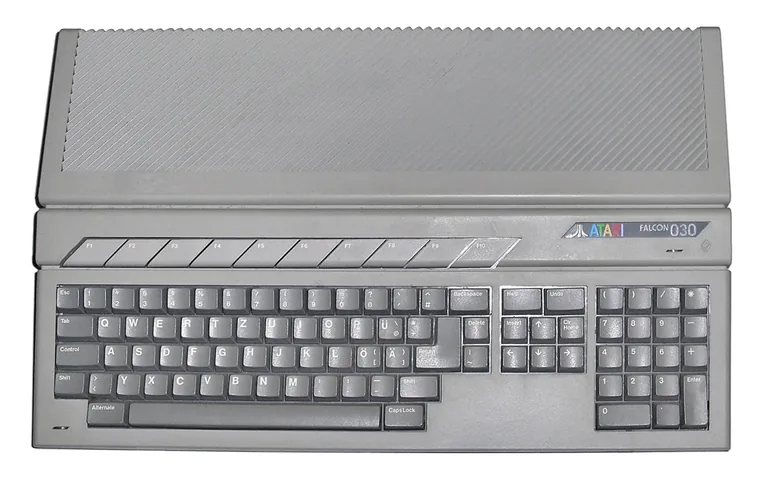
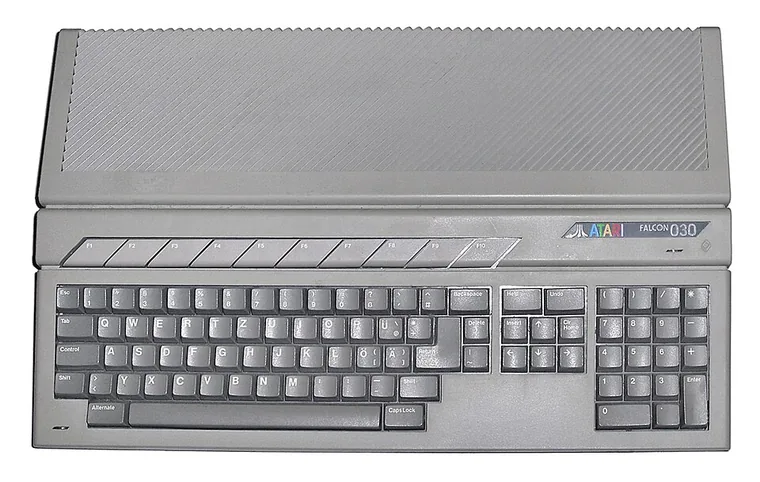
For musicians and professionals the Mega ST was created, in a separate flat chassis with a detached keyboard and an optional blitter. The later STE (1989) brought fundamental improvements: a hardware blitter, 4096 colours in the palette, hardware scrolling and stereo 8-bit DMA sound channels. The pinnacle of the range was the more powerful Mega STE and the completely redesigned Atari Falcon030 (1992) with a 68030 processor and a Motorola DSP56001 signal processor, which, however, already came too late.
Clones and variants
Direct clones of the Atari ST practically never appeared — the architecture around TOS and its custom chips could not be imitated as easily as with the simpler eight-bits. There were, however, professional add-ons and turbo cards from third parties, and in the segment of TOS replacements the alternative operating system MagiC.
In Czechoslovakia the ST spread less than the eight-bit computers because of its high price and the technology embargo. While the ZX Spectrum had its domestic clone in the form of the Didaktik and eight-bit Ataris flowed in in large numbers, the sixteen-bit ST belonged rather to the dreamed-of imports for enthusiasts and musicians who appreciated its MIDI capabilities. The ST's true domain was Western Europe, especially Germany, where it also established itself in offices.
Today's scene
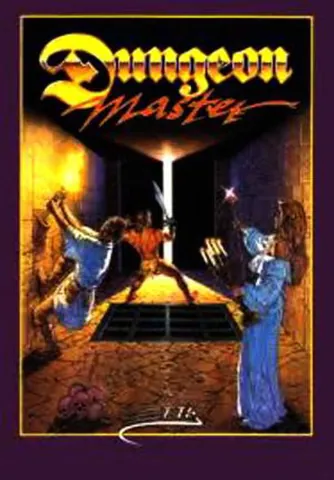
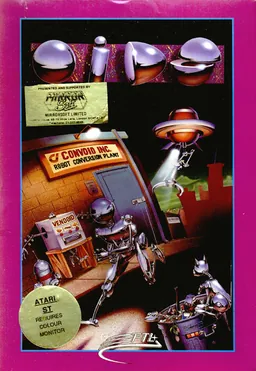
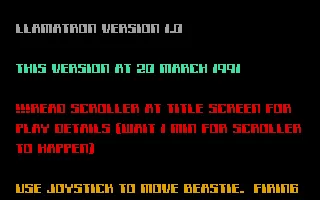
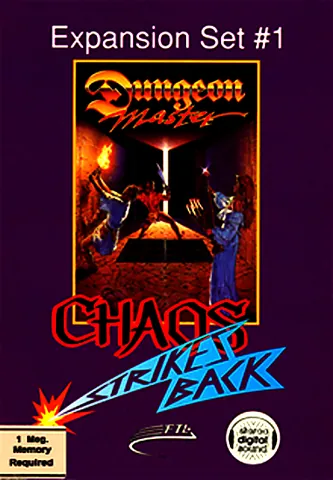
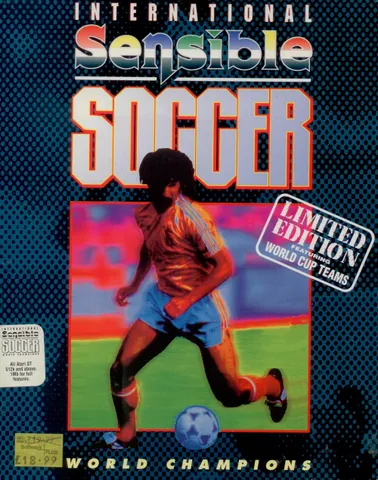
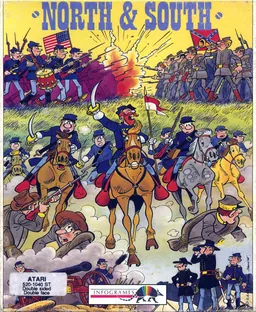
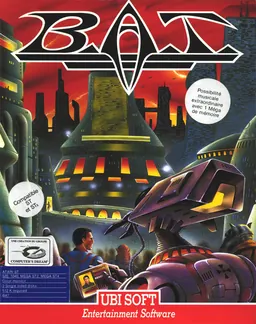
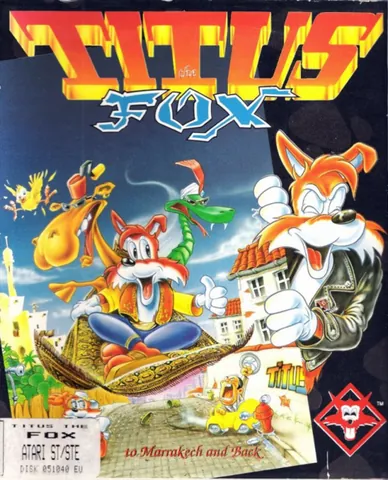
The Atari ST lives on thanks to advanced emulators. Among the most popular are Hatari (built on accurate hardware emulation) and Steem SSE, both of which can run period software and games from floppy disk images. The community around the ST remains active: new games are being made, demos on the demoscene, and hardware expansion cards such as UltraSatan or solutions that replace the floppy drive with flash memory. Classics like Dungeon Master — which on the ST became one of the best-selling titles of all — or the distinctive Llamatron and Oids by Jeff Minter still find their players today. The Atari ST thus remains not only a museum exhibit but a living platform with its own devoted scene.
Games on this platform (72)



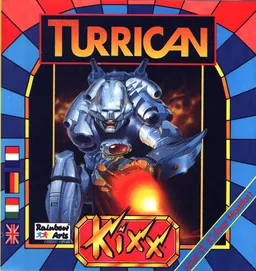
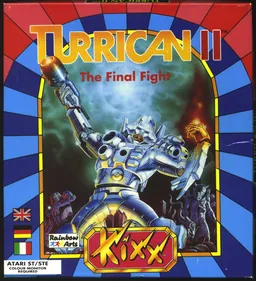
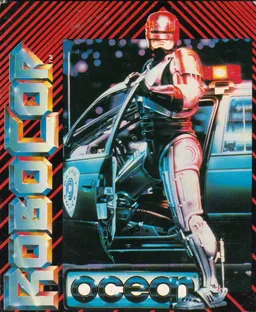
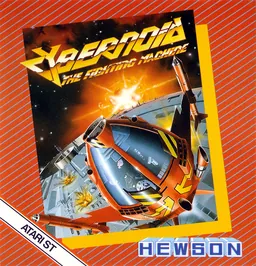


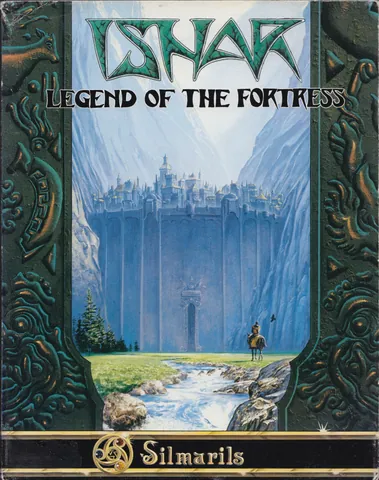
No game in this genre.