Prince of Persia
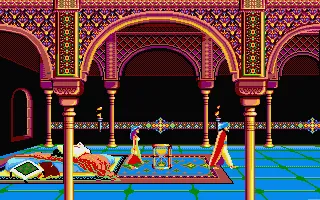
The character takes a run-up, jumps across a chasm and grabs the edge of a ledge with a fluidity no one had seen at the time. Prince of Persia, released in 1989, brought to the Atari ST a cinematic platformer that, thanks to the technique of rotoscoping, raised the bar of animation in games to an entirely new level.
The game principle combines agility with deliberation. You control a nameless young man who has a mere hour to fight his way through the dungeons and the tower of the palace, rescue the princess from the hands of the evil vizier Jaffar and defeat him. Progress consists of precise jumps, climbing, avoiding deadly traps in the form of spikes and collapsing floor plates, and sabre duels in which the timing of attacks and blocks matters. The time limit gives the whole adventure a tension that was not customary in platformers at the time.
The game was created by Jordan Mechner, who had already broken through with the title Karateka. For Prince of Persia he filmed the movements of his brother and transferred them into the game using rotoscoping, thereby achieving unprecedentedly realistic and fluid animation of the character. This work made the game both a technical and an artistic milestone. The conversion for the Atari ST was among the platforms where the game excelled and spread the reputation of Mechner's work among European players.
The cultural significance of Prince of Persia is fundamental. The game became a model for the entire genre of cinematic platformers and inspired titles such as Flashback or the later Another World. The brand later came back to life in 2003 with the three-dimensional game Prince of Persia: The Sands of Time, which turned the series into one of the most successful brands of the Ubisoft studio, and it also saw a film adaptation.
Today Prince of Persia is recognised as one of the most important titles of the late 1980s, which showed that games could offer cinematic fluidity and storytelling. For every lover of gaming history it is an essential classic.
Why play: For the pioneering rotoscope animation and a thrilling cinematic platformer that defined an entire genre.
Game 13 of 72 for Atari ST
The same title elsewhere (7)
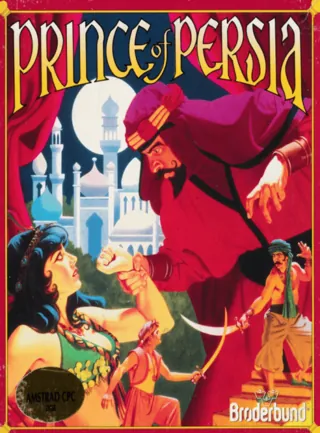
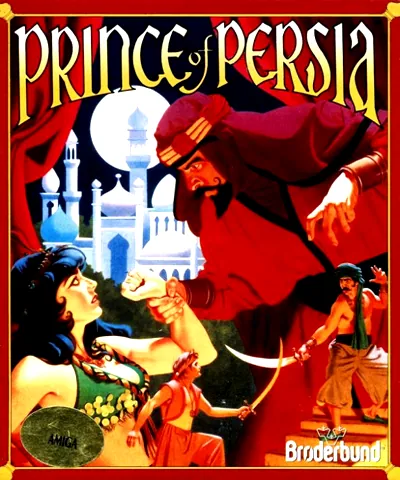
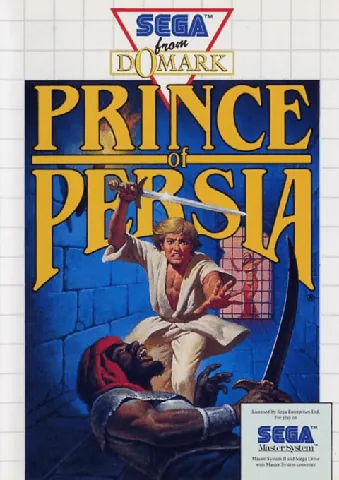
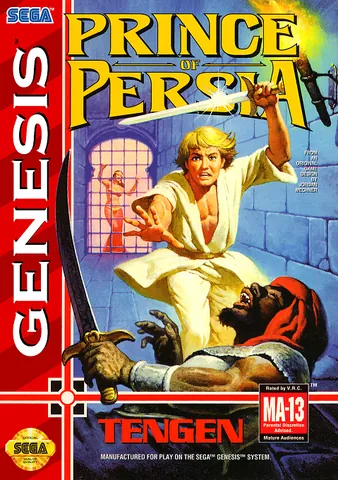
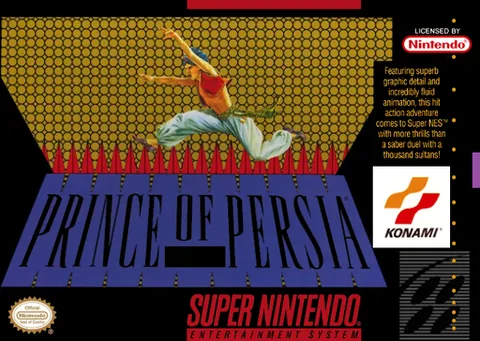
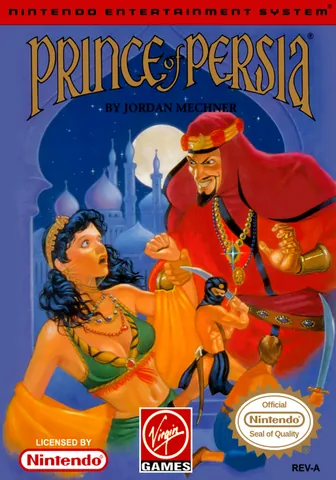
The Amiga and Atari ST offered the smoothest animation, staying closest to Jordan Mechner's original Apple II code and preserving the famous rotoscoped running and jumping. Super Nintendo received reworked 16-bit graphics plus scenes and content missing from the original, so it's often ranked among the best versions overall. The NES version was a separate rework by another team and diverges noticeably from the computer original in look and feel. On Commodore 64 and Amstrad CPC, developers had to cut animation frames due to weaker processors, making the prince's movement feel choppier than on 16-bit machines. Game Boy offered only a monochrome screen and lower resolution, but the core game held up. SEGA Master System delivered a colorful, playable conversion with its own graphical style.
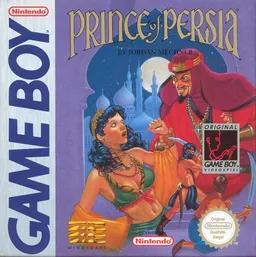
From the same series Prince of Persia →
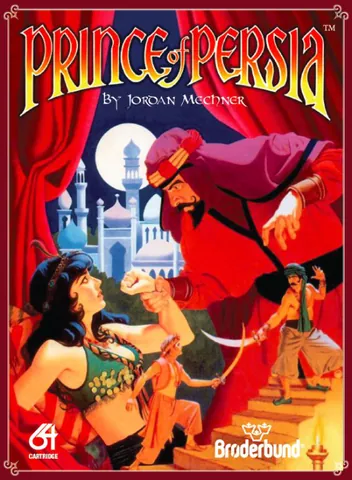 Prince of Persia C64 · X360 · PS3 · PC
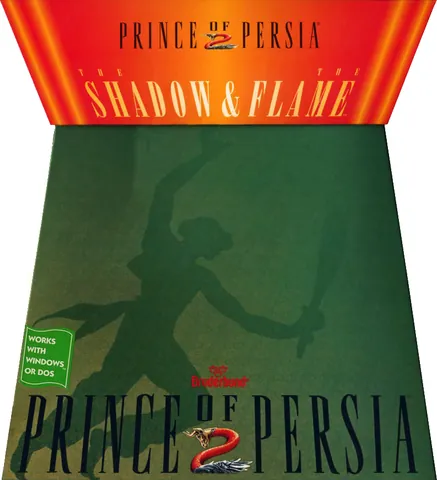 Prince of Persia 2: The Shadow and the Flame DOS · 1993
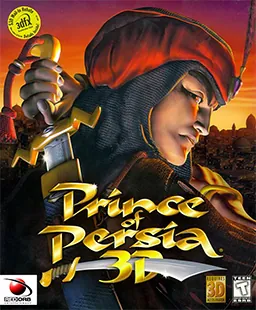 Prince of Persia 3D Win9x · 1999
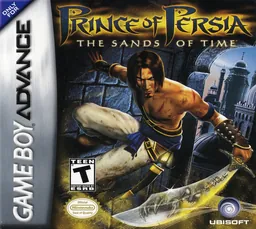 Prince of Persia: The Sands of Time GBA · PS2 · GCN · Xbox · 2003 Java ME Prince of Persia: Harem Adventures Java ME · 2003
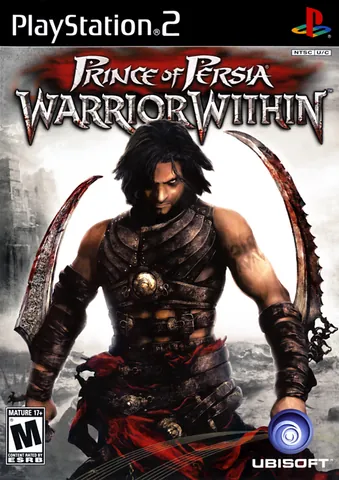 Prince of Persia: Warrior Within PS2 · Xbox · 2004
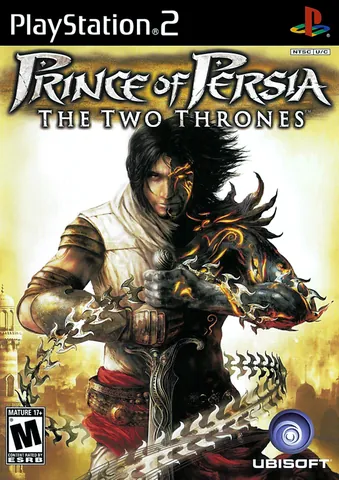 Prince of Persia: The Two Thrones PS2 · GCN · Xbox · PC · 2005
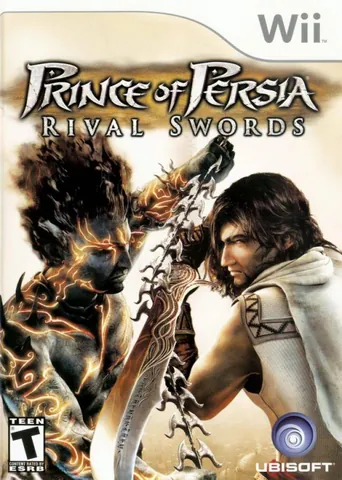 Prince of Persia: Rival Swords Wii · 2008
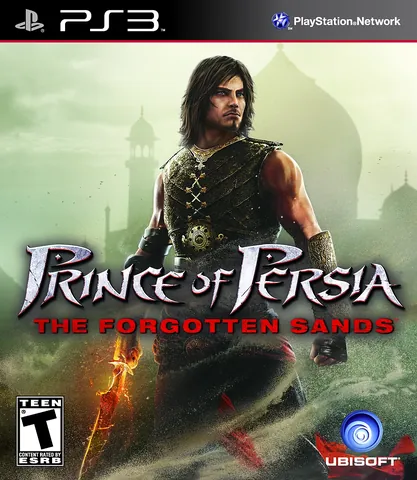 Prince of Persia: The Forgotten Sands PS3 · 2010
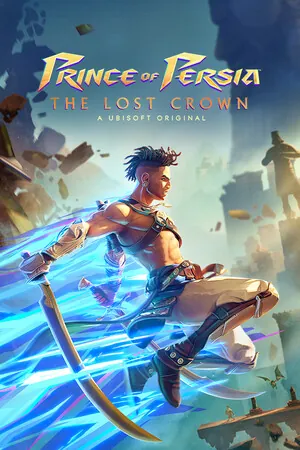 Prince of Persia: The Lost Crown PS5 · Series · 2024