Golden Axe
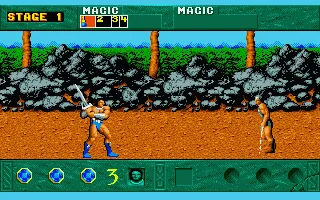
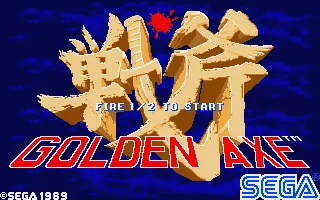
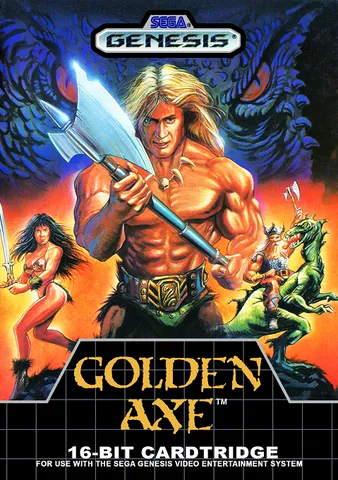
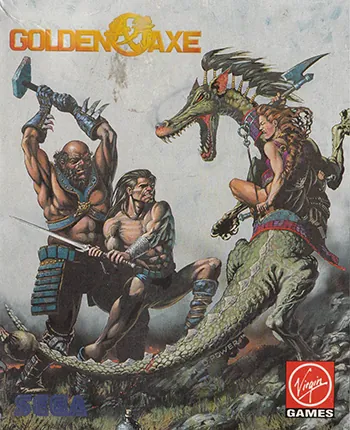
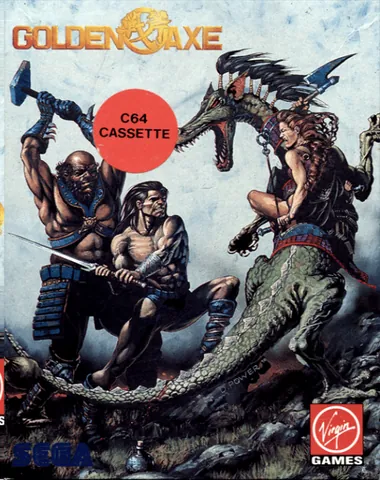
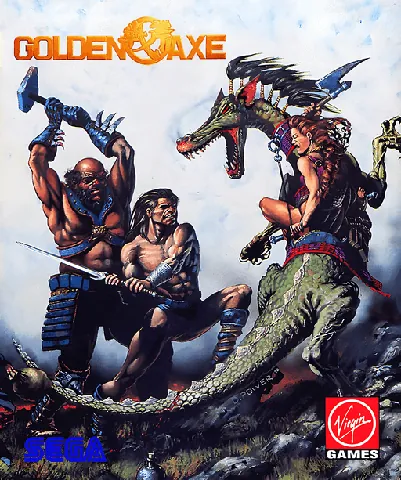
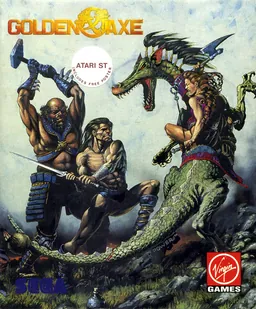
A barbarian, a dwarf, and an amazon set out against the evil Death Adder, who has kidnapped the king and his daughter and taken over the land of Yuria. Golden Axe is a fantasy brawler that took the proven beat 'em up formula and spiced it up with sword and sorcery, rideable beasts, and the unmistakable atmosphere of heroic fantasy.
Sega created the original for its arcades in 1989 and it quickly ranked among its iconic arcade titles. The game's strength lies in the combination of three distinct characters with their own abilities, the ability to mount fire-spewing enemy creatures, and magical attacks whose power the player replenished by collecting vials from goblins. All of this in two-player cooperation.
On the Atari ST, Golden Axe arrived as part of the wave of home conversions of Sega arcade hits, which were among the most sought-after products at the time. Sixteen-bit computers like the ST and Amiga were a natural choice for these conversions, even though they too could not fully match the performance of specialized arcade hardware. Nevertheless, the port delivered a colorful fantasy world and its characteristic battles.
Culturally, Golden Axe became one of the pillars of Sega and its arcade era. It spawned a series of sequels and ports, appeared in later compilations, and to this day remains a symbol of the golden era of fantasy-flavored brawlers. Together with titles like Double Dragon and Final Fight, it forms a cornerstone of the genre.
For Atari ST players, Golden Axe was a ticket to a colorful adventure that combined action, cooperation, and a bit of that sword-and-magic romance. Even today it ranks among the best that 1980s arcade fantasy had to offer.
Why play: For a brisk fantasy brawler with three heroes, beast riding, and magic, best enjoyed as a duo.
Game 16 of 72 for Atari ST
The same title elsewhere (6)
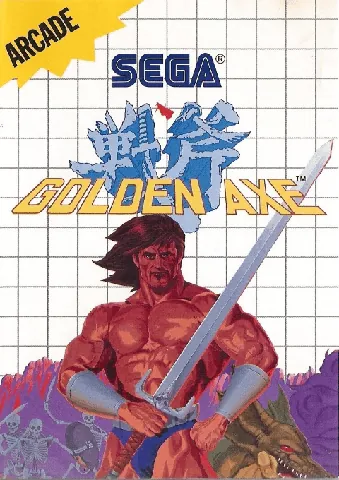
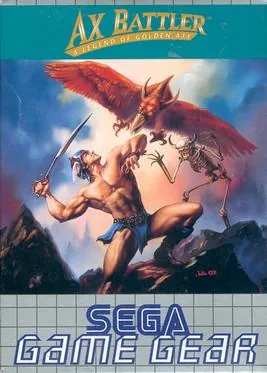
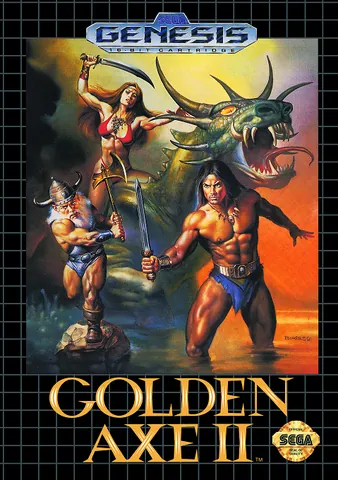
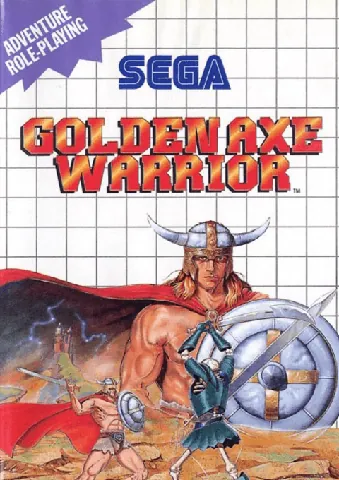
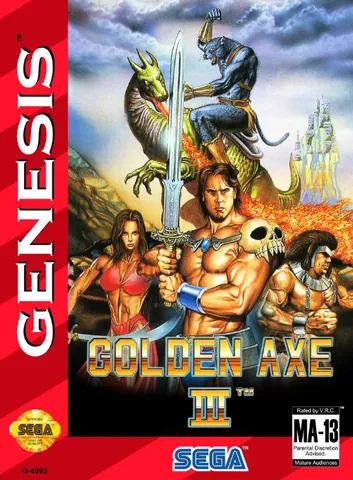
The 1989 Sega arcade original ran smoothly in bright, saturated colors and offered its full soundtrack alongside true simultaneous two-player action. The Mega Drive version came closest, keeping most of the atmosphere, music, and enemies, though some backgrounds and details had to be simplified. On the Master System, levels were shorter and the graphics plainer due to weaker hardware. Ports for eight- and sixteen-bit computers (Commodore 64, Amstrad CPC, Amiga, Atari ST) suffered from slower, choppier scrolling, a reduced color palette, and often lost simultaneous two-player co-op entirely. For the experience closest to the arcade cabinet, the Mega Drive version is the one to pick.