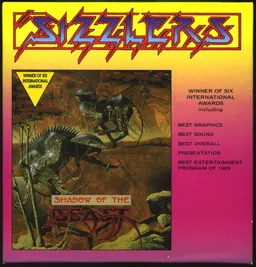
Shadow of the Beast
Few games could take your breath away on first launch quite like Shadow of the Beast. Smoothly scrolling background layers, a staggering number of colors, and David Whittaker's hypnotic soundtrack turned this platformer into a technological showpiece of its time — a work whose main purpose was to show what 16-bit computers were capable of.
The British studio Reflections released the game through Psygnosis in 1989 and it immediately became an icon, especially on the Amiga, where it fully exploited that machine's graphics hardware. On the Atari ST, a port was created that had to cope with different sound and parallax scrolling capabilities, but it still carried that unmistakable, fantastically dark visual style with its monstrous hero who was once a human.
In terms of gameplay, it is a demanding platformer combined with elements of combat and exploration of a vast, surrealistically tinged world. The game was notorious for its difficulty and how mercilessly it punished mistakes, which in many players evoked admiration for the graphics rather than joy at progress. It was here that the eternal tension between audiovisual splendor and playability became apparent.
The cultural significance of Shadow of the Beast lies in the fact that it became synonymous with the graphical pinnacle of the home computer era and with Psygnosis's reputation as a publisher of visually lavish titles. It spawned sequels and to this day is remembered as one of the most breathtaking technical demonstrations of its generation.
Whether you judge it as a brilliant work of art or as a frustrating trial, Shadow of the Beast remains unforgettable. It is a game you remember mainly for how it looked and sounded.
Why play: For an audiovisual experience that in 1989 showed the limits of what home 16-bit machines could do and still captivates today with its dark magic.
Game 20 of 72 for Atari ST
The same title elsewhere (3)
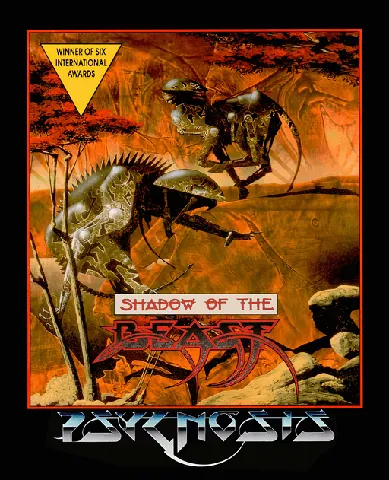
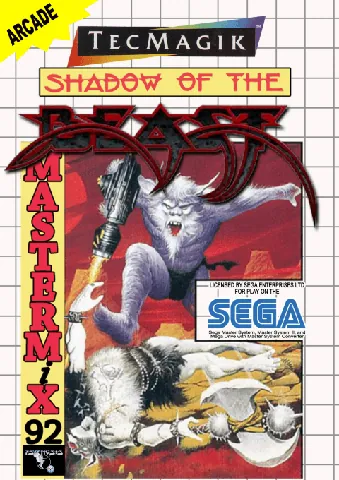
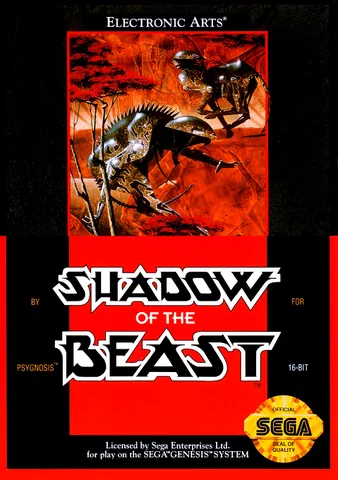
On the Amiga in 1989 the game showed what it could do – smooth multi-layer parallax backgrounds, dozens of colours on screen and David Whittaker's atmospheric soundtrack turned it into a technical showcase, even though gameplay stayed stiff and unforgivingly hard. The Atari ST followed the same concept but its weaker graphics chip meant fewer scrolling layers and rougher colour transitions, leaving the atmosphere flatter. The 8-bit SEGA Master System had to cut the most – palette and background resolution shrank considerably and the parallax was simplified, yet it remained an impressive feat for its time. The SEGA Mega Drive version tried to approach the Amiga original using hardware layers but never quite reached its visual depth. The Amiga remains the best way to experience it today.