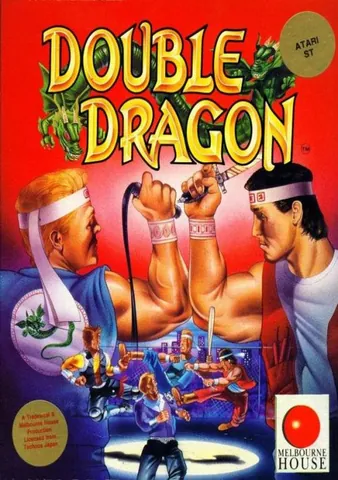
Double Dragon
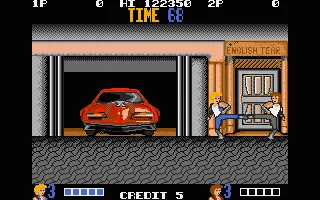
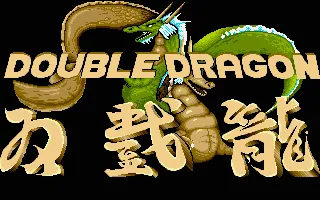
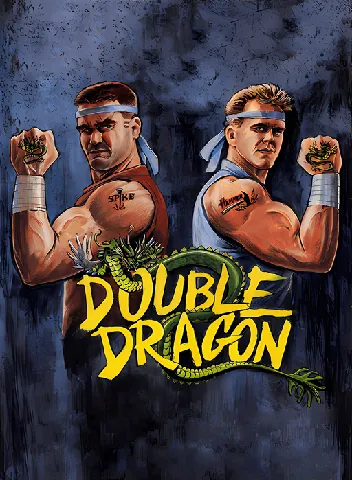
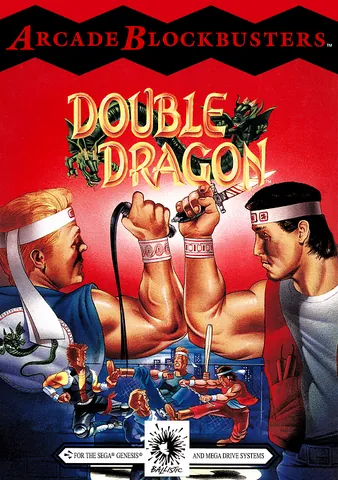
The two Lee brothers head out into the streets to wrest a kidnapped girl from the hands of the Black Warriors street gang. So begins Double Dragon, one of the titles that in the second half of the 1980s defined the beat 'em up genre and gave it clear rules: move from left to right, hit everything that moves, and pick up the weapons your enemies drop.
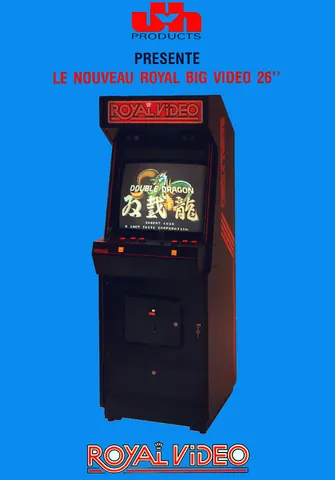
The original arcade game from Japan's Technos in 1987 became famous not only for its fluid combat but above all for two-player cooperation and the clever detail that after defeating the villains, the two friends could ultimately fight each other for the girl. On the Atari ST, as on most home computers of the era, the port came about through British publishers and arcade license conversions that filled the shelves of gaming software shops at the time.
In terms of gameplay, Double Dragon rests on a simple but satisfying repertoire of punches, kicks, throws, and grapples. Picked-up whips, knives, barrels, or stones give the fights an edge and force the player to strategize about when to use a weapon and when to leave it lying. On the 16-bit Atari ST, the port grappled with the typical compromises of arcade conversions, but the spirit of the original and its tense atmosphere of grimy streets remained intact.
The cultural significance of the original is hard to overstate. Double Dragon kicked off an entire wave of brawlers, inspired later classics like Streets of Rage and Final Fight, and became a brand that spawned sequels, conversions to countless platforms, an animated series, and a feature film. For Atari ST owners, it offered the chance to play one of the most influential arcade hits of its generation at home.
Today Double Dragon is more of a historical milestone than a technical showcase of the ST's capabilities, but that is precisely why it deserves attention. It is a game that shows what the beginnings of a genre looked like — a genre that would later dominate arcades and living rooms around the world.
Why play: To meet the forefather of the brawler genre and to cooperate with a friend in the style of the good old arcades.
Game 15 of 72 for Atari ST
The same title elsewhere (9)
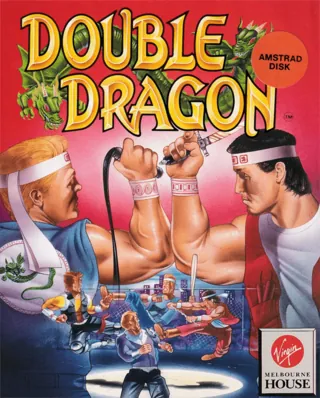
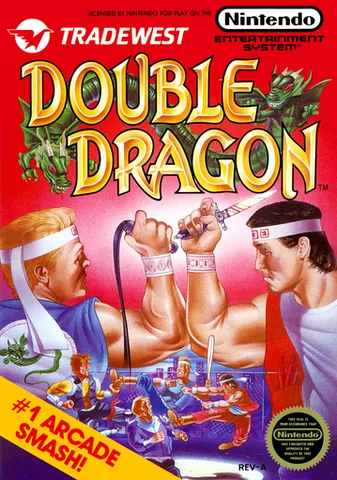
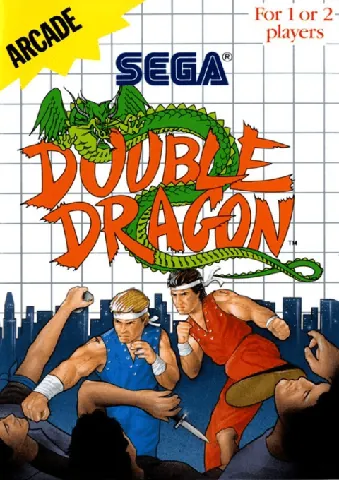
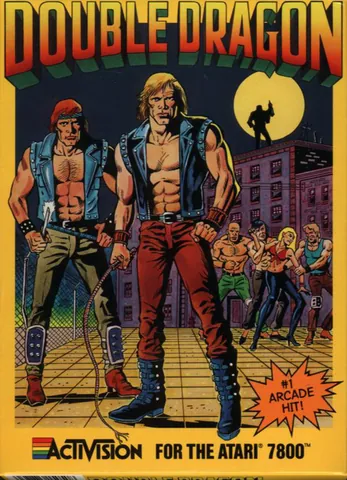
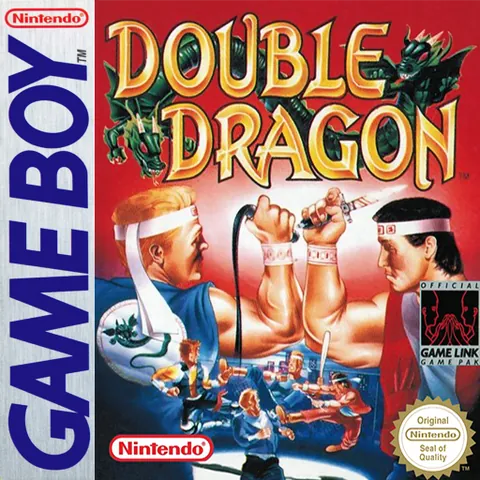
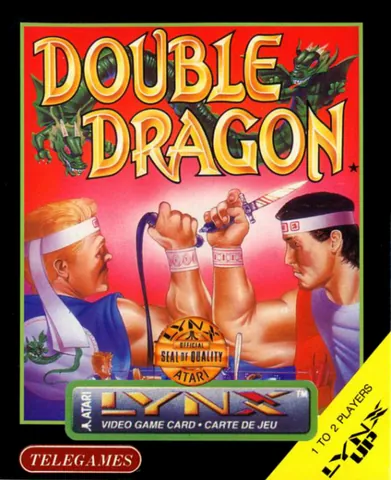
The differences between Double Dragon versions are among the most striking in the genre's early history. The NES version couldn't offer simultaneous two-player action like the arcade due to hardware limits — fights run in alternating turns or a duel mode — but developers compensated with an experience system and new moves, which many players still consider more enjoyable than the arcade. Versions for 8-bit computers like Commodore 64, ZX Spectrum, and Amstrad CPC drew sharp criticism for clunky controls, slow animation, and imprecise hits. Atari Lynx delivered a portable version many rank among the console's best action titles thanks to fluid movement and good sound. SEGA Master System and Mega Drive offered more colorful graphics closer to the arcade spirit, including two-player co-op.