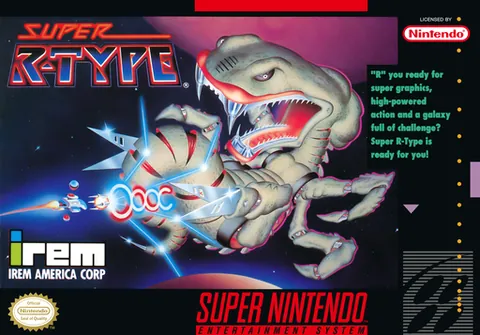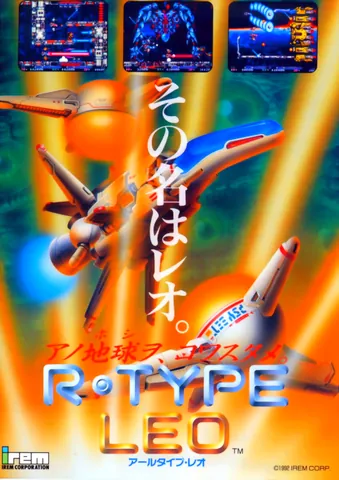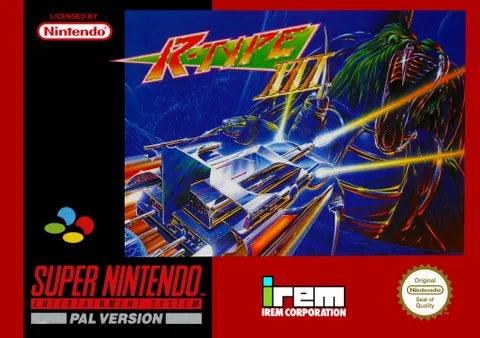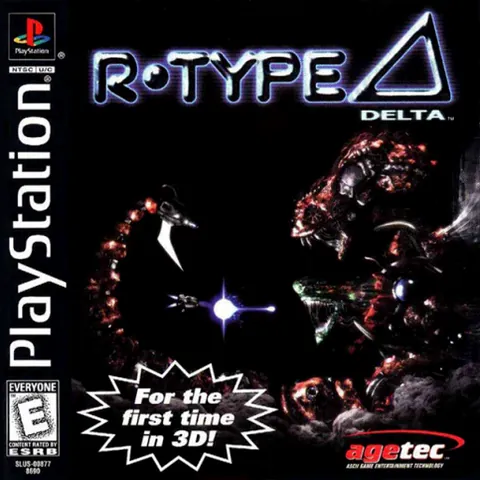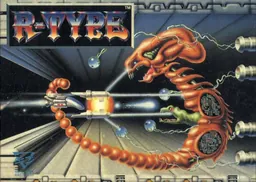
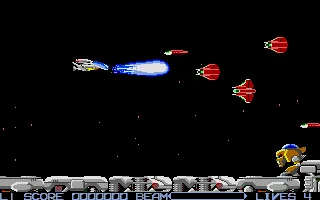
The lone fighter R-9 hurls itself against the biomechanical horror of the Bydo empire, and the player soon discovers that surviving here means learning every pixel by heart. R-Type is one of the most influential horizontal shooters ever and the yardstick against which the entire genre is still measured today.
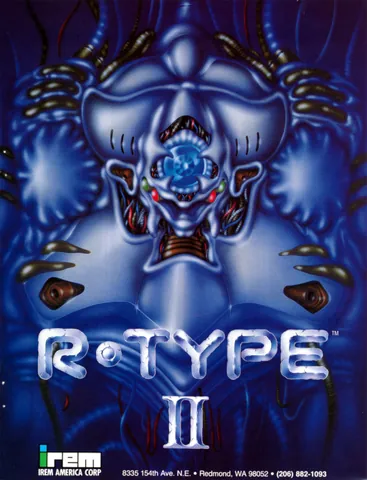
Irem introduced the original in arcades in 1987 and brought with it a revolutionary idea: a detachable auxiliary unit called the Force, which the player attached to the ship from the front or the back, used as both a shield and a weapon, and maneuvered strategically. Added to this was a charged shot and an elaborate, organically styled enemy design inspired by the works of H. R. Giger.
On the Atari ST, R-Type arrived as one of the prestigious home conversions and was among the titles that owners of 16-bit machines took pride in. Converting the demanding, pattern-recognition-based gameplay and detailed graphics was difficult, but the port strove to preserve that tension where a single hit means death and where every level is a carefully designed trap.
Culturally, R-Type defined what a serious shoot 'em up should look like. Its Force mechanic became a textbook example of innovation, the game spawned a series of sequels and spin-offs, and it inspired countless followers. The boss of the first level, the giant Dobkeratops, ranks among the most iconic enemies in the history of the genre.
R-Type is not a relaxing game — it is a test of reflexes, memory, and patience. And that is precisely why, even after decades, it retains respect as one of the absolute peaks of arcade shooters.
Why play: For a masterfully designed horizontal shooter with the revolutionary Force unit, which still sets the tone for the entire genre today.
Game 19 of 72 for Atari ST
The same title elsewhere (7)
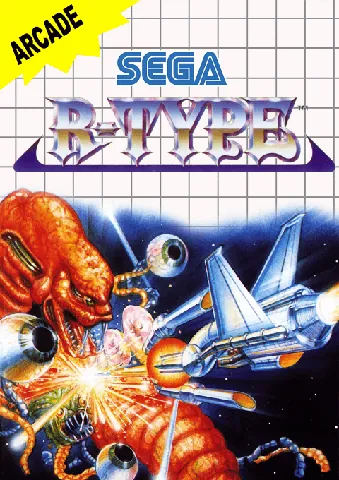
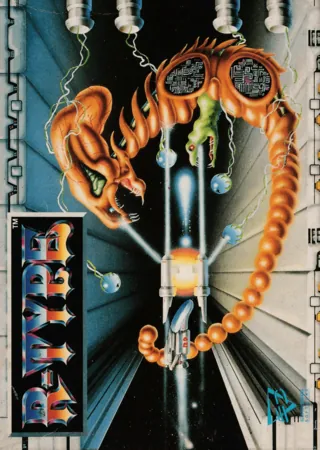
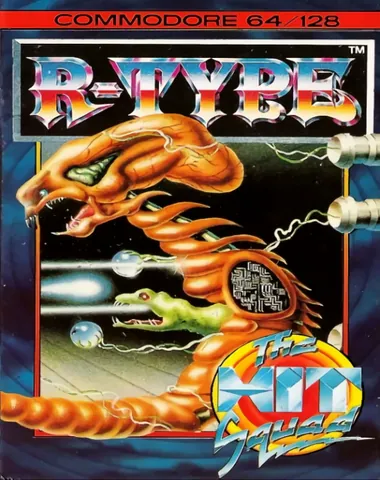
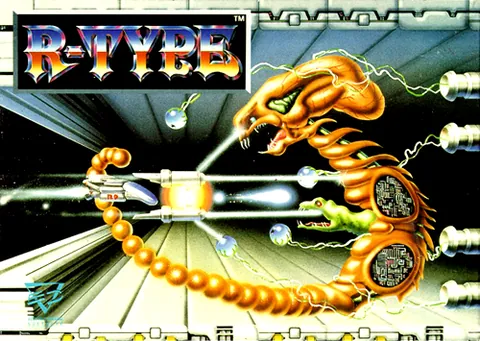
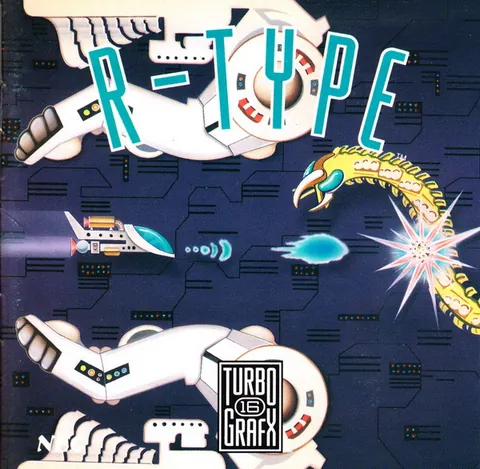
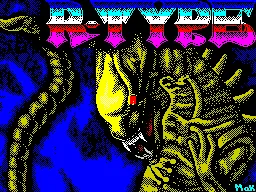
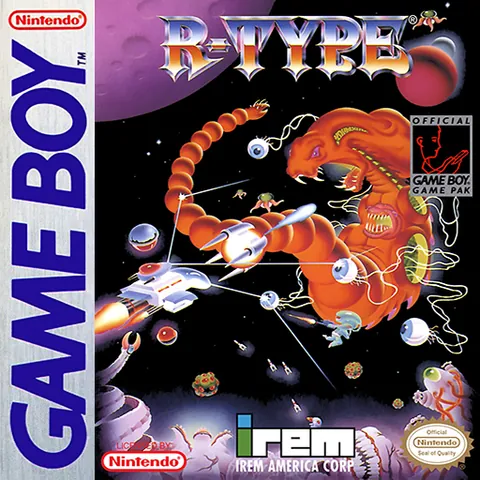
R-Type is a textbook case of a game where Irem's arcade board far outstripped contemporary home conversions, so differences mostly come down to how much graphical density and smoothness each platform could hold onto. Amiga and Atari ST came closest to the arcade experience, with smooth scrolling and faithful colors for the biomechanical enemies. Versions for Commodore 64, ZX Spectrum, and Amstrad CPC had to limit the number of enemies on screen and simplify backgrounds due to weaker hardware, slowing the game down, though the original's punishing difficulty remained intact. The PC Engine conversion was among the technically strongest ports, close to the arcade in color and speed. On Game Boy and SEGA Master System, graphics and pacing had to be noticeably simplified.