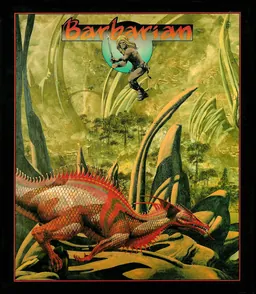
Barbarian: The Ultimate Warrior
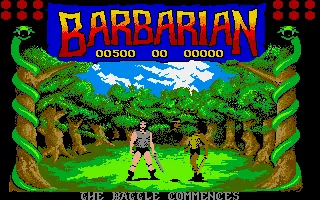
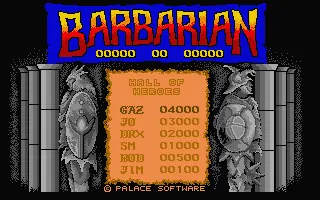
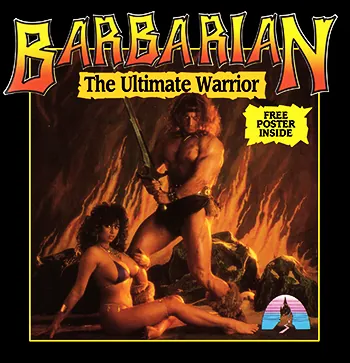
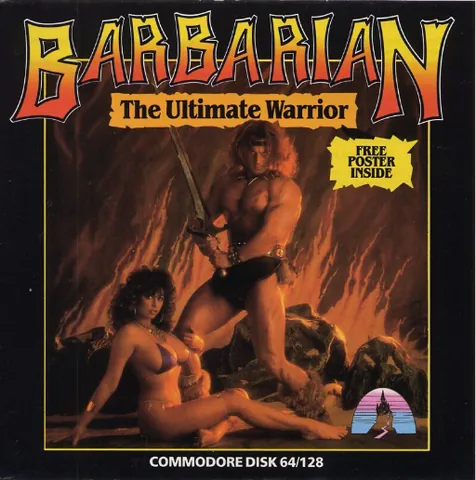
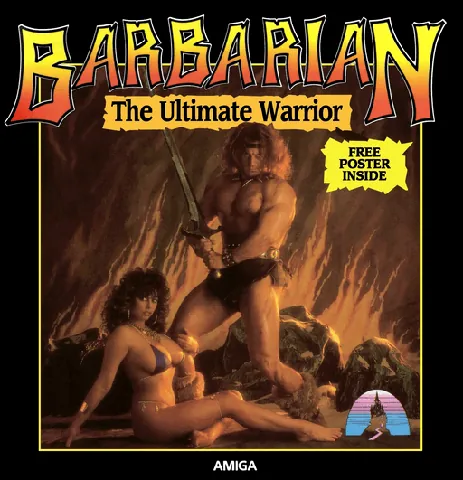
Barbarian: The Ultimate Warrior is one of the best-known fighting games of the 1980s, famous as much for its gameplay as for its controversial cover featuring model Maria Whittaker, which made it the most media-hyped game box of its era. On the Atari ST it offers one-on-one duels between sword-wielding barbarians, in which the player controls a character against the computer or a second player on a split screen, through a series of arena fights set in a dark fantasy world full of traps and monsters.
The combat system is built on combinations of strikes, kicks, blocks, and special moves, including the iconic beheading of a defeated opponent, which at the time was among the most explicit violent elements on home computers and drew period criticism as well as media attention beyond the gaming community. The controls are surprisingly refined for the time and offer more than just mashing one button — players had to read their opponent's movements, time their blocks, and respond to attacks with their own combinations of moves, setting the game apart from the simpler fighting games of its contemporaries. On the Atari ST the game runs smoothly, with striking character animation that gives the fights a raw, weighty feel, though the sound remains sparse and is limited mainly to the clash of weapons and the pained cries of the defeated.
At the time of release, Barbarian became a commercial success and one of the most talked-about titles of its generation, precisely because of its violent content and bold marketing built around the cover photo, which players of the time remembered well even without playing the game itself. From a gameplay perspective, it helped popularize the fighting game genre on home computers even before the arrival of console fighting titles, and it received its own sequel. To this day it is remembered as one of the icons of the 8-bit and 16-bit computer era, partly thanks to its reputation as a controversial and unforgettable game.
Why play it: For an iconic, controversial classic that helped popularize the fighting genre on home computers even before the arrival of console fighting titles.
Game 29 of 72 for Atari ST