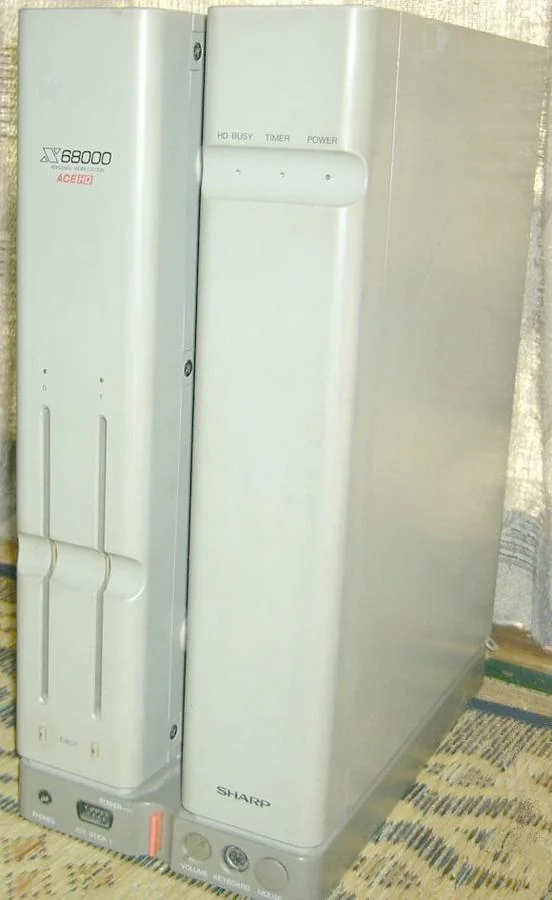
 Sharp · 1987
Computers
Sharp X68000
History & context
When Sharp launched the X68000 in 1987, it wasn't a computer for everyone. It was expensive, sold only in Japan, and made clear at first glance that it belonged somewhere other than in front of the family television. The black case, made of two vertical towers joined by a shared base, earned the nickname Manhattan shape — it looked like a piece of the New York skyline placed on a desk. Inside ticked a Motorola 68000 processor, surrounded by a chipset that held its own against the arcade cabinets of the day. That, in fact, was the whole point of the machine.
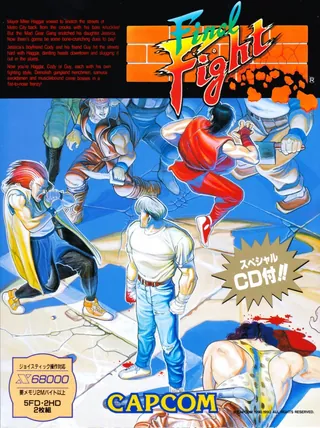
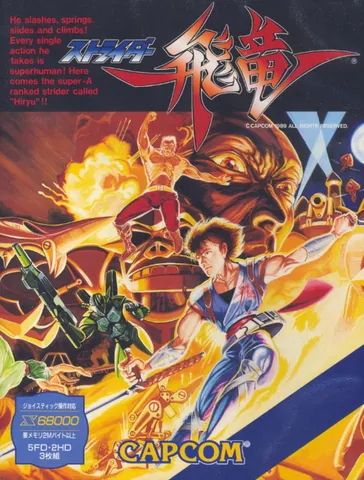
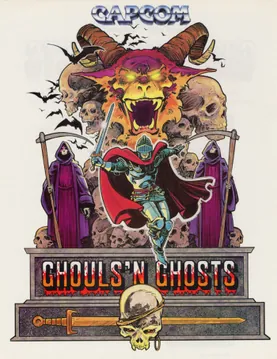
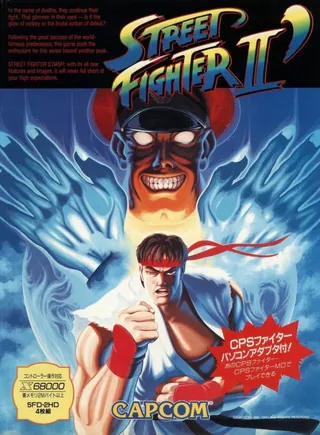
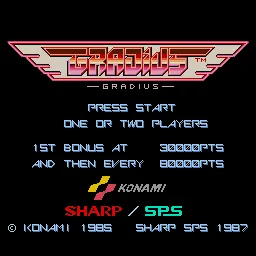
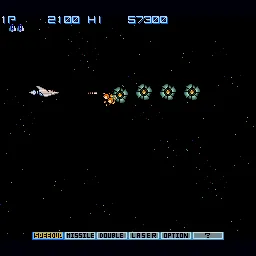
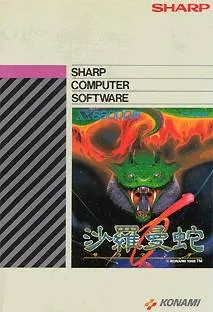
For players, the X68000 became a legend for one specific reason: arcade conversions on it looked and sounded almost exactly like the originals. While elsewhere an arcade hit turned into a pale imitation with half the colors and gutted music, on the X68000 the ports could stand comparison with the arcade board itself. Capcom brought over Final Fight, Strider Hiryu, and Daimakaimura (Ghouls 'n Ghosts); Konami bundled a port of Gradius with the very first model. For a Japanese fan, that meant one thing: an arcade at home in your own room.
The price matched the ambition. The X68000 was never a mass-market machine — it shared the Japanese market with the office-dominant NEC PC-9801, the cheaper MSX2, and, from 1989, the multimedia-focused Fujitsu FM Towns. It remained a computer for enthusiasts and people who wanted the best regardless of budget.
Hardware: graphics and sound
The graphics side was extraordinary for 1987. The X68000 worked with a palette of 65,536 colors and offered several independent graphics planes that could be layered, scrolled, and blended in color. On top of that it added hardware sprites and hardware scrolling — precisely the two things arcade action is built on. A programmer didn't have to invent tricks to get dozens of moving objects on screen: they had the same kind of tools available as in an arcade cabinet. Graphics modes reached resolutions around 512×512 pixels, and the machine paired with its own analog monitor capable of switching to frequencies close to arcade standards.
Sound was handled by the Yamaha YM2151 (also known as OPM) — an eight-channel FM synthesizer, literally the same type of chip that rang out of arcade cabinets at the time. Alongside it ran a channel for playing back ADPCM samples, so music could have an FM backbone with drum or vocal samples taken from a real recording layered on top. The result is still recognizable at first listen today: X68000 soundtracks rank among the best of Japanese game music from the eighties and nineties, and many composers chose this machine specifically for that reason.
Connectivity and peripherals
The equipment was generous by Japanese standards. The towers shipped from the factory with two 5.25" floppy drives stacked on top of each other, which saved endless disk-swapping during installation and play. The machine had ports for a mouse and a joystick, a serial and a parallel port, and was designed for expansion from the start — memory modules, SCSI controllers with hard drives, and later third-party accelerators and sound add-ons followed.
The operating system was Human68k, a Unix-flavored command line with its own filesystem, later running the graphical environment SX-Window on top. The combination of a capable 68000, decent memory, and a sensible operating system made the X68000 a popular development tool — in Japanese studios it was used to write code, draw graphics, and compose music for titles that then headed to completely different platforms.
Models and revisions
The line grew gradually, mainly toward smaller cases and faster processors. After the original 1987 model came variants such as ACE, EXPERT, PRO, and SUPER, which added memory, room for a hard drive, or a different case shape. A turning point was the X68000 XVI with a 16 MHz processor — double the original clock speed, and it showed immediately on more demanding games. A smaller variant called Compact also existed, abandoning the massive twin-tower design in favor of a compact box.
The final chapter was the X68030 from 1993, with a Motorola 68030 processor. It arrived, however, just as the Japanese market was starting to be taken over by PC-compatible machines running Windows, and the line said its goodbyes with it. Sharp ended development, and the X68000 remained what it had been all along — an expensive, admired exception.
Clones and variants
Because of its own architecture and Japanese origin, the X68000 was never cloned the way PCs or the ZX Spectrum were. It was practically never sold outside Japan and reached other countries only as an import for collectors — for a long time it was known here more from magazine mentions than from firsthand experience.
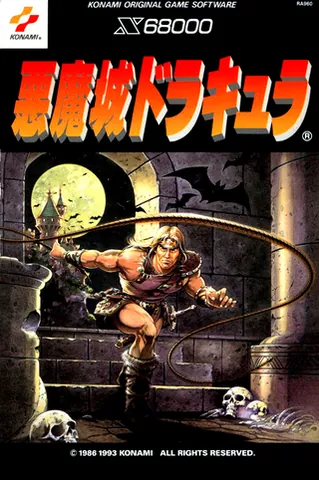
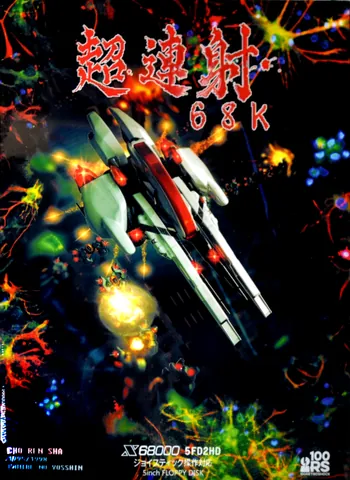
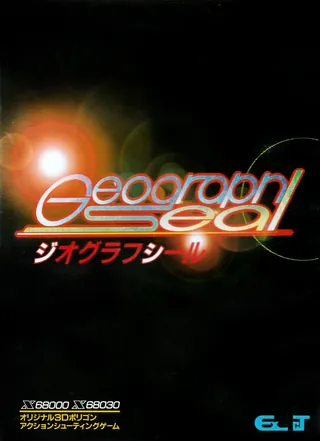
More interesting than hardware clones, then, are the original games made for the X68000 and nowhere else. Konami released Akumajō Dracula (1993) here, its own version of Castlevania, which later got a remake on PlayStation. Studio Exact showed off Geograph Seal, one of the first fully 3D action games on a home computer. And because the community stayed active, later amateur gems appeared too — for instance the precise vertical shoot-'em-up Chō Ren Sha 68K.
Today's scene
The X68000 is surprisingly easy to get into today. On PC, on handhelds, and in Batocera, the PX68k emulator runs (also available as a RetroArch core); on Windows, the most accurate options are XM6 and its variant XM6 TypeG. The emulator needs system files from the original machine, typically an IPL ROM and the CGROM character set; Sharp allowed free distribution of the system software for non-commercial use in the past, so the situation around it is friendlier than for most machines of its era. Games are commonly distributed as floppy disk images, and it's worth expecting Japanese in the menus.
Anyone who wants an X68000 physically has two routes. Original machines are a prized collector's item — they were expensive to find even before, and today buyers also have to deal with dried-out capacitors and worn floppy drives. The other option is the modern miniature replica X68000 Z from Zuiki, which faithfully recreates the twin-tower shape at a smaller scale. Either way, the X68000 remains a symbol of an era when a home computer could take on an arcade cabinet — and win.
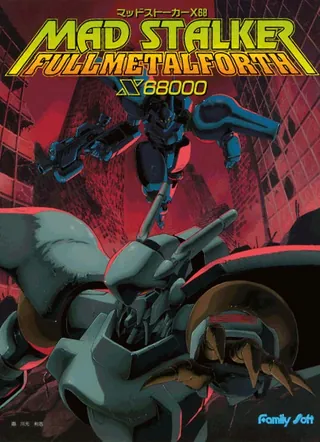
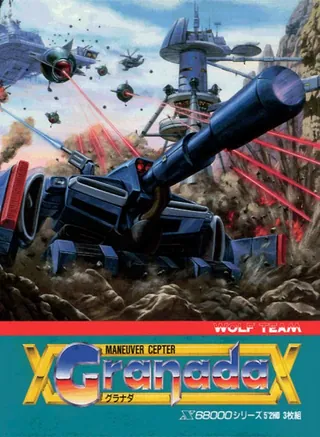
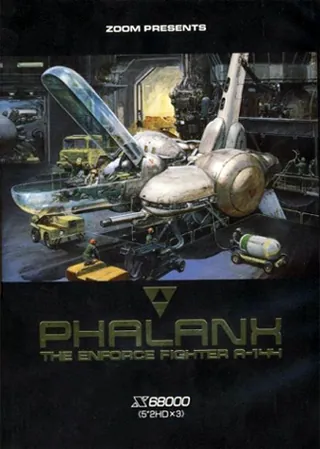
Games on this platform (25)

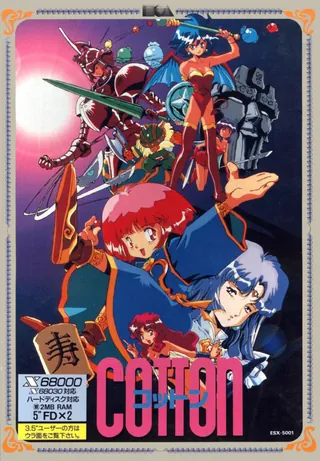
No game in this genre.