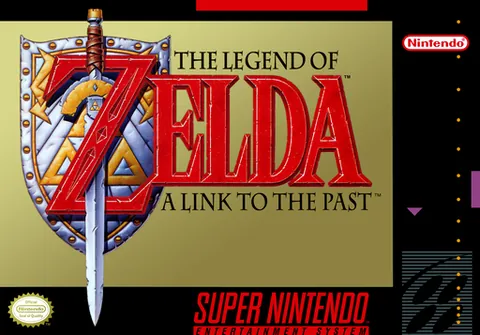
The Legend of Zelda: A Link to the Past
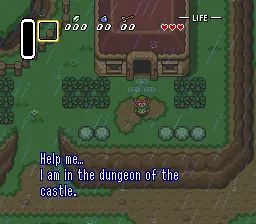
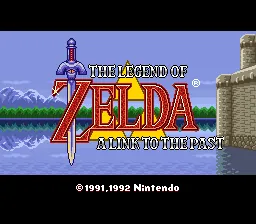
There are games that do not define a genre, and then there is The Legend of Zelda: A Link to the Past — a title that forged the top-down action adventure into a perfectly tuned machine and set a bar the series looked up to for many years to come. When Link first steps out into the rain on a stormy night to rescue Princess Zelda, you feel as though you are entering a living world, not a series of screens.
The ingenious idea on which the whole game rests is the coexistence of two parallel worlds. Alongside the Light World there exists a dark, warped Dark World, and the two influence each other: a rock you skirt around in one world turns into a platform in the other, and a chasm elsewhere becomes solid ground. This system turns both the dungeons and the overworld into ingenious spatial puzzles, where the solution often lies in switching between realities. The crown of the equipment is the legendary Master Sword, which you must first obtain — and that moment is one of the most iconic in the entire series.
A Link to the Past was created at Nintendo's internal EAD studio under the leadership of Shigeru Miyamoto and Takashi Tezuka, and it was released in 1991 in Japan, a year later in the West. After the experiment with a side view in Zelda II, the creators returned to the bird's-eye perspective of the first installment, but perfected it to a degree made possible by the power of the Super Nintendo. Koji Kondo's music gave the land of Hyrule melodies that now rank among the best known in gaming history.
The game's influence is enormous. Items like the hookshot, the boomerang, or bombs, the structure of gradually unlocking the world through newly acquired abilities, and the very pace of discovery — all of this became a series staple and a model for countless followers. The game sold more than 4.6 million copies and regularly appears at the top of rankings of the best games of all time. For many players and critics, A Link to the Past remains the pinnacle of two-dimensional Zelda.
Thanks to releases on the Game Boy Advance, the Virtual Console service, and as part of the Nintendo Switch Online subscription, the game is easily accessible today and ages remarkably well. The controls are brisk, the world clear, and every nook rewards curiosity. It is a textbook example of timeless design.
Why play: Because it is the essence of adventure — two intertwined worlds, perfect pacing, and a world you want to explore down to the last bush.
Game 3 of 154 for Super Nintendo
From the same series The Legend of Zelda →
 The Legend of Zelda: Ocarina of Time - Master Quest GCN
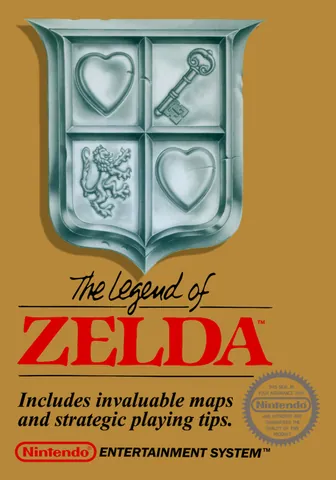 The Legend of Zelda NES · 1986 (JP) / 1987 (US)
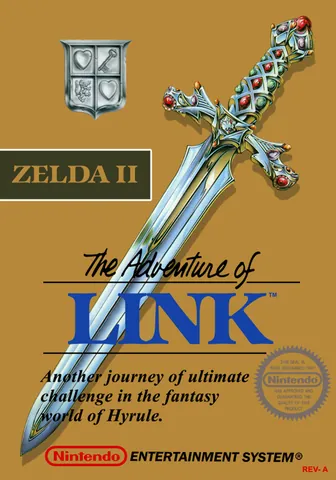 Zelda II: The Adventure of Link NES · 1987 (JP) / 1988 (US)
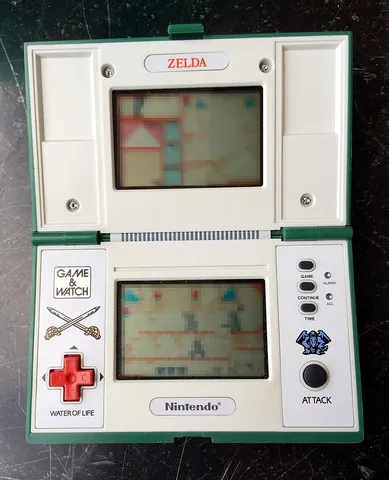 Zelda (G&W) G&W · 1989
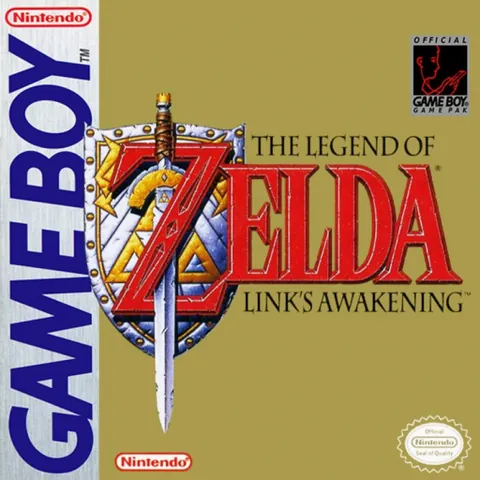 The Legend of Zelda: Link's Awakening (DX) GB · Switch · 1993 (DX 1998)
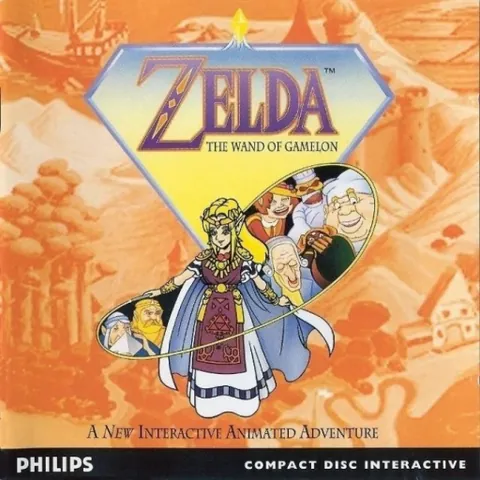 Zelda: The Wand of Gamelon CD-i · 1993
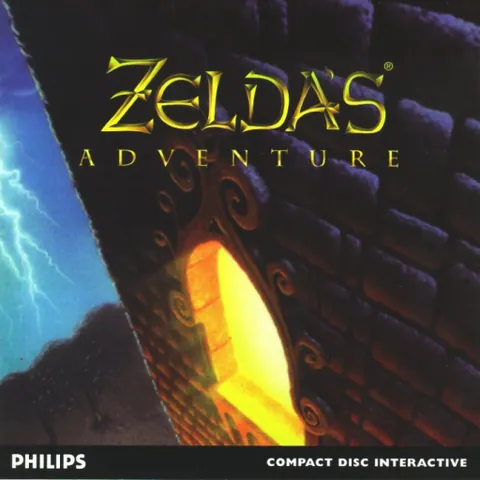 Zelda's Adventure CD-i · 1994
 The Legend of Zelda: Link's Awakening DX GBC · 1998
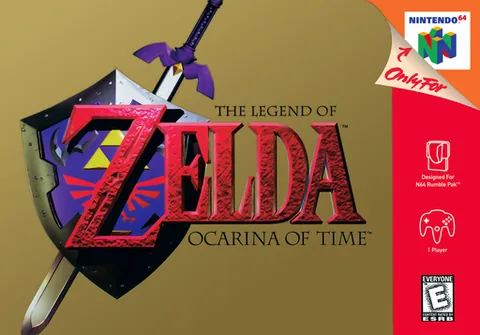 The Legend of Zelda: Ocarina of Time N64 · 1998
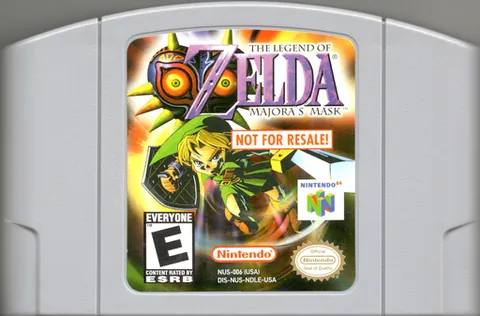 The Legend of Zelda: Majora's Mask N64 · 2000
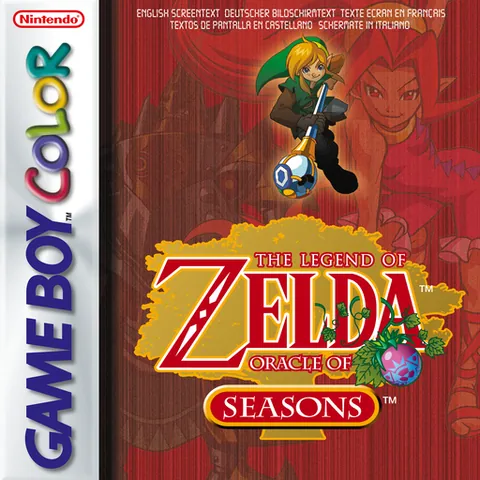 The Legend of Zelda: Oracle of Seasons GBC · 2001
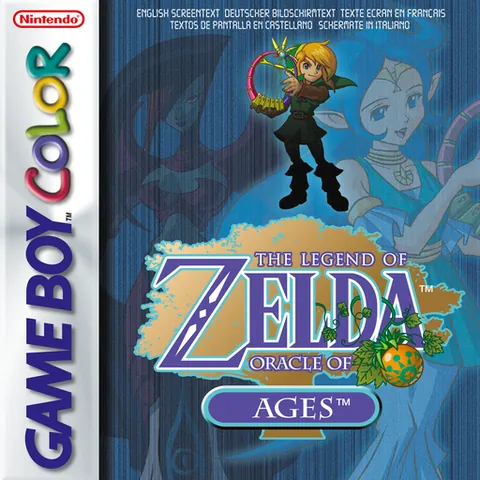 The Legend of Zelda: Oracle of Ages GBC · 2001