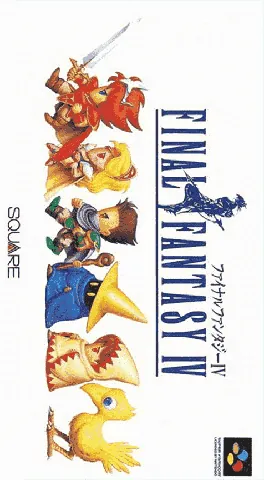
Final Fantasy IV / V
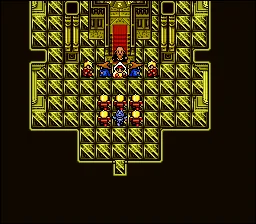
Two games, two philosophies, one studio at the height of its powers. In the middle of the 16-bit era, Final Fantasy IV and V form a pair that showcased two faces of what a Japanese RPG can be — one bet on drama and storytelling, the other on the depth of its game systems. And both became classics.
Final Fantasy IV, originally released in the West as Final Fantasy II, was groundbreaking above all thanks to its ATB (Active Time Battle) combat system. Battles were no longer purely turn-based — every character and enemy had a charging gauge, so passivity was punished and tension returned to the fights. The series then used this system for years. Just as important was the shift in storytelling: the dark knight Cecil, his transformation into a paladin, the betrayals and sacrifices of his companions gave the genre a serious dramatic center of gravity that had largely been missing until then.
Final Fantasy V, on the other hand, became famous for the deepest job system of the classic installments. You freely assign classes to your characters — knight, black mage, blue mage, thief and many more — and, crucially, the abilities learned by each profession can then be mixed and combined across the board. This creates enormous room for experimentation and for building your own, often surprisingly powerful lineups. For players who love to bend and optimize systems, the fifth game is a little treasure.
Each of the games thus appeals to a slightly different type of player. The fourth leads you through a strong, emotional story with memorable characters. The fifth lets go of the reins and lets you build a party from your own imagination, while its story carries a lighter, more adventurous tone.
Both games came from Square's workshop at a time when the studio was defining what a JRPG should look like, and both have gradually seen a range of re-releases, remasters and ports to modern platforms, so they aren't lost to the past. Together they form the ideal double portrait of why Final Fantasy became the gold standard of the genre.
Why play it: For two classics in one — IV grabs you with its drama and the introduction of ATB combat, V with the deepest job system, which tempts you into endless experimentation.
Game 8 of 154 for Super Nintendo
From the same series Final Fantasy →
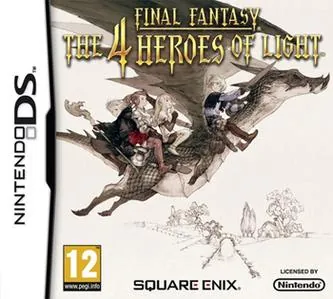 Final Fantasy: The 4 Heroes of Light DS
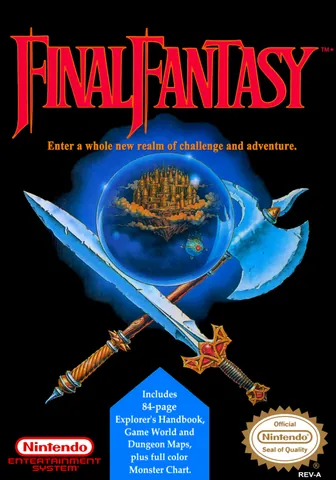 Final Fantasy NES · WS · 1987 (JP) / 1990 (US)
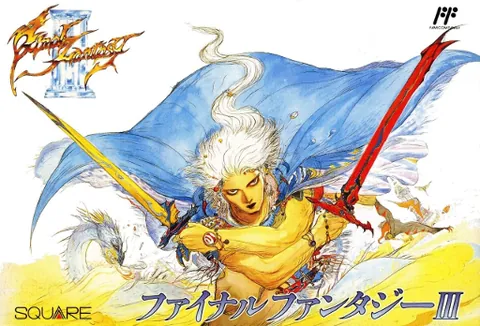 Final Fantasy III NES · DS · 1990
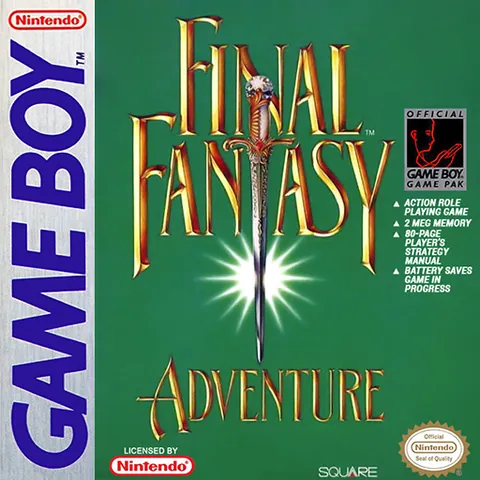 Final Fantasy Adventure GB · 1991
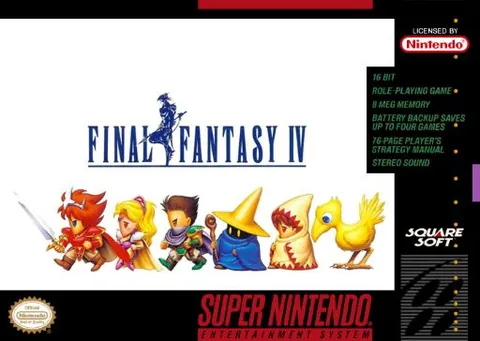 Final Fantasy IV SNES · WS · DS · 1991
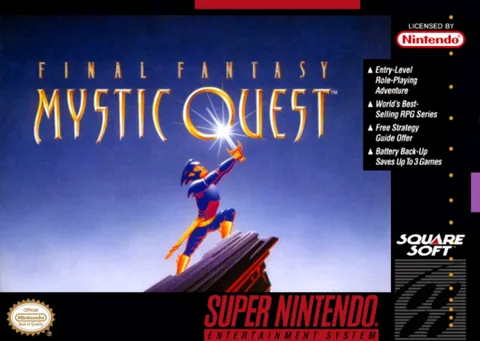 Final Fantasy: Mystic Quest SNES · 1992
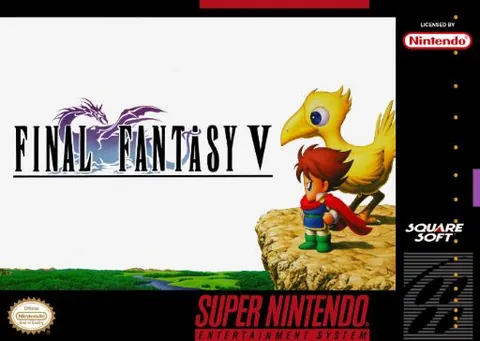 Final Fantasy V SNES · PS1 · 1992
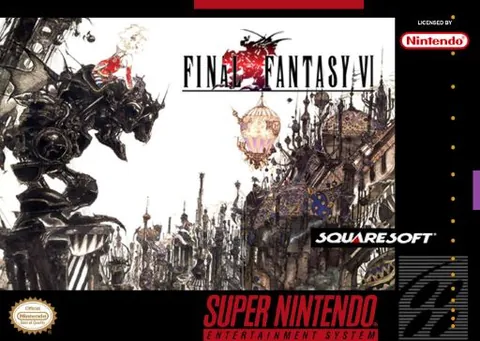 Final Fantasy VI (FFIII US) SNES · PS1 · 1994 (JP) / 1994 (US jako FF III)
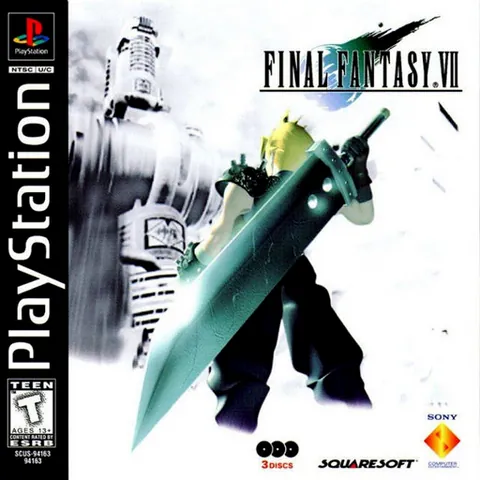 Final Fantasy VII PS1 · Win9x · Mobil · 1997
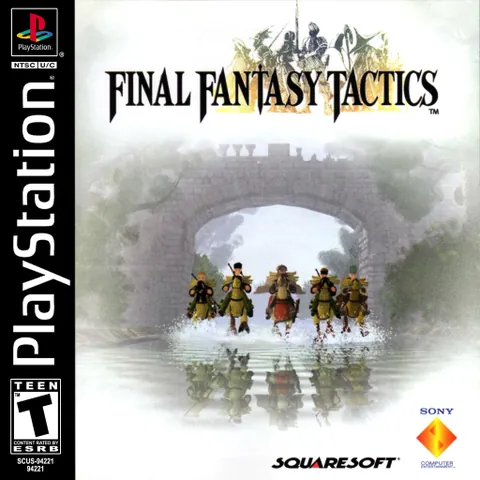 Final Fantasy Tactics PS1 · 1998
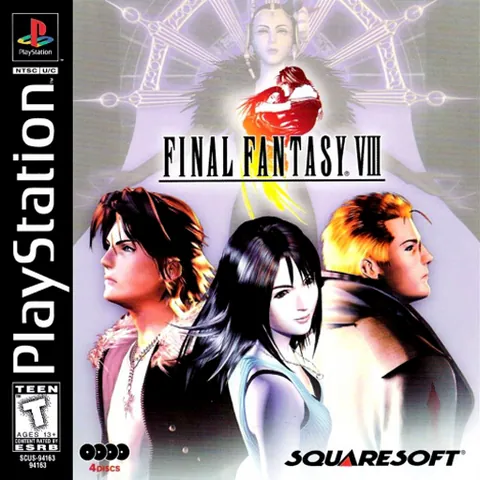 Final Fantasy VIII PS1 · Win9x · Mobil · 1999
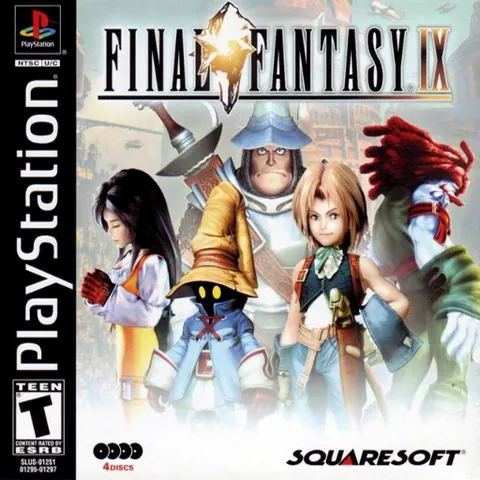 Final Fantasy IX PS1 · Mobil · 2000