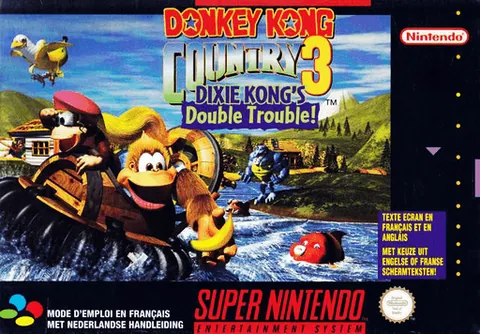
Donkey Kong Country 3
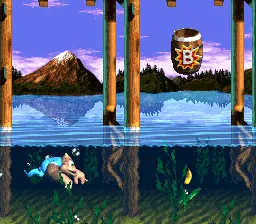
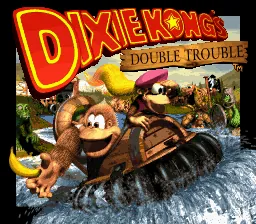
Donkey Kong and Diddy have vanished, and this time it's Dixie together with the burly little Kiddy who take up the search. Donkey Kong Country 3: Dixie Kong's Double Trouble from 1996 closes out Rare's famous trilogy on the Super Nintendo, at a time when the gaming world was already fixing its eyes on the arrival of fully 3D consoles.
The gameplay stays true to the proven recipe. Once again it's a demanding 2D platformer with two characters you switch between, collecting secrets and carefully designed levels. The new addition is the duo of Dixie and Kiddy, where the small Dixie uses her gliding abilities and the robust Kiddy uses strength, meaning some puzzles require thoughtful alternation of the two. The game also adds an explorable overworld map with side activities and a greater emphasis on searching for hidden items. The relationship between the two characters gives the game a specific rhythm: the small Dixie is fast and agile, while the burly Kiddy is useful wherever brute force is needed, and switching between them becomes part of solving many passages.
Visually Rare once again wrung the maximum out of the pre-rendered graphics and pushed the Super Nintendo to its limits in the final years of its lifespan. This time the environments are tuned to a more northern, lakeside and mountainous tone. The soundtrack here was handled by Eveline Fischer along with other composers and offered a different mood than the previous installments.
Commercially and critically it was a successful title, even though it came out late in the console's life cycle, when players' attention was already beginning to turn to the new generation. Even so, it proved the brand still had something to offer and closed out one of the best-rated platformer series of its time. Later re-releases on Nintendo's handheld consoles also gave the game a second life with a new audience, and this dynamic of the hero duo gives the third installment its own face within an otherwise very consistent trilogy.
Culturally, the third installment represents a dignified full stop to the era in which Rare defined what a technically top-tier 2D platformer could look like. For fans of the series it is an essential piece of the puzzle and proof that even the last installment at the end of the generation managed to maintain a high bar.
Why play: The conclusion of a legendary trilogy with a new hero duo and honestly demanding level design, ideal for anyone who finished the first two installments.
Game 71 of 154 for Super Nintendo
From the same series Donkey Kong →
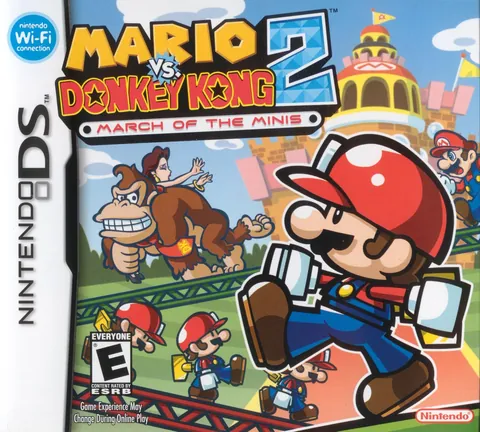 Mario vs. Donkey Kong 2: March of the Minis DS
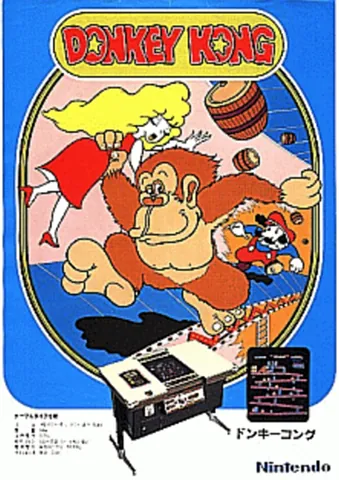 Donkey Kong MAME · Coleco · 2600 · 5200 · G&W · A800 · 7800 · GB · 1981
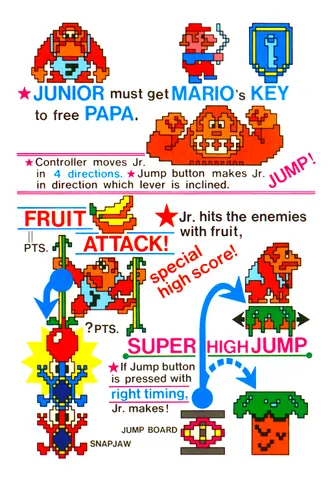 Donkey Kong Jr. MAME · G&W · 1982
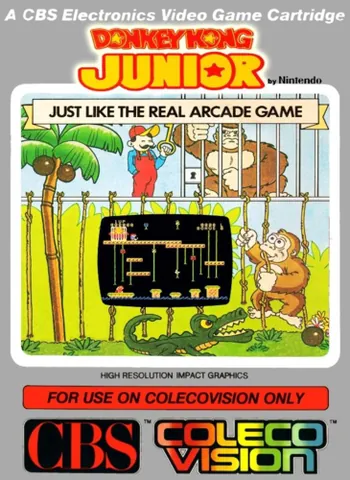 Donkey Kong Junior Coleco · 1982
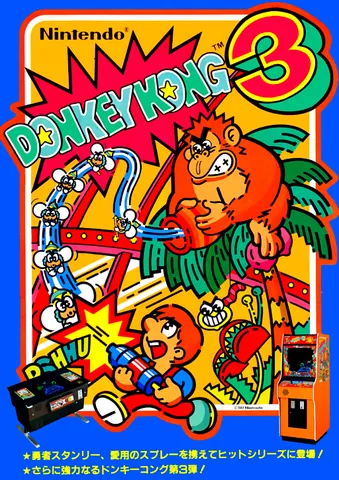 Donkey Kong 3 MAME · 1983
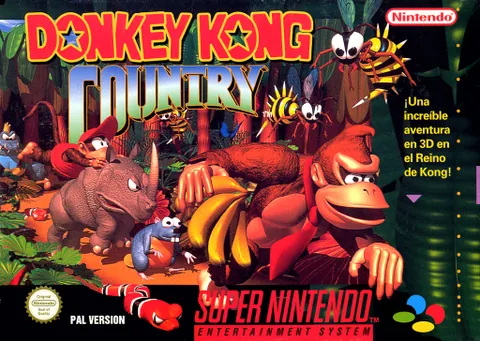 Donkey Kong Country 1–3 SNES · 1994–1996
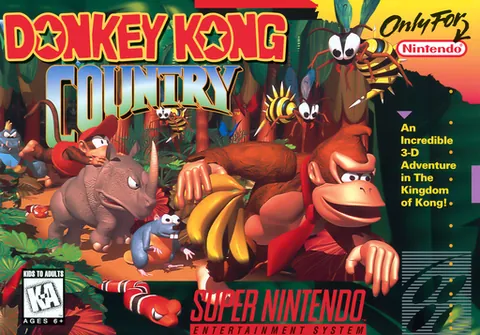 Donkey Kong Country SNES · GBC · GBA · 1994
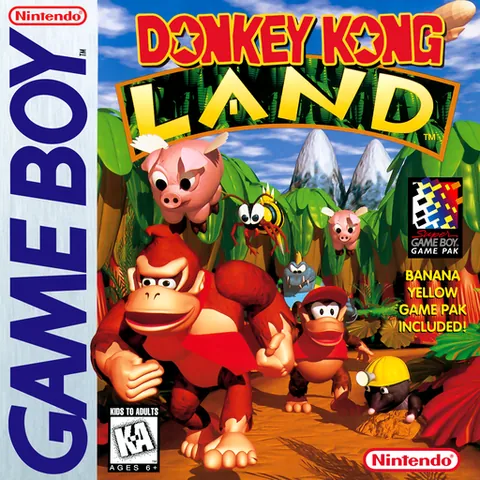 Donkey Kong Land GB · 1995
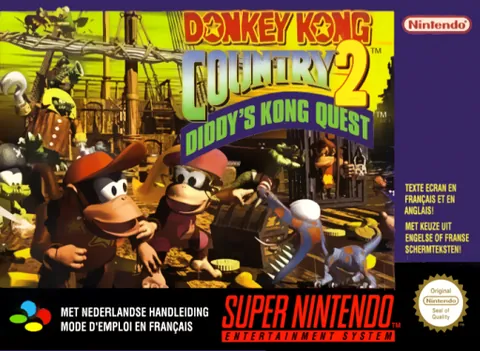 Donkey Kong Country 2 SNES · GBA · 1995
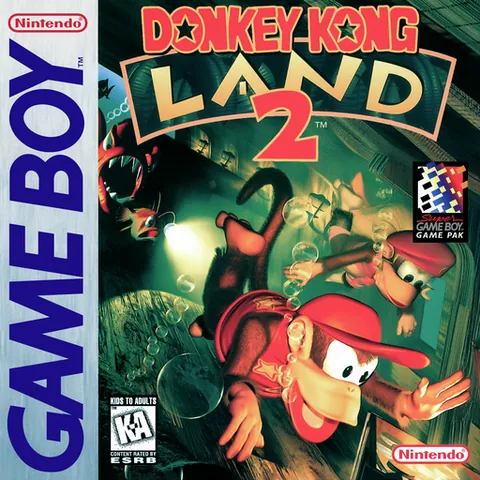 Donkey Kong Land 2 GB · 1996
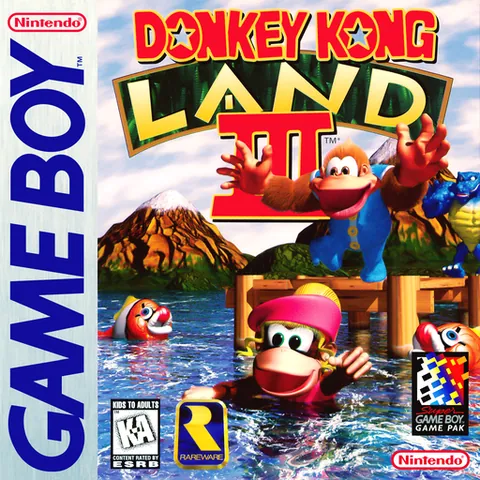 Donkey Kong Land III GB · 1997
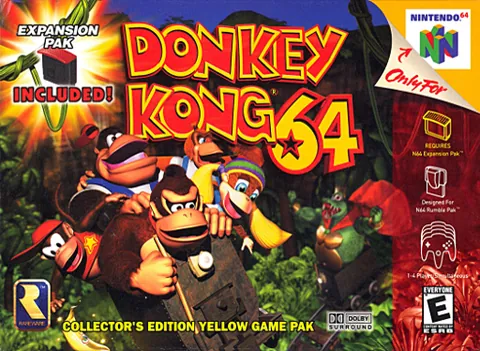 Donkey Kong 64 N64 · 1999