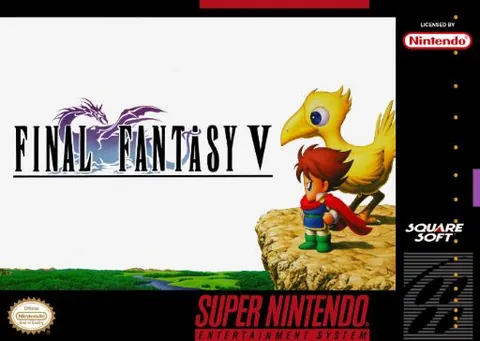
Final Fantasy V
Final Fantasy V was released in December 1992 exclusively for the Japanese Super Famicom and is still valued in the series today mainly for its elaborate Job System, which let players combine learned abilities across different professions – a White Mage could learn a Black Mage's attack spell, or a Fighter a Samurai's technique, giving players enormous freedom in building their party. The story follows four heroes tied to the crystals of the elements who defend the world's balance against the dark mage Exdeath, and its tone moves between more serious passages and a lighter, at times outright playful narrative, which sets it apart from the grimmer entries surrounding it in the series.
This original Super Famicom version never officially made it to the West at all – Square decided at the time that the game was too complex and experimental for the American market, particularly because of the depth of the job system, and so European and North American players had access only to an unofficial fan translation distributed on emulators. The graphics and sound made full use of the Super Famicom's 16-bit hardware potential, including more detailed battle animations and music by Nobuo Uematsu, and the game remained without any content changes exactly as Square released it in Japan, on a single cartridge with no disk splitting.
An official localization arrived only many years later through ports to other platforms, so this Japanese Super Famicom version is historically the first and original release of the game, from which all later content and the job system derive, a system the series also used in later entries, including the subsequent Final Fantasy Tactics. For collectors and fans of classic JRPGs, this edition represents the purest form of the game as it was at the time of its creation, without the later interface tweaks, battle balancing, or translation that only arrived with subsequent computer and console ports. Fans of the series still talk about it today as one of the high points of the 16-bit Final Fantasy era, even though in the West it long remained more of a legend known mainly by hearsay.
Why play it: For collectors and fans of classic JRPGs, this is the purest period-accurate form of Final Fantasy V in its original Japanese version, without the later interface and combat tweaks that only newer ports brought.
Game 128 of 154 for Super Nintendo
From the same series Final Fantasy →
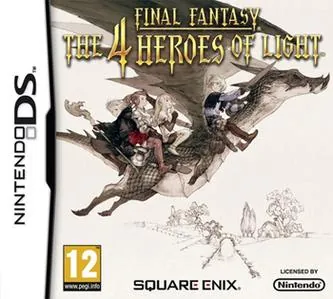 Final Fantasy: The 4 Heroes of Light DS
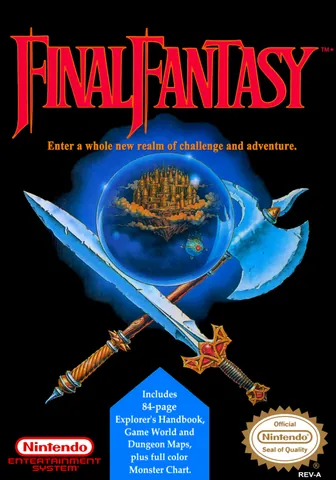 Final Fantasy NES · WS · 1987 (JP) / 1990 (US)
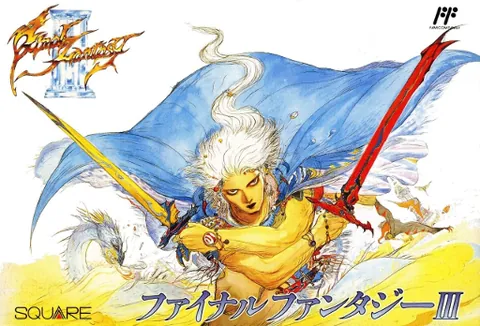 Final Fantasy III NES · DS · 1990
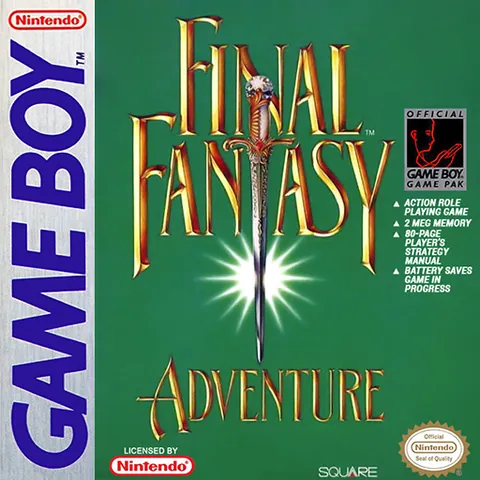 Final Fantasy Adventure GB · 1991
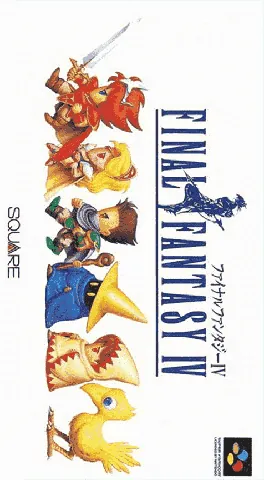 Final Fantasy IV / V SNES · 1991 / 1992 (JP)
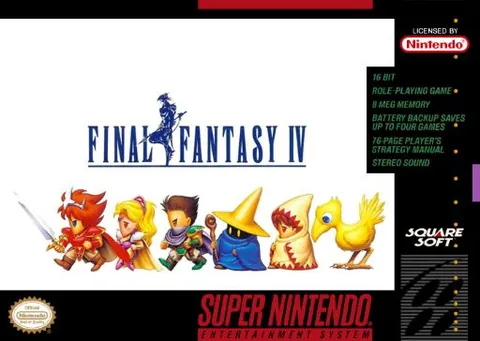 Final Fantasy IV SNES · WS · DS · 1991
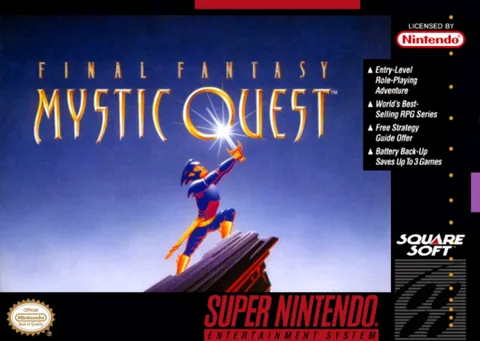 Final Fantasy: Mystic Quest SNES · 1992
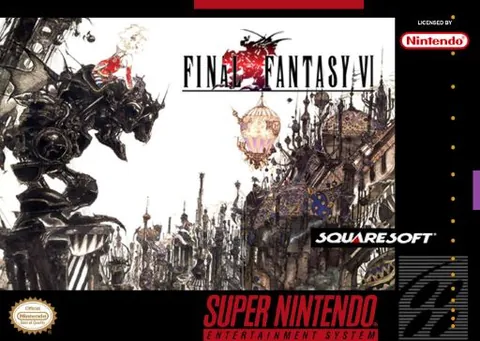 Final Fantasy VI (FFIII US) SNES · PS1 · 1994 (JP) / 1994 (US jako FF III)
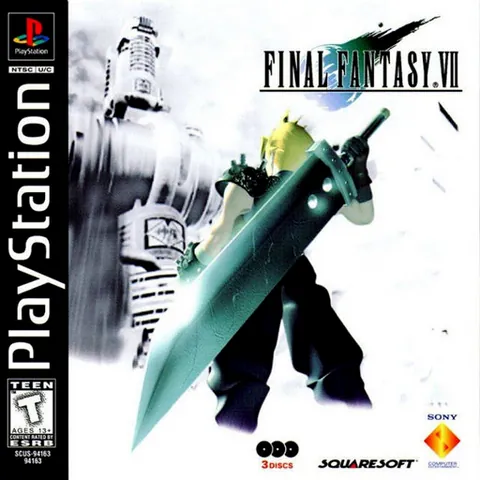 Final Fantasy VII PS1 · Win9x · Mobil · 1997
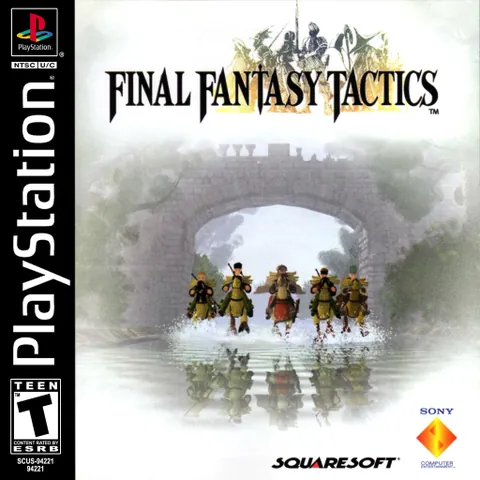 Final Fantasy Tactics PS1 · 1998
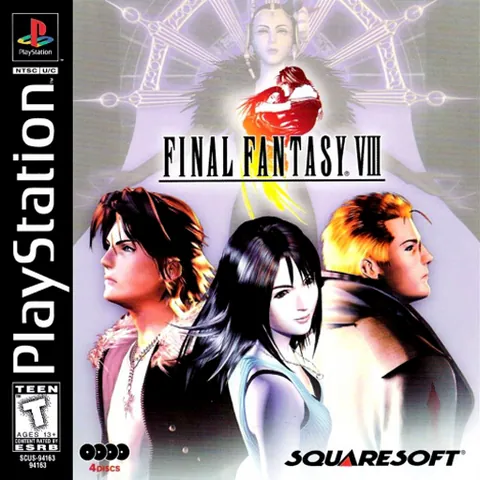 Final Fantasy VIII PS1 · Win9x · Mobil · 1999
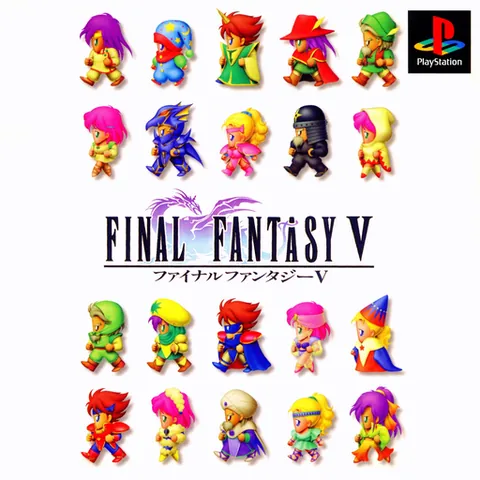 Final Fantasy V PS1 · 1999