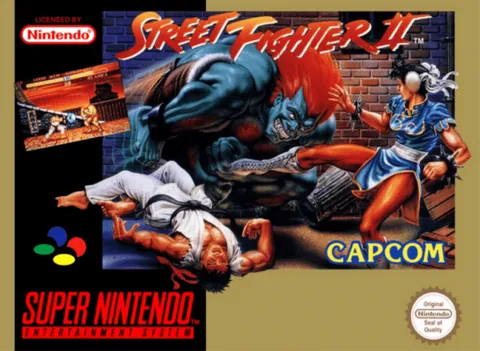
Street Fighter II Turbo: Hyper Fighting
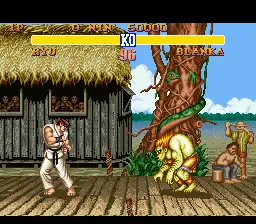
Bringing the arcade marvel Street Fighter II into the living room was the holy grail of the early nineties. The Super Nintendo proved to be its ideal home, and Street Fighter II Turbo: Hyper Fighting on it was one of the main reasons people bought the console. For many players it was the first chance to have those legendary fights at home, anytime and without feeding coins into a machine.
This version cleverly combined the best of two arcade editions. It offered both the normal speed matching Champion Edition and the frantic Turbo mode inspired by Hyper Fighting, and moreover, for the first time on the SNES, it let you play as the four grand bosses — Balrog, Vega, Sagat, and M. Bison. Players could thus choose the pace as well as the entire roster of fighters and get a feel for the specials they were used to from the arcades.
The conversion was among the most faithful home consoles offered at the time. Large sprites, fluid animation, and a decently preserved feel of the controls made this cartridge one of the most prized in the SNES library. The Super Nintendo's six-button controller was made for Street Fighter, giving the platform a tangible comfort advantage over the standard three-button Mega Drive pad.
In development terms it was a continuation of Capcom's strategy to squeeze the maximum out of the brand's huge success. After the first home Street Fighter II, which became one of the console's best-selling titles of all time on the SNES, this improved Turbo edition arrived as the logical next step for players hungry for a faster and more complete version.
The cultural significance of the home ports cannot be overstated. It was precisely thanks to them that Street Fighter II became a true mass phenomenon that penetrated pop culture, T-shirts, comics, and later the silver screen as well. The ability to play at home against a friend on the couch created countless rivalries and memories and cemented the brand's standing in players' hearts.
Compared to the first home conversion, this Turbo edition brought a tangible leap forward. Whereas the original Street Fighter II on the SNES offered only normal speed and did not allow playing as the bosses, Turbo: Hyper Fighting added a faster mode and the playable quartet of grand fighters. For many it was reason enough to buy the game again, even though they already had the previous version at home. Capcom thus cleverly monetized a single brand several times over, and players did not protest, because they were getting a measurably more complete and livelier experience that was also closer to what they knew from the arcades.
Today this cartridge is a sought-after piece among collectors and still plays wonderfully. It represents the moment when the arcade elite truly moved into living rooms and when home consoles proved they could faithfully deliver an experience once paid for in arcades. For Super Nintendo owners it was one of the defining experiences of the era.
Why play: Home Street Fighter II in its most complete form, with a choice of pace, playable bosses, and the comfortable six-button controls of the SNES.
Game 58 of 154 for Super Nintendo
From the same series Street Fighter →
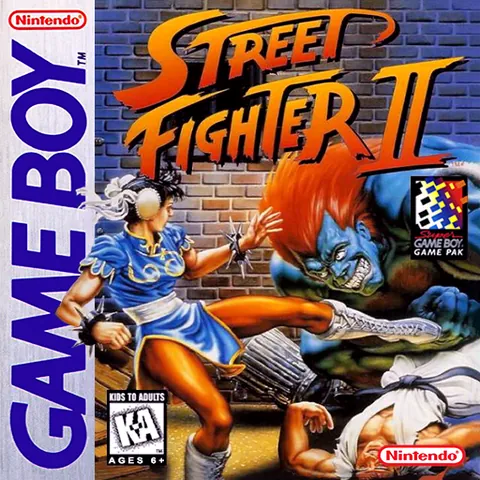 Street Fighter II GB · 1991
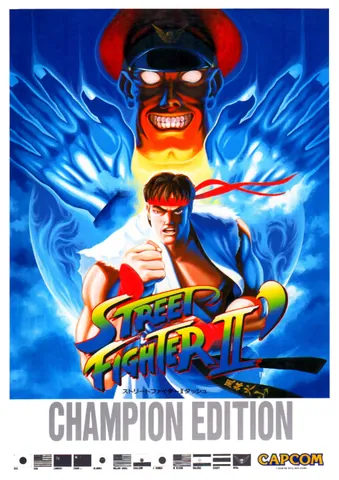 Street Fighter II': Champion Edition CPS · X68k · PCE · 1992
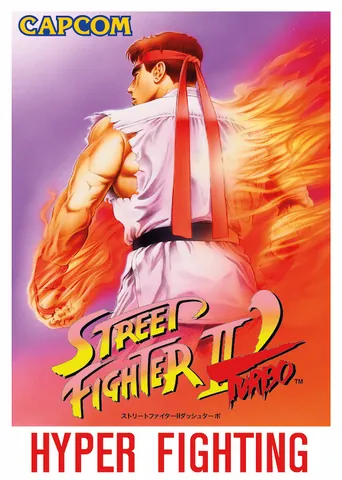 Street Fighter II: Hyper Fighting CPS · 1992
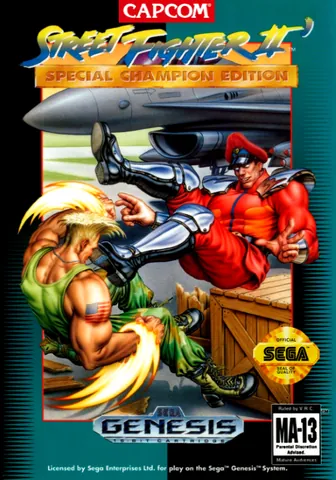 Street Fighter II: Special Champion Edition MD · 1993
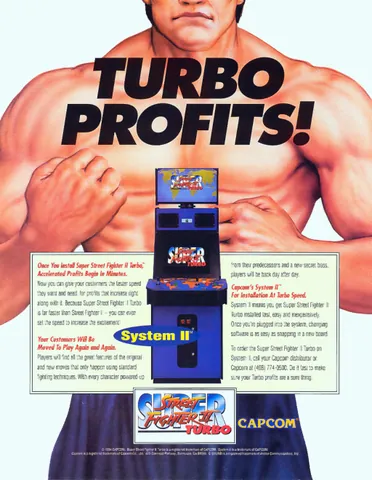 Super Street Fighter II Turbo MAME · 3DO · 1994
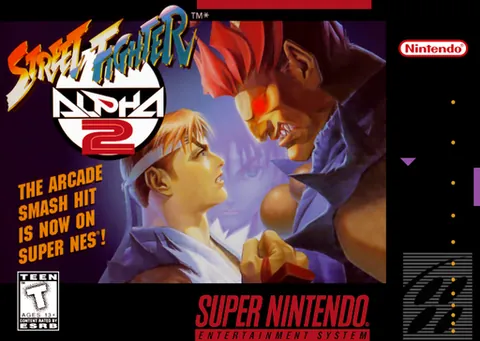 Street Fighter Alpha 2 SNES · Saturn · MAME · 1996
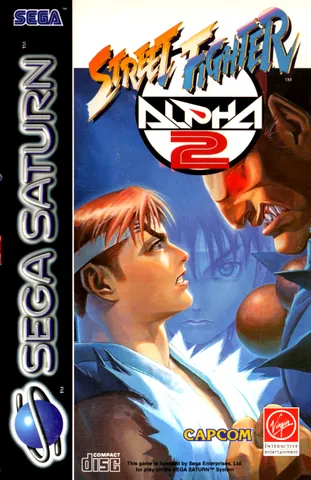 Street Fighter Alpha 2 / 3 Saturn · 1996+
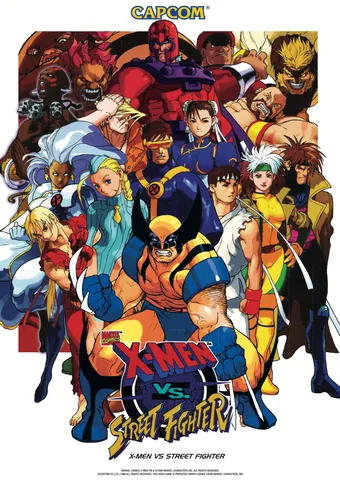 X-Men vs. Street Fighter MAME · Saturn · 1996
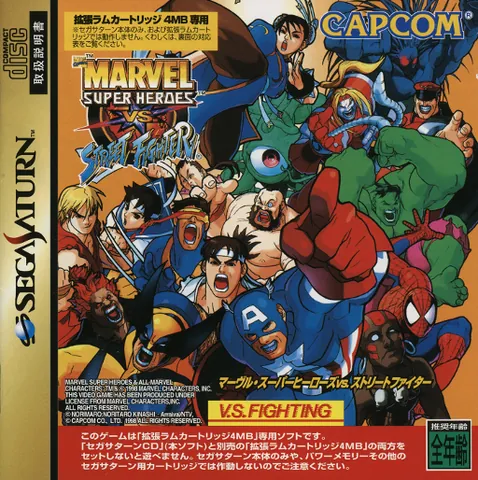 Marvel Super Heroes vs. Street Fighter Saturn · MAME · 1997
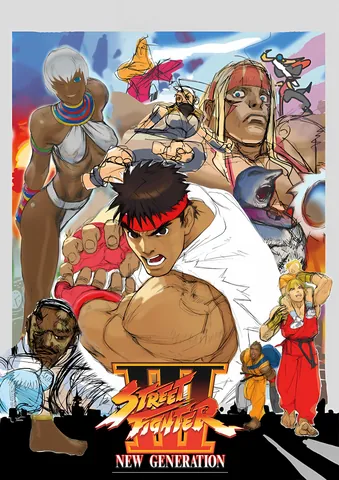 Street Fighter III: New Generation MAME · 1997
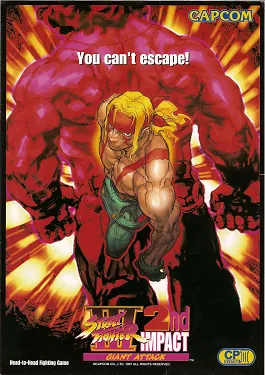 Street Fighter III: 2nd Impact MAME · 1997
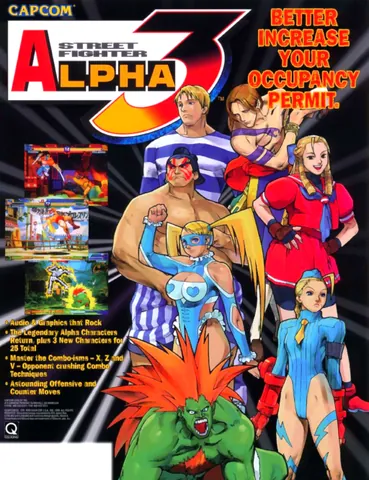 Street Fighter Alpha 3 CPS · PS1 · GBA · 1998