Game studio
Nintendo
Nintendo is without a doubt the most legendary name in all of gaming history, and for retro players it represents something like the holy grail. The Japanese company is behind characters known even to people who have never held a controller in their lives: the plumber Mario, the hero Link, the voracious pink ball Kirby, and the sly Fox McCloud. Nintendo was never merely a maker of consoles; it was and is a workshop of ideas that has for decades defined what it actually means to "play." That is precisely why its name carries such weight among lovers of the classics, whether we are talking about hand-drawn handheld gems or grand adventures on big screens.
History
Nintendo's story is far older than video games themselves. The company was founded in 1889 in Kyoto by Fusajiro Yamauchi as a maker of hanafuda playing cards. For decades it was a traditional card company, and only in the 1960s and 1970s, under the leadership of Hiroshi Yamauchi, did Nintendo begin experimenting with toys and electronic devices.
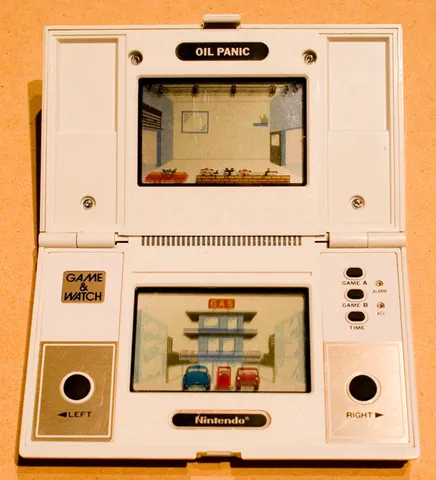
The turning point came at the turn of the 1970s and 1980s. In 1980 Nintendo introduced the Game & Watch line of handheld LCD games, whose simple but addictive titles such as Donkey Kong or the dual-screen Oil Panic became a cult phenomenon and at the same time a breeding ground for design ideas. It was Game & Watch that gave rise to the cross-shaped D-pad controller, which became the standard for the entire industry.
In 1981 Nintendo stormed the arcades with the hit Donkey Kong, in which a mustachioed hero later named Mario appeared for the first time. Two years later, in 1983, the Famicom console launched in Japan, which the world came to know from 1985 as the Nintendo Entertainment System (NES). The NES essentially put the modern gaming industry back on its feet, and classics were born on it such as Super Mario Bros., The Legend of Zelda, and the snappy boxing arcade game brought home, Punch-Out!!.
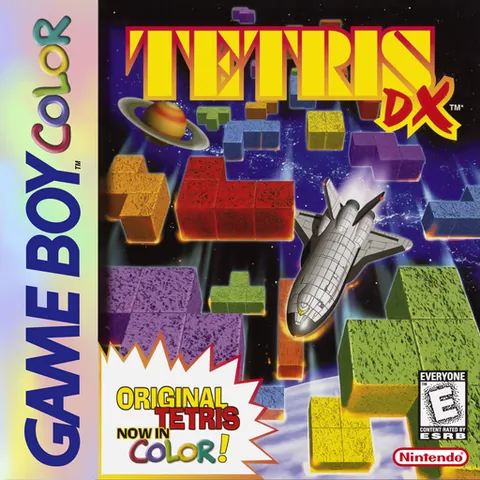
An uninterrupted series of iconic machines followed. In 1989 the handheld Game Boy conquered the world, on which Tetris became a global phenomenon. The Super Nintendo (SNES) from the first half of the 1990s brought the golden era of 2D games, including the excellent Super Punch-Out!!. The Nintendo 64, GameCube, the dual-screen DS, and in 2006 the motion-controlled Wii then took turns pushing the boundaries of technology and gameplay. The Game Boy itself kept evolving: the color Game Boy Color hosted, for instance, a polished version of Tetris DX, and its successor, the Game Boy Advance, offered gems such as Super Mario Advance 4, which brought Super Mario Bros. 3 on the road.
Key figures
The face of Nintendo for decades has been Shigeru Miyamoto, the brilliant designer behind the birth of Mario, Donkey Kong, Zelda, and Pikmin. His approach of "a game must above all be fun" permeates the entire company philosophy.
Alongside him, the legends include Gunpei Yokoi, inventor of the Game & Watch line and father of the Game Boy, whose philosophy of "mature technology used with lateral thinking" inspired generations of creators. Also worth mentioning is Hiroshi Yamauchi, the long-serving president who guided the company through its transformation into a gaming giant, and the charismatic Satoru Iwata, a programmer and later president who led Nintendo through the era of the DS and Wii until his untimely death in 2015.
The music is unforgettable too. Composer Koji Kondo wrote the main themes of Super Mario and Zelda, that is, tones that almost everyone recognizes today.
The present
After more than a hundred and thirty years of existence, Nintendo remains at the top and stays an independent Japanese company headquartered in Kyoto. Its hybrid console, the Switch, introduced in 2017, became one of the best-selling gaming devices ever, and in 2024 the company announced its successor, the Switch 2, which arrived on the market in 2025.
Today's Nintendo has long been about more than just games. The brand expanded into film (the successful animated Super Mario movie from 2023), into theme parks in the form of the Super Nintendo World areas, and into mobile games. Yet the company retains its signature: attention to detail, family-friendly accessibility, and the ability to rediscover the joy of play again and again. What is more, it is a pleasure for retro players that Nintendo does not hide its rich past and offers classics from the NES, SNES, and Game Boy to new generations. The legend from Kyoto thus lives on, just as strong as in the days when Donkey Kong was chased across small LCD screens.
Games by the studio (62)
-
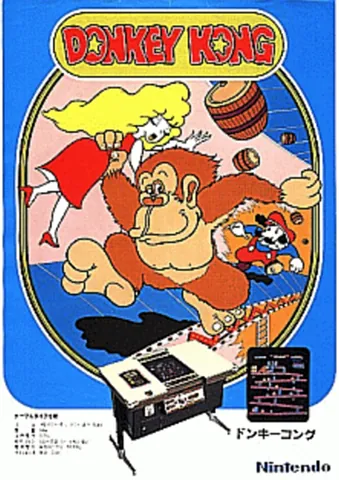
Donkey Kong · 1981
-
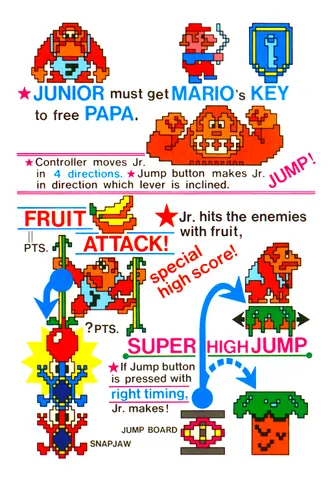
Donkey Kong Jr. · 1982
-
-
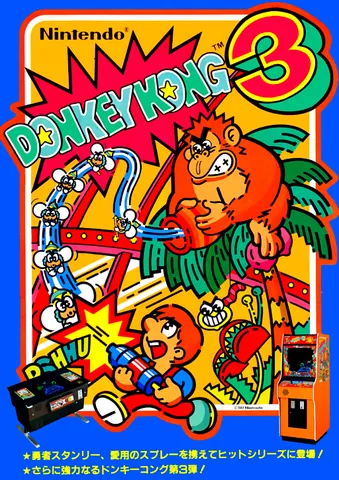
Donkey Kong 3 · 1983
-
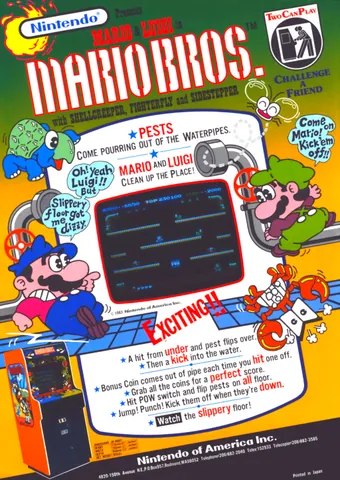
Mario Bros. · 1983
-
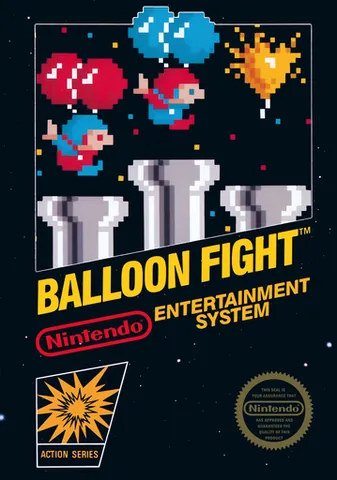
Balloon Fight · 1984
-
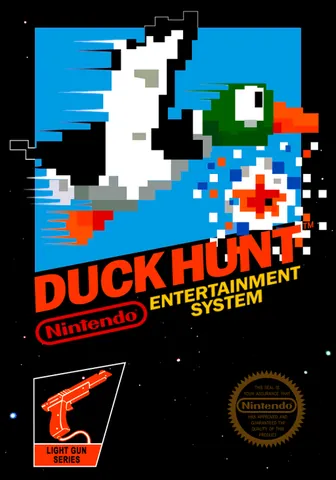
-
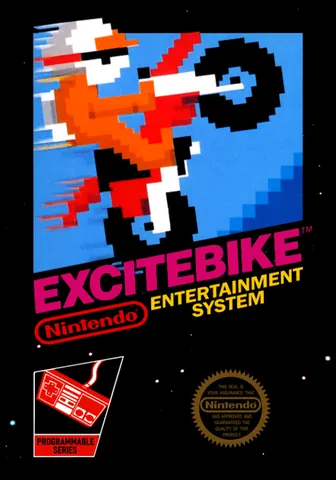
Excitebike · 1984
-
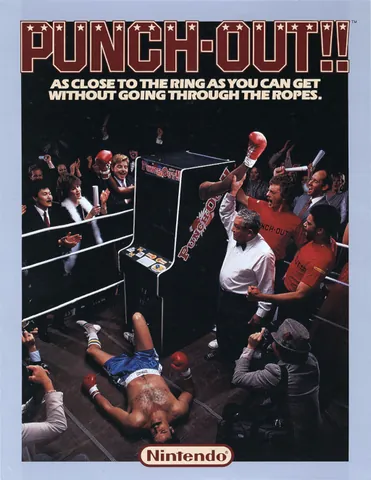
Punch-Out!! · 1984
-
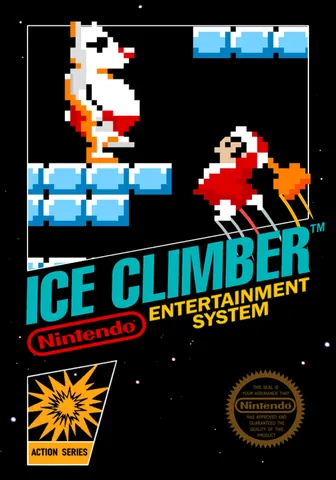
Ice Climber · 1985
-
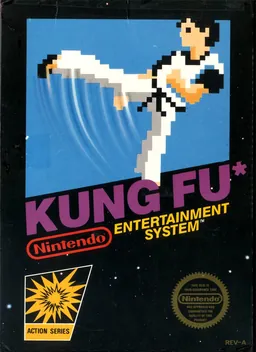
-
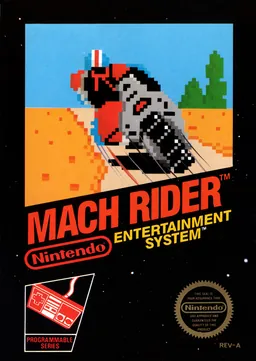
Mach Rider · 1985
-
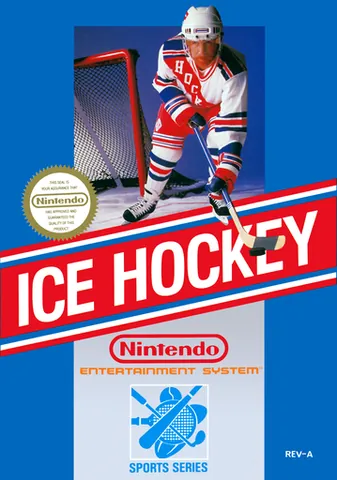
Ice Hockey · 1988
-
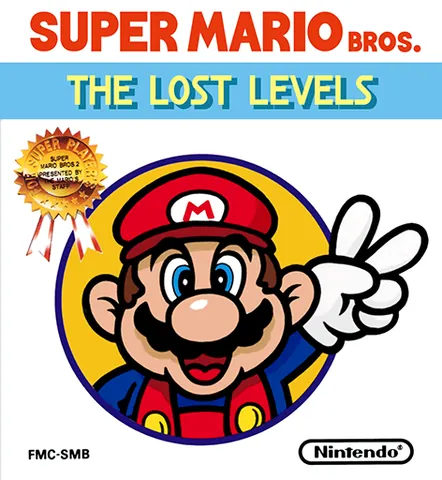
Super Mario Bros. 2 · 1988
-
-
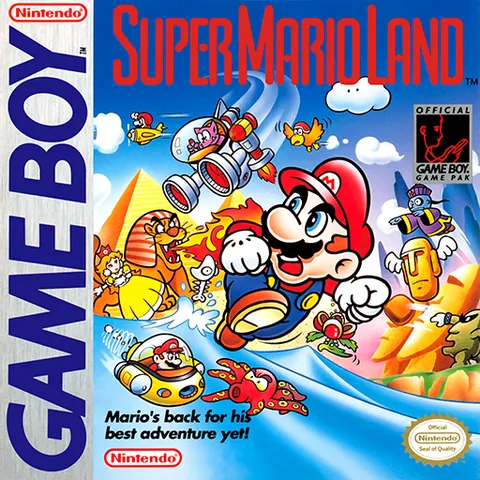
Super Mario Land · 1989
-
-
-
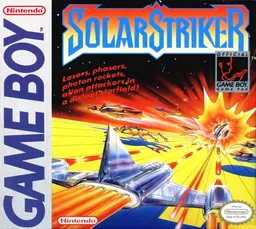
Solar Striker · 1990
-
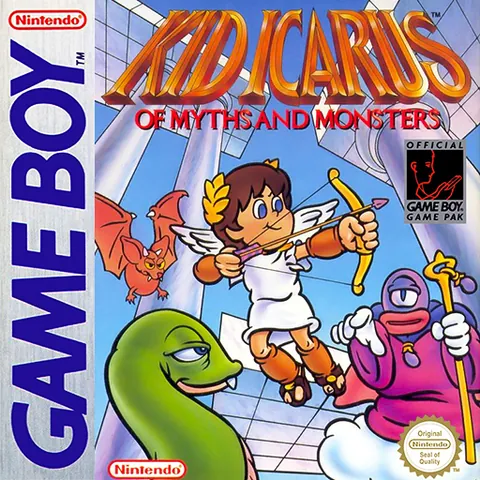
-
-
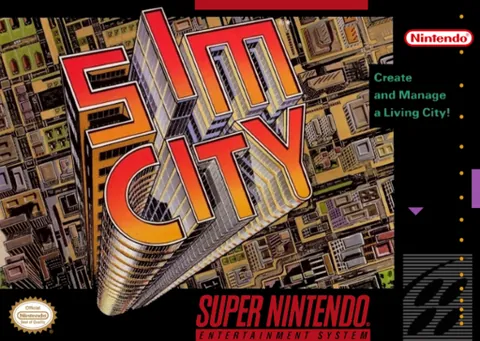
- GB
For the Frog the Bell Tolls · 1992
-
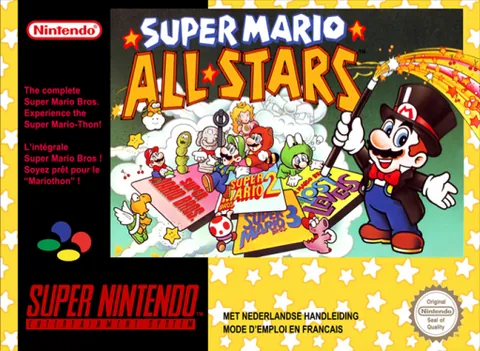
Super Mario All-Stars · 1993
-
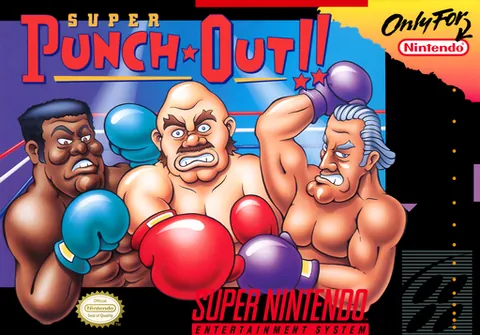
Super Punch-Out!! · 1994
-
-
-
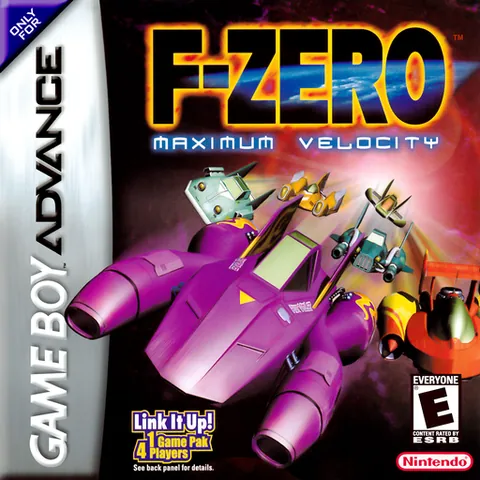
F-Zero: Maximum Velocity · 2001
-
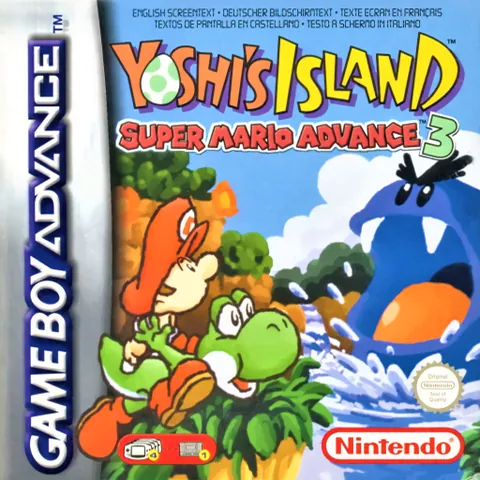
-
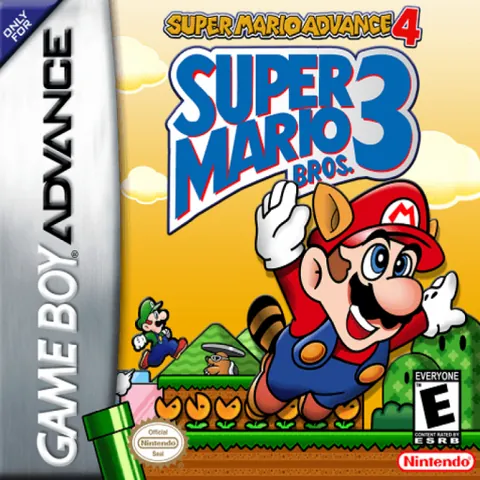
-
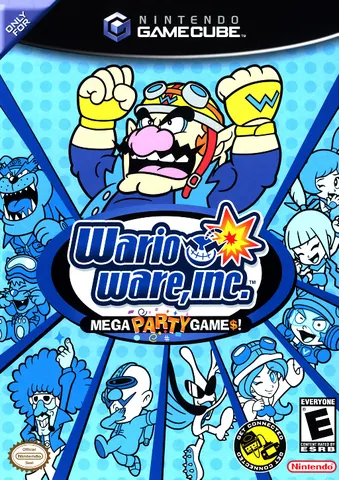
-
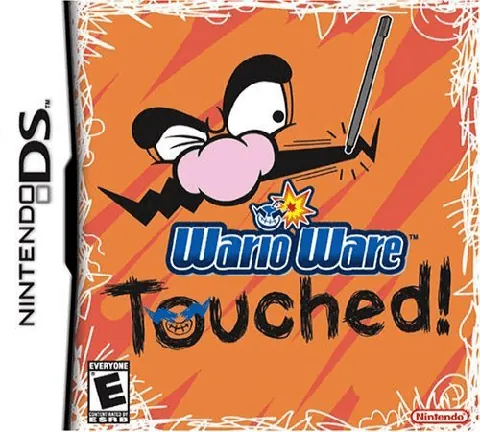
WarioWare: Touched! · 2004
-
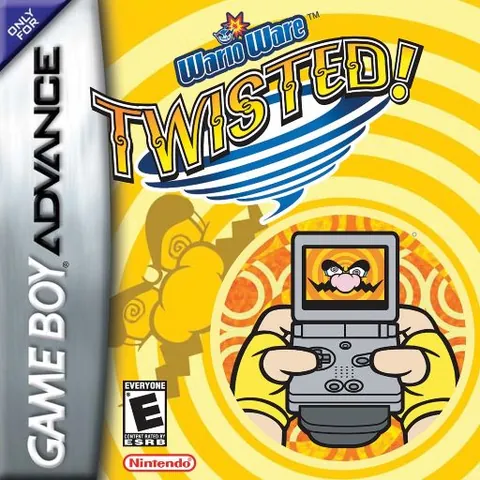
WarioWare: Twisted! · 2004
-
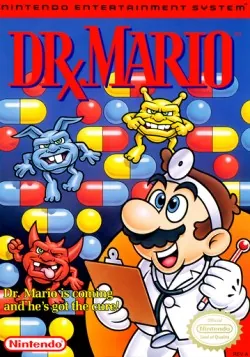
Dr. Mario & Puzzle League · 2005
-
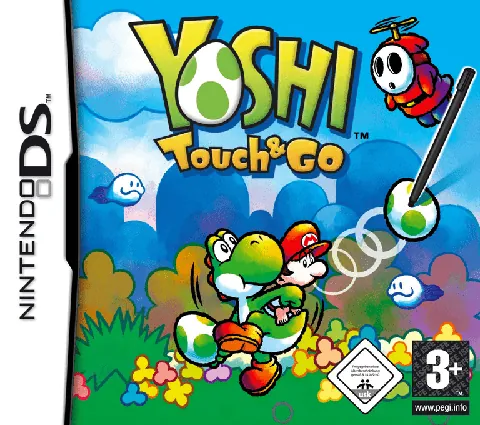
Yoshi Touch & Go · 2005
-
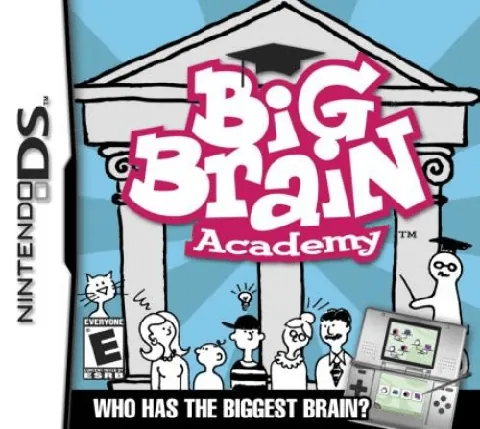
Big Brain Academy · 2006
-
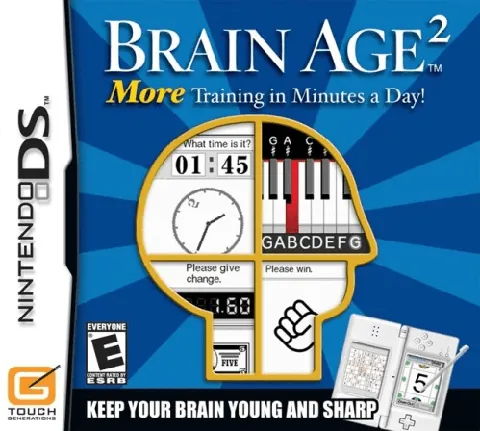
-
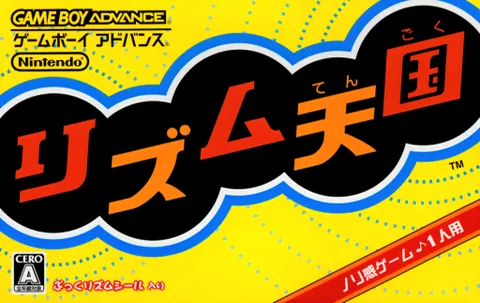
Rhythm Tengoku · 2006
-
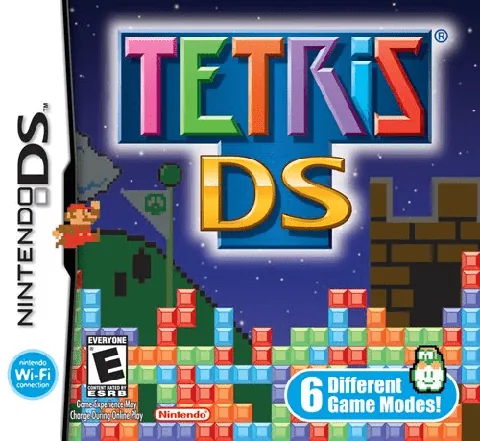
-
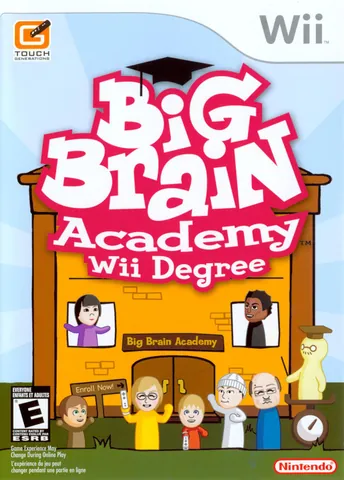
-
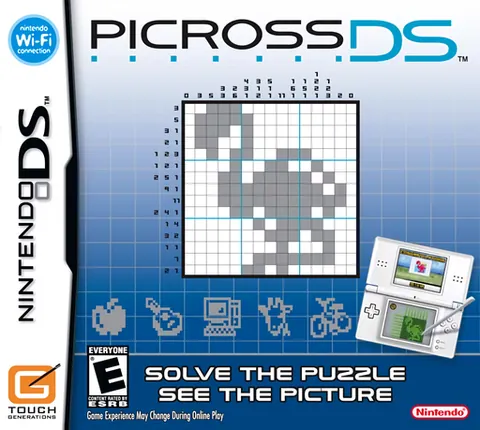
Picross DS · 2007
-
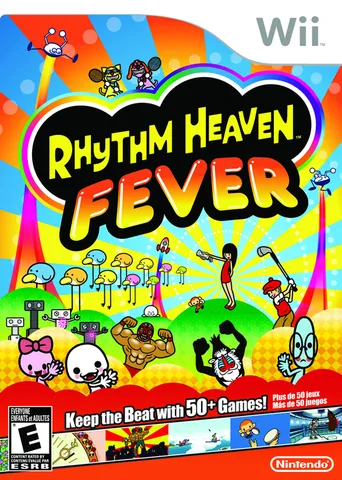
Rhythm Heaven Fever · 2011
-
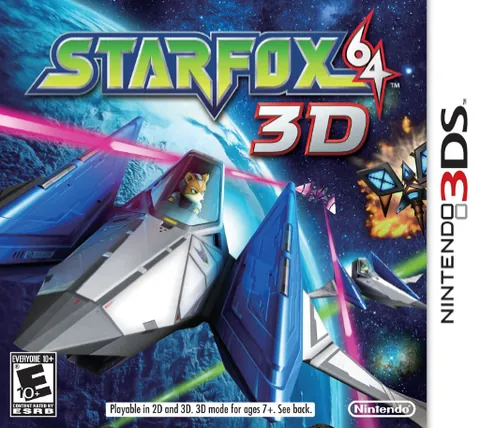
Star Fox 64 3D · 2011
-
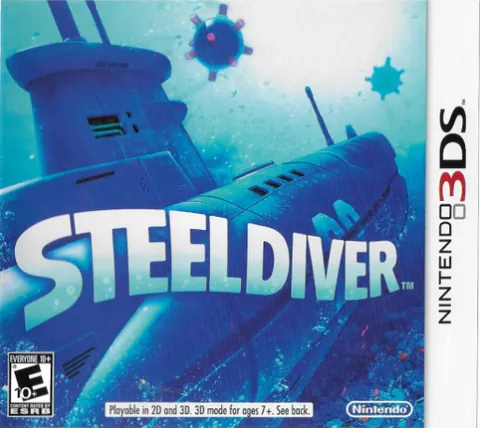
Steel Diver · 2011
-
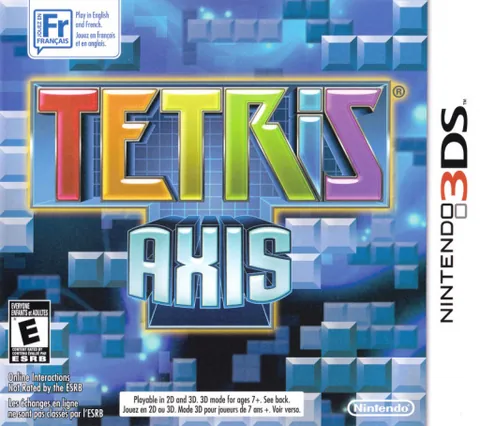
Tetris Axis · 2011
-
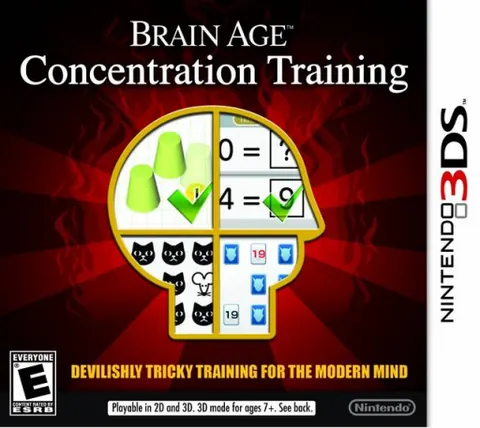
-
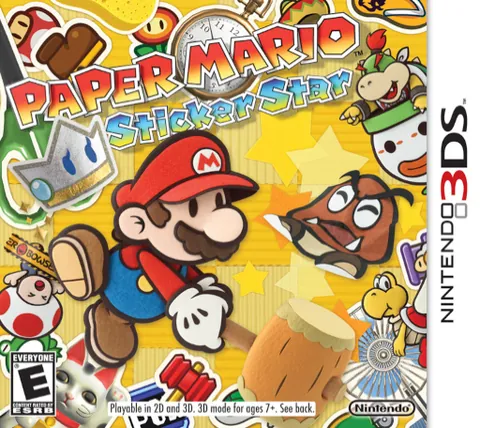
Paper Mario: Sticker Star · 2012
-
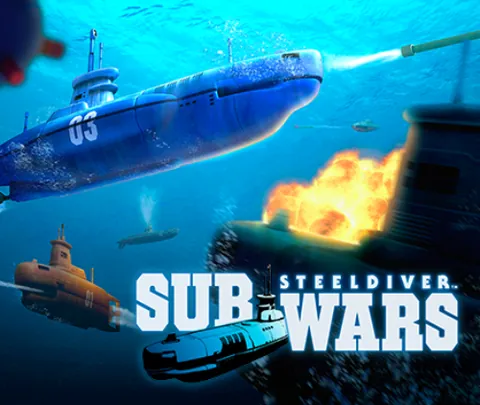
Steel Diver: Sub Wars · 2013
-
-
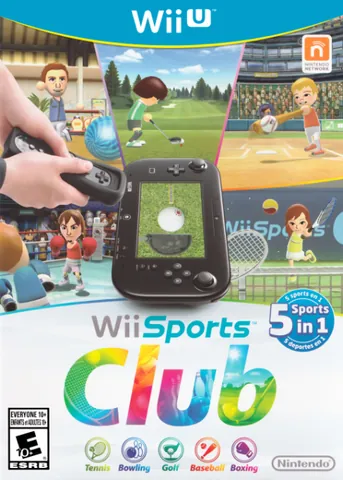
Wii Sports Club · 2013
-
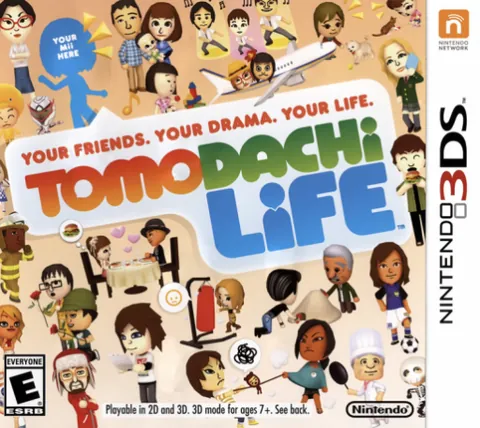
Tomodachi Life · 2014
-
-
-
Super Mario Run · 2016
-
Tank Troopers · 2016
-
-
-
Mario Kart Tour · 2019
- Switch
-