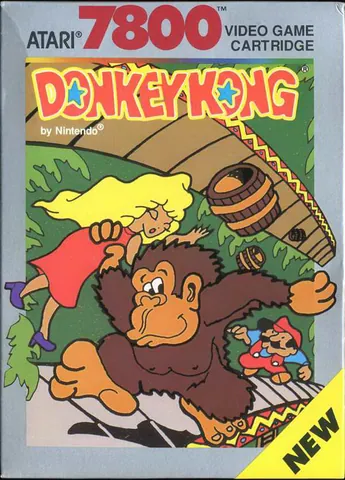
Donkey Kong (7800)
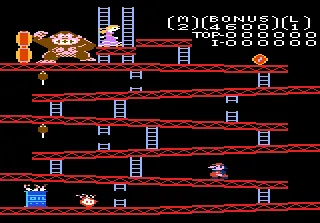
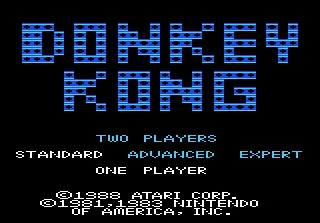
Ladders, barrels rolling from above, and a giant ape that has carried a girl off to the top of a construction site. Donkey Kong is the archetype of the platformer, a story where a little hero climbs upward against everything the opponent throws at him. On the Atari 7800 this classic gets a home echo.
The original Donkey Kong was created for Nintendo in 1981 by Shigeru Miyamoto, and it was the title that introduced the world to a character later named Mario. The player controls a carpenter who climbs the floors of a structure, dodges barrels and fiery obstacles, and tries to reach the captive Pauline. The conversion for the Atari 7800 brought this iconic gameplay to a console that could display more colorful graphics and a larger number of objects than the previous generation.
The charm of Donkey Kong lies in the tension between precision and speed. Every jump over a rolling barrel has to come at the right moment, the hammer gives a brief chance for offense, and the ascent upward is the reward for mastering the screen's rhythm. The game divided the challenge into several types of levels that repeat and speed up as difficulty grows.
The Atari 7800 ProSystem came out in the mid-1980s as a response to the rise of competition, and its strength was precisely the fidelity of arcade conversions. Donkey Kong on it was one of the proofs that the console could bring arcade hits decently close to the original.
Culturally, Donkey Kong is one of the most important titles in history. It laid the foundations of the entire Nintendo brand, gave rise to Mario and to Donkey Kong himself as lasting icons, and defined the platformer genre for the coming decades.
Why play: To play the roots of the entire platformer tradition where it all began - with barrels, ladders, and a giant ape.
Game 9 of 37 for Atari 7800
The same title elsewhere (6)
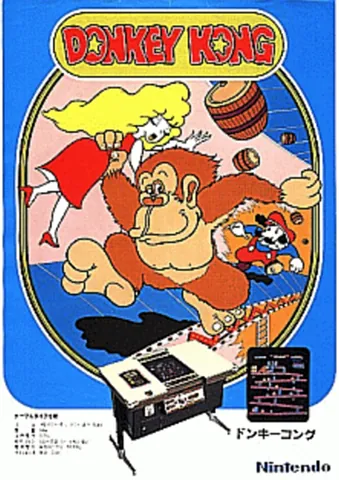
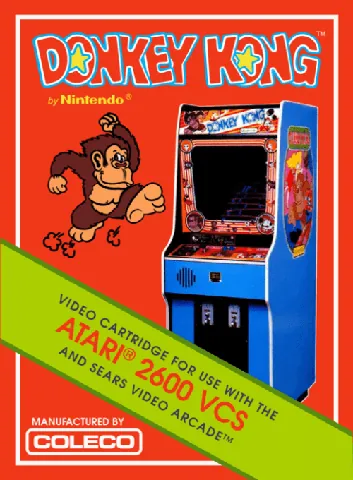
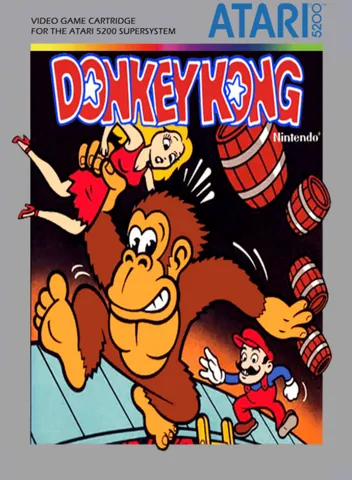
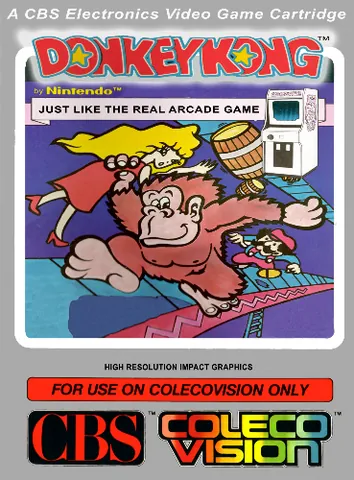
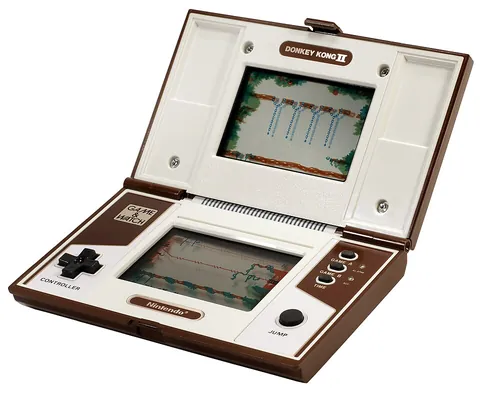
Nintendo's 1981 arcade original featured four stages – ladders, rolling barrels, elevator platforms and the rivet floor – and became the yardstick every home conversion was measured against. The 1982 ColecoVision version was remarkably accurate for its time in both looks and feel and became the main reason people bought the console, though cartridge memory limits forced it to drop one of the arcade's four stages. The pack-in cartridge bundled with the Atari 7800 offered its own solid rendition close to the original, though it still fell short of the arcade's smoothness and detail. Anyone wanting the complete game with every stage should reach for an arcade emulation.
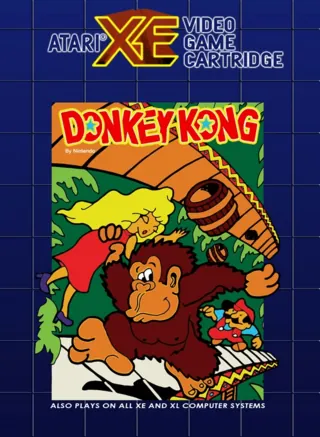
From the same series Donkey Kong →
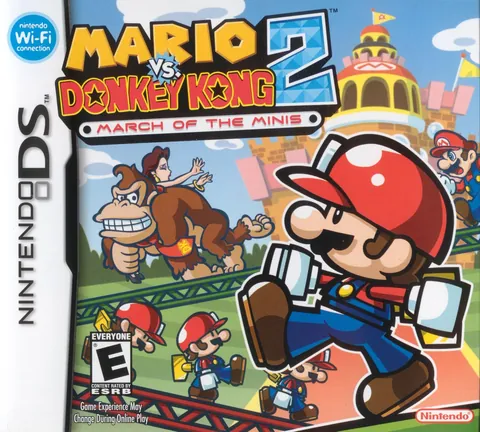 Mario vs. Donkey Kong 2: March of the Minis DS
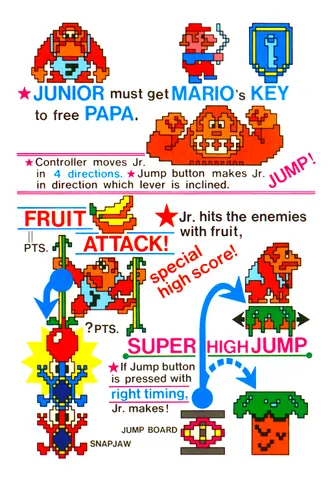 Donkey Kong Jr. MAME · G&W · 1982
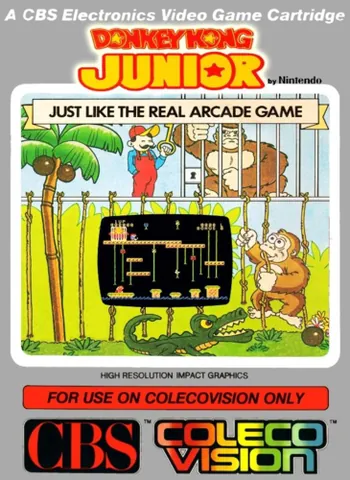 Donkey Kong Junior Coleco · 1982
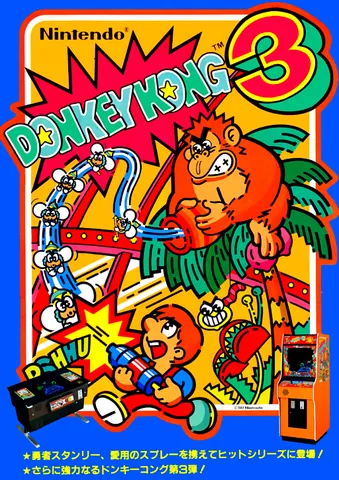 Donkey Kong 3 MAME · 1983
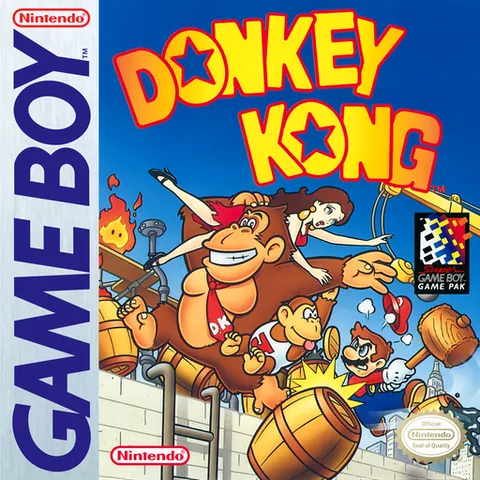 Donkey Kong (1994 / "Donkey Kong '94") GB · 1994
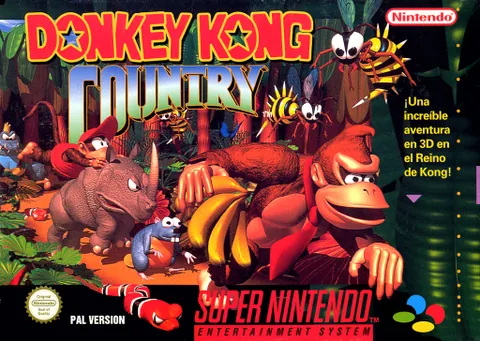 Donkey Kong Country 1–3 SNES · 1994–1996
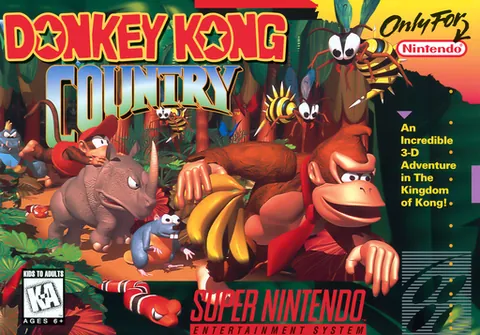 Donkey Kong Country SNES · GBC · GBA · 1994
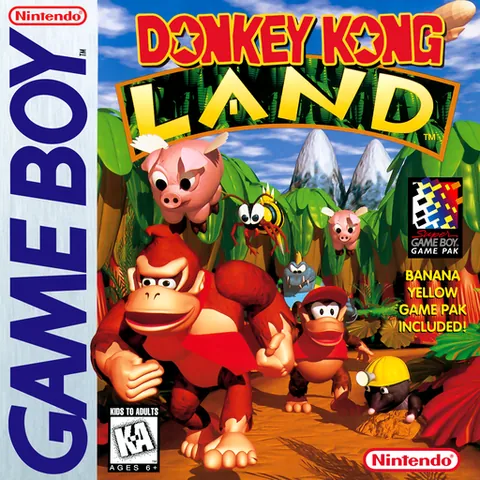 Donkey Kong Land GB · 1995
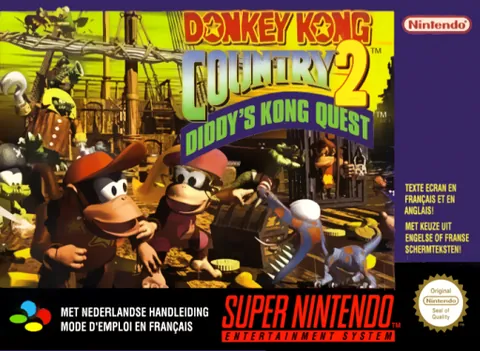 Donkey Kong Country 2 SNES · GBA · 1995
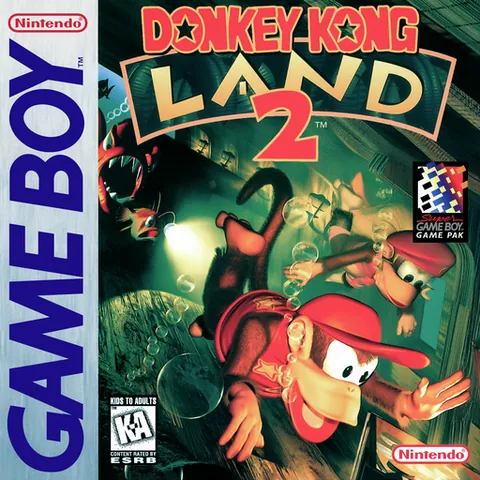 Donkey Kong Land 2 GB · 1996
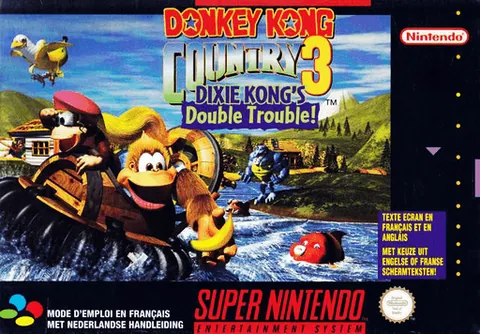 Donkey Kong Country 3 SNES · GBA · 1996
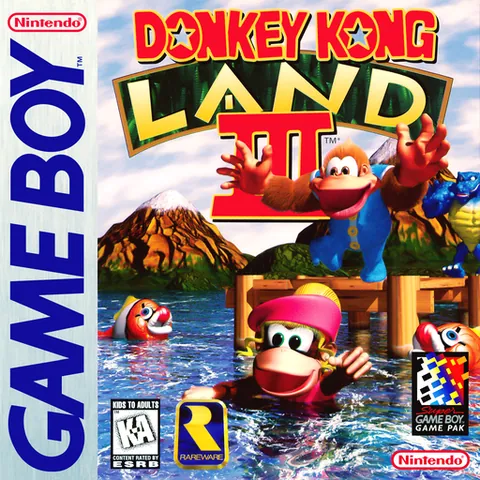 Donkey Kong Land III GB · 1997