Donkey Kong (G&W)
There are games that are fun, and games that change an entire industry — and Donkey Kong in its Game & Watch version clearly belongs to the second group. This 1982 device was not just a clever pocket adaptation of the famous arcade game but the cradle of one of the most important inventions in the history of game controls altogether.
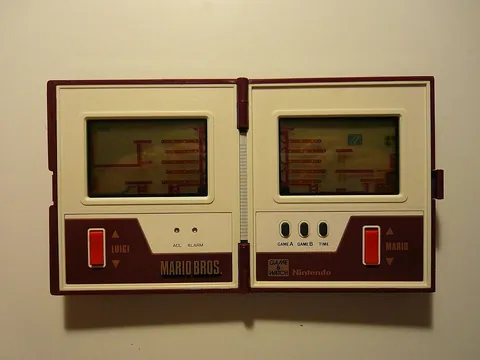
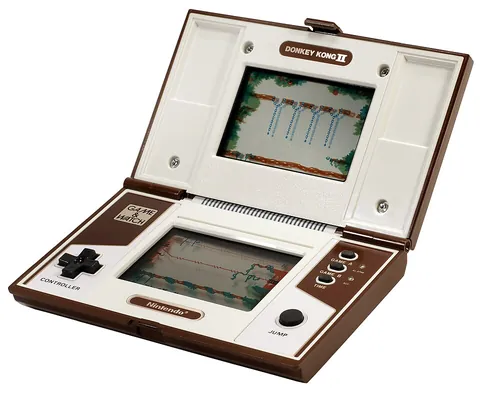
From a gameplay standpoint, it is a condensed version of the arcade Donkey Kong. As Mario you climb up the structure, dodge obstacles, and try to reach the kidnapped girl while the giant gorilla makes your path harder. The Game & Watch version cleverly recast the arcade experience into a limited LCD format and spread the action across the two screens of the fold-out device.
And this is exactly where two fundamental milestones come in. Donkey Kong was the first dual-screen Game & Watch of the "multi screen" type — a fold-out construction with two displays, which decades later directly inspired the Nintendo DS concept. Even more importantly, Gunpei Yokoi invented the D-pad here, the cross-shaped directional controller. This unassuming plate with four directions became the worldwide standard that you have since found on practically every game controller on the planet.
The cultural significance of this device is therefore hard to overstate. The D-pad fundamentally changed how players control games — it replaced clumsy joysticks and levers with an elegant, intuitive solution that caught on immediately and has survived to this day. The fact that it was born on a small pocket Game & Watch with Donkey Kong is one of the best pieces of trivia in all of gaming history.
Donkey Kong as a brand was, moreover, one of the pillars on which Nintendo built its popularity, and its portable version helped spread the fame of the gorilla and Mario into the palms of players' hands. The combination of an iconic character, technical innovation, and design genius makes it one of the most significant titles of the entire series.
Why play: Because you are holding in your hand the device on which the D-pad and the idea of two screens were born — a piece of gaming history in the form of a brisk pocket classic.
Game 5 of 17 for Nintendo Game & Watch
The same title elsewhere (6)
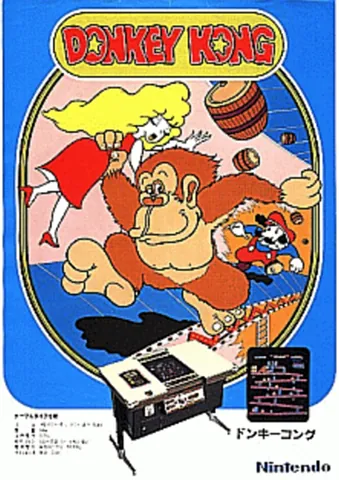
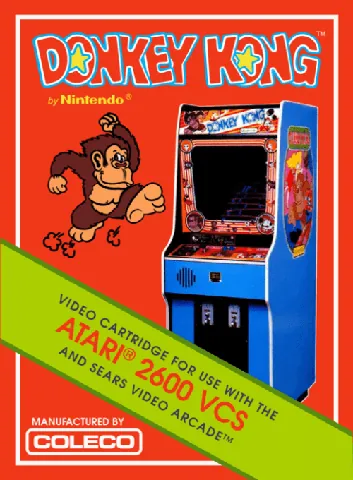
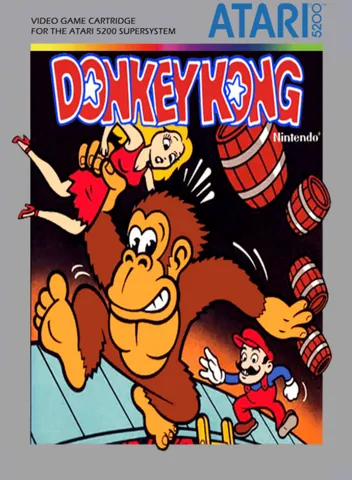
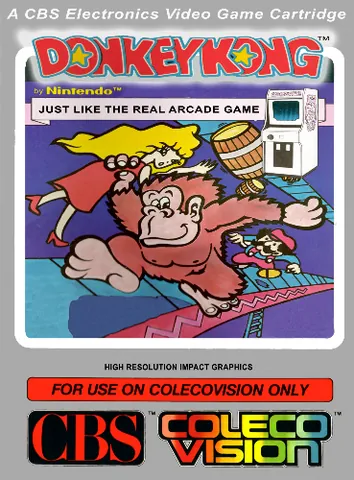
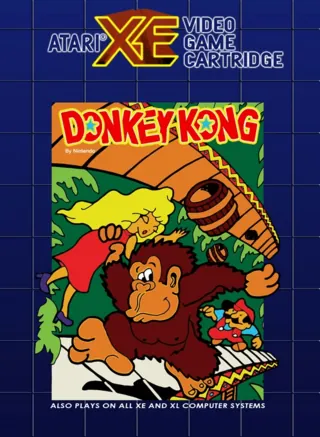
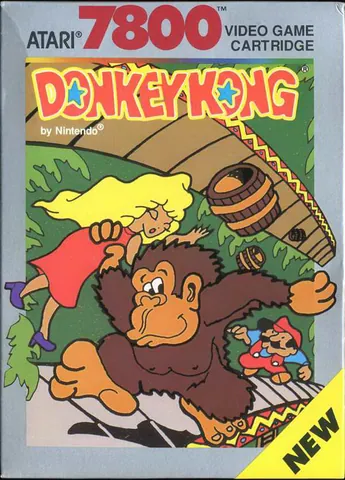
Nintendo's 1981 arcade original featured four stages – ladders, rolling barrels, elevator platforms and the rivet floor – and became the yardstick every home conversion was measured against. The 1982 ColecoVision version was remarkably accurate for its time in both looks and feel and became the main reason people bought the console, though cartridge memory limits forced it to drop one of the arcade's four stages. The pack-in cartridge bundled with the Atari 7800 offered its own solid rendition close to the original, though it still fell short of the arcade's smoothness and detail. Anyone wanting the complete game with every stage should reach for an arcade emulation.
From the same series Donkey Kong →
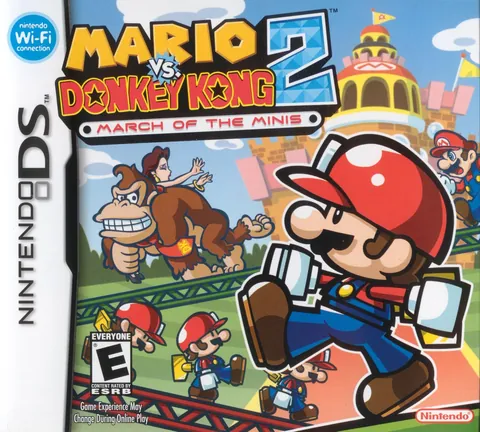 Mario vs. Donkey Kong 2: March of the Minis DS
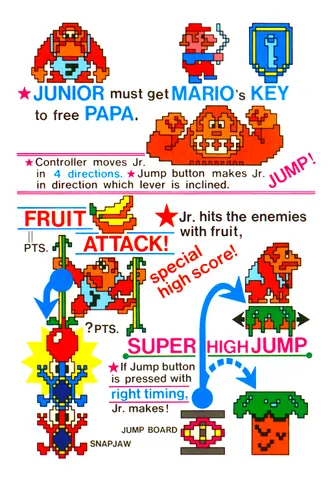 Donkey Kong Jr. MAME · G&W · 1982
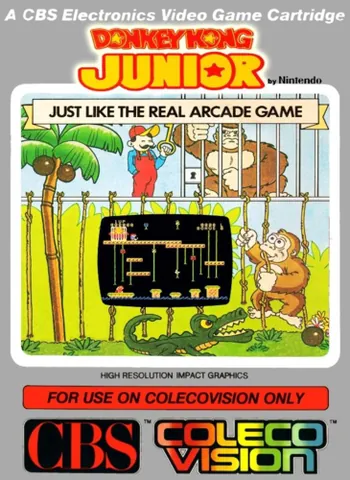 Donkey Kong Junior Coleco · 1982
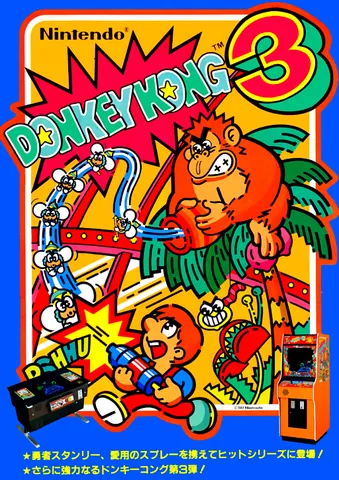 Donkey Kong 3 MAME · 1983
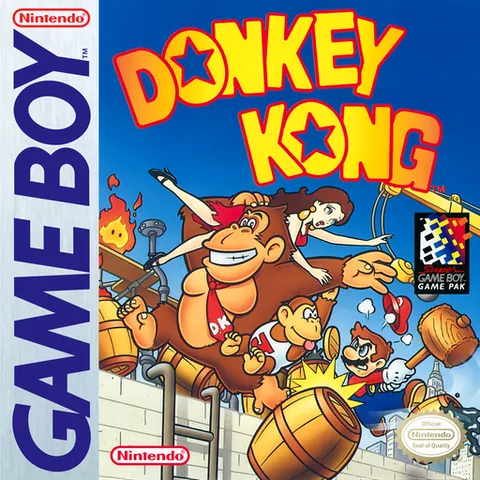 Donkey Kong (1994 / "Donkey Kong '94") GB · 1994
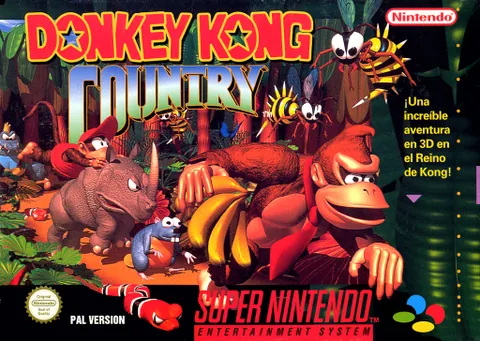 Donkey Kong Country 1–3 SNES · 1994–1996
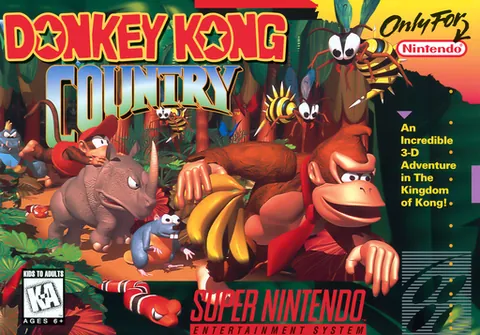 Donkey Kong Country SNES · GBC · GBA · 1994
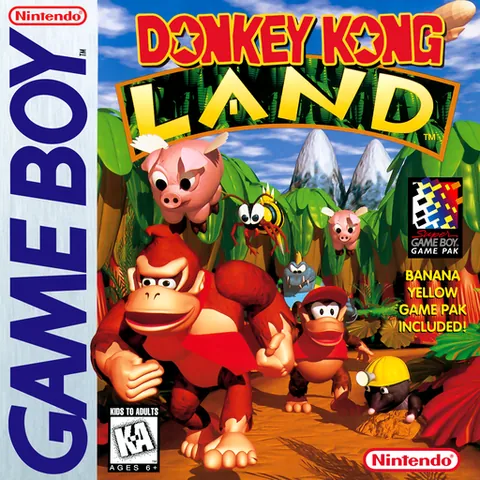 Donkey Kong Land GB · 1995
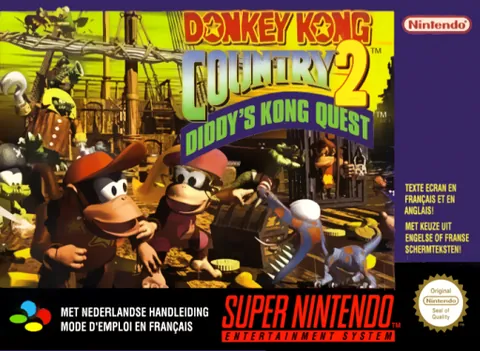 Donkey Kong Country 2 SNES · GBA · 1995
 Donkey Kong Land 2 GB · 1996
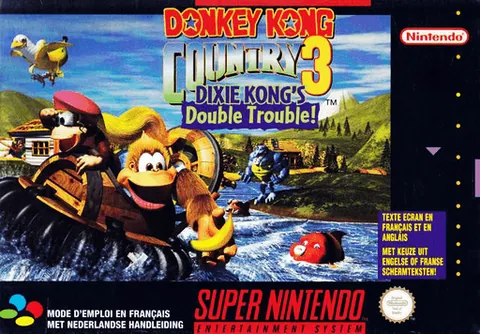 Donkey Kong Country 3 SNES · GBA · 1996
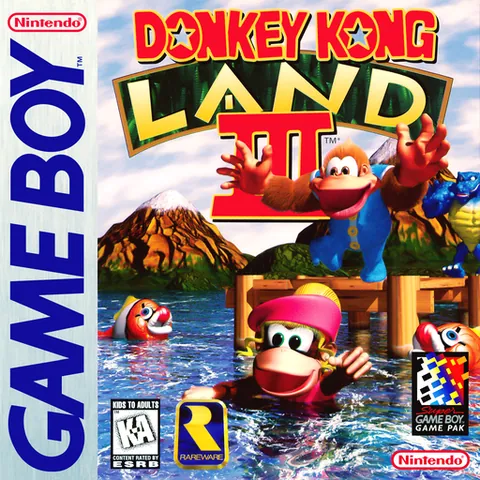 Donkey Kong Land III GB · 1997