Franchises
Donkey Kong
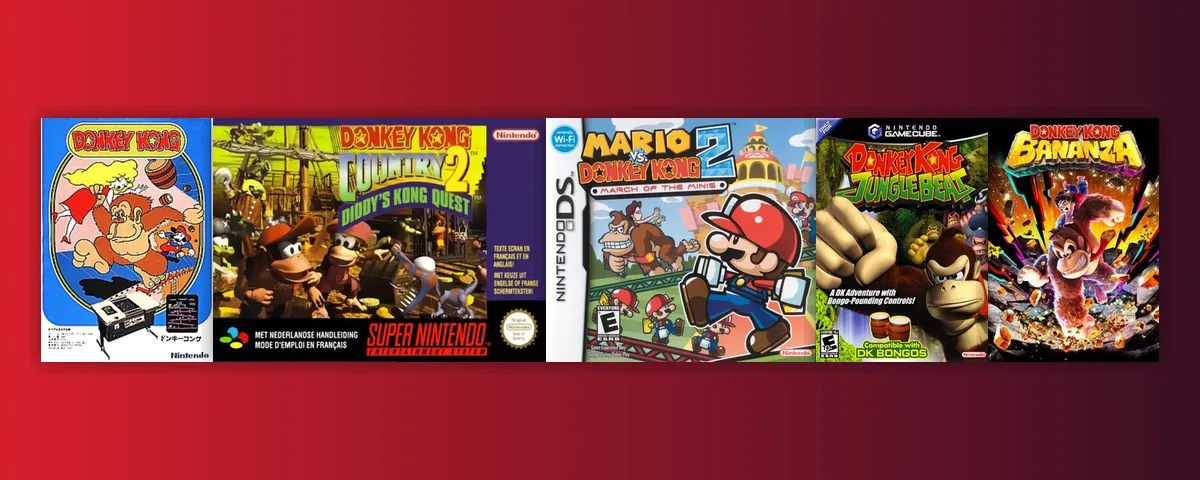
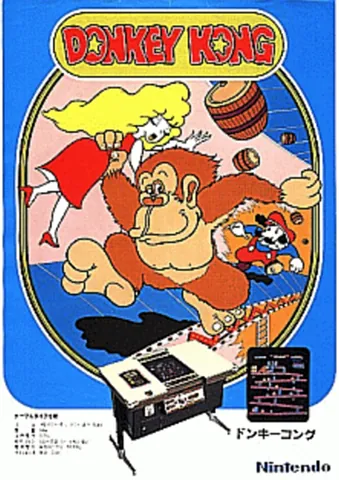
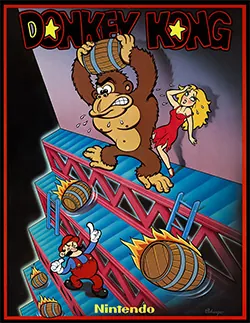
The Donkey Kong series began in 1981 with the arcade game of the same name from Nintendo, designed by Shigeru Miyamoto. Playing a carpenter named Jumpman — later renamed Mario — the player climbed platforms and leapt over barrels to rescue a girlfriend kidnapped by the gorilla Donkey Kong. The game became one of the founding titles of the platformer genre and was ported to a wide range of home systems of the era, from the Atari 2600, 5200 and 7800 through various 8-bit home computers to the ColecoVision. The arcade cabinet offered four distinct screens that took the player from the barrel-strewn construction site up to a final confrontation at the top, a structure that became a template for countless platformers afterward. Nintendo quickly followed up with Donkey Kong Jr. (1982), which reversed the roles and had the player control the gorilla's son trying to free his kidnapped father, and Donkey Kong 3 (1983), which shifted the series toward a shooting game and landed far more quietly with players and critics.
After 1983, Donkey Kong retreated into the background for a long time, mostly serving as a supporting character in the Mario universe, appearing in arcade compilations or on handheld Game & Watch units. A proper return came only in 1994 with Donkey Kong for the Game Boy — a clever puzzle-platformer that expanded the four original arcade stages into dozens of new ones with more elaborate mechanics built around acrobatics and precise timing, and it is still regarded as one of the finest titles on that console.
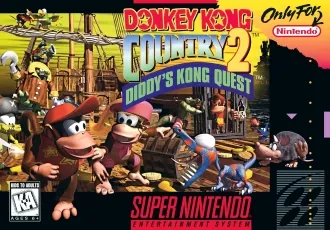
The real renaissance for the series, though, came from Rare's Donkey Kong Country for the SNES, also released in 1994. Thanks to pre-rendered 3D character and environment models, created on powerful Silicon Graphics workstations and then converted into two-dimensional sprites, which looked stunning at the time, and the introduction of the new character Diddy Kong, the game became one of the best-selling titles of its generation and defined the series for years to come. It was followed by Donkey Kong Country 2: Diddy's Kong Quest (1995) and Donkey Kong Country 3: Dixie Kong's Double Trouble (1996), which together with the first game still form a trilogy widely regarded as the peak of the series' classic era. Rare added a string of spin-offs on top of that — the racing game Diddy Kong Racing (1997), the sprawling 3D platformer Donkey Kong 64 (1999) with several playable Kongs and a heavily collectible-driven design, and the Donkey Konga rhythm series played with bongo controllers.
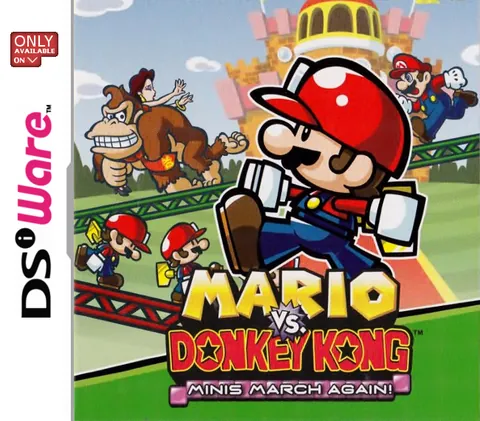
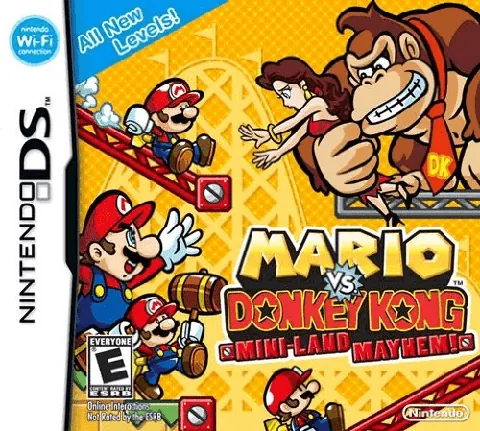
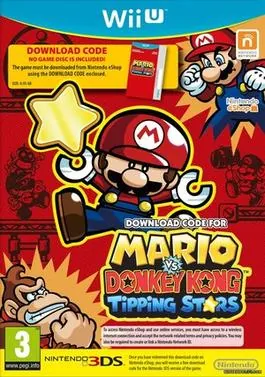
The turning point came in 2002, when Microsoft bought Rare and creative direction of the series moved back under Nintendo. This gave rise to a new spin-off line, Mario vs. Donkey Kong, launched in 2004 on the Game Boy Advance, built around puzzle-platforming separate from the main series and centred on Mario chasing Donkey Kong through levels full of intricate mechanisms.
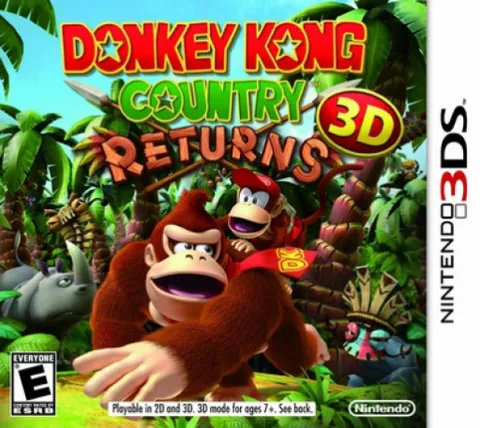
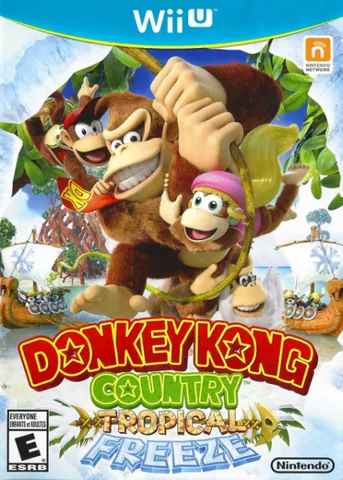
The core series was then revived by the American studio Retro Studios with Donkey Kong Country Returns (2010, Wii) and Donkey Kong Country: Tropical Freeze (2014, Wii U, later ported to Switch), which returned to the classic side-scrolling style and became known for their tough, precisely tuned difficulty. The series' legacy has continued into the mid-2020s, with Donkey Kong receiving a major new 3D adventure — proof that the character remains one of Nintendo's longest-serving icons across more than four decades of existence.
Entries in the series (30)
-
-
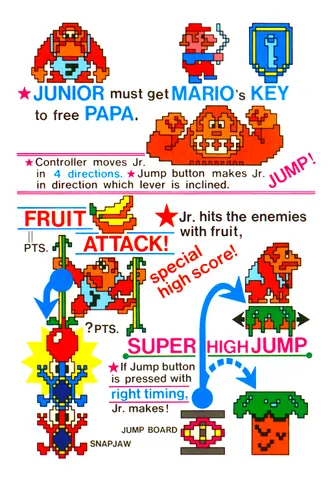
Donkey Kong Jr. · 1982
-
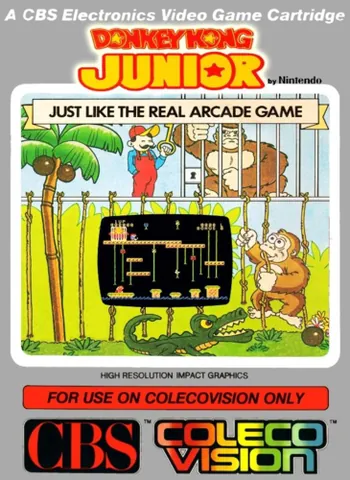
Donkey Kong Junior · 1982
-
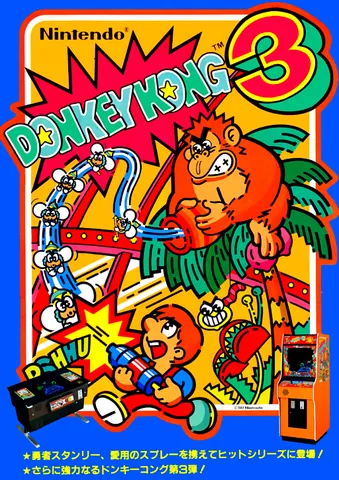
Donkey Kong 3 · 1983
-
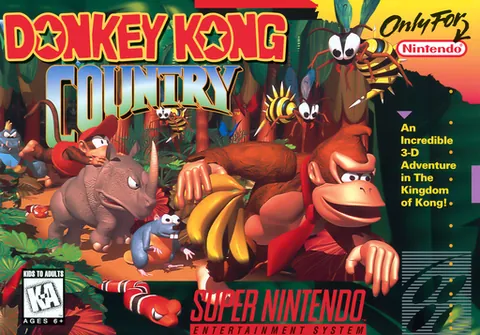
Donkey Kong Country · 1994
-
Donkey Kong Country 1–3 · 1994
-
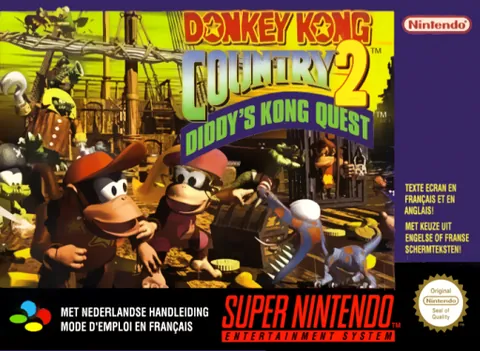
Donkey Kong Country 2 · 1995
-
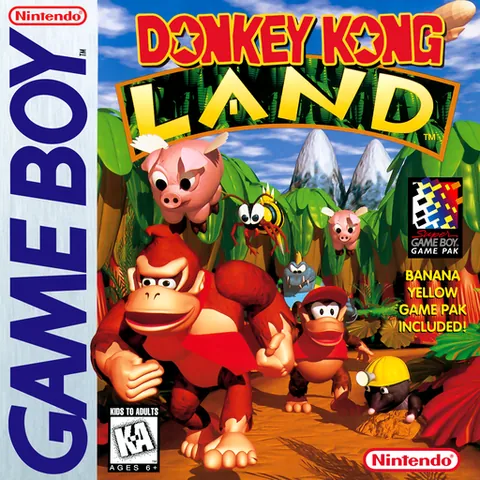
Donkey Kong Land · 1995
-
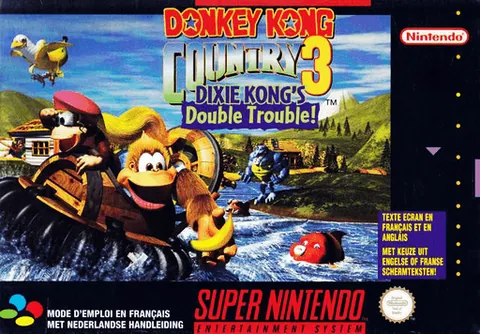
Donkey Kong Country 3 · 1996
-
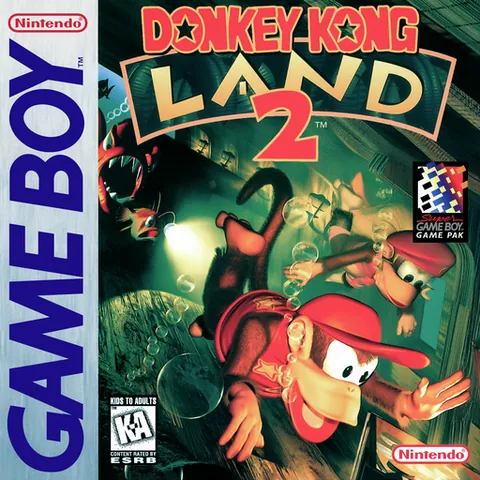
Donkey Kong Land 2 · 1996
-
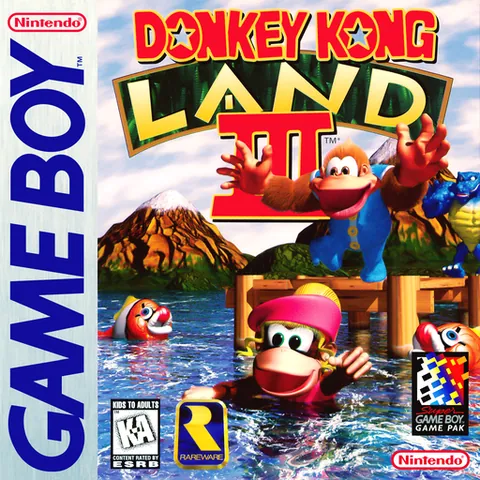
Donkey Kong Land III · 1997
-
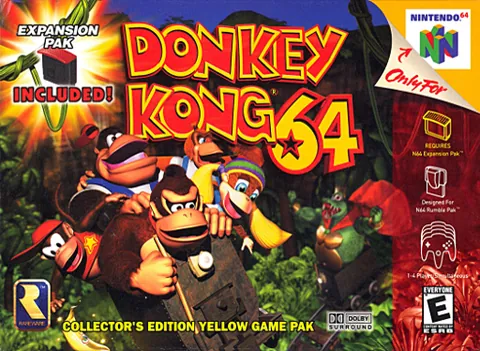
Donkey Kong 64 · 1999
-
-
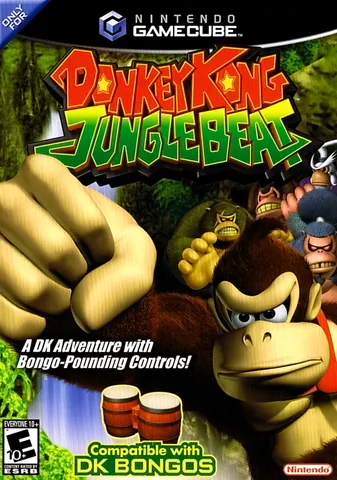
Donkey Kong Jungle Beat · 2004
-
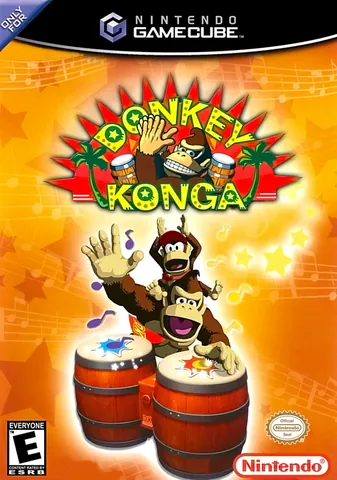
Donkey Konga · 2004
-
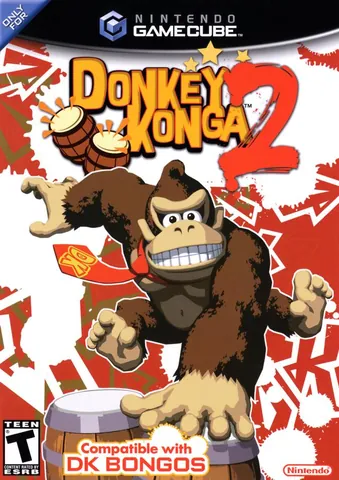
Donkey Konga 2 · 2004
-
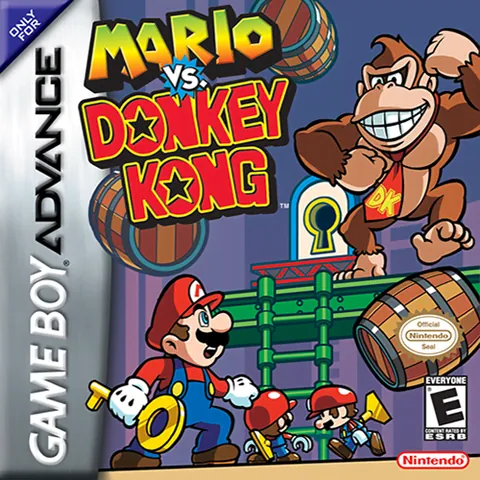
Mario vs. Donkey Kong · 2004
-
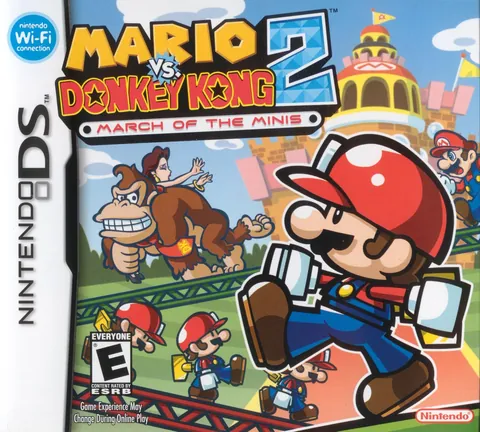
-
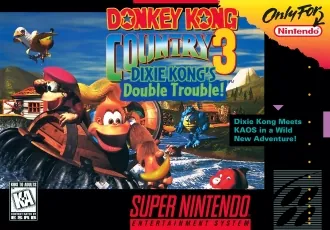
-
Donkey Kong: King of Swing · 2005
-
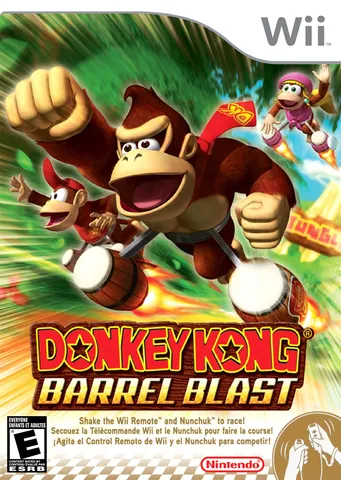
Donkey Kong Barrel Blast · 2007
-
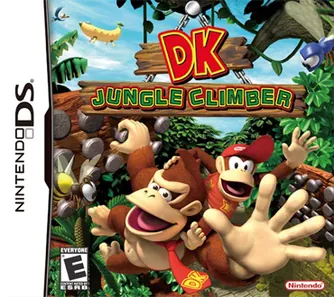
Donkey Kong: Jungle Climber · 2007
-
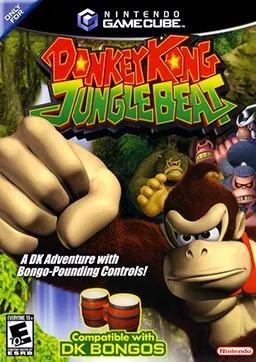
-
-
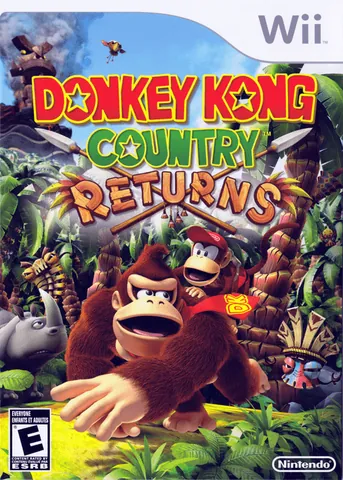
Donkey Kong Country Returns · 2010
-
-
-
-
-
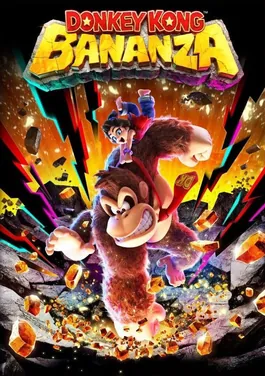
Donkey Kong Bananza · 2025