Donkey Kong
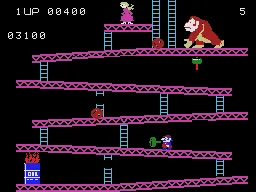
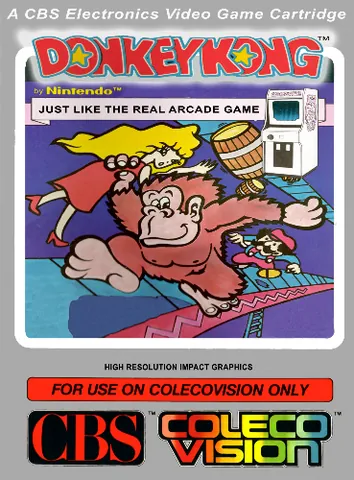
Consoles don't sell themselves — games sell them. And for the ColecoVision, the decisive draw was the bundled Donkey Kong, the killer app that gave people a reason to reach for this console in particular.
Donkey Kong is an arcade classic from 1982 in which, as Mario (then still called Jumpman), you climb up a girder structure, dodge tumbling barrels and try to rescue a kidnapped girl from the clutches of a giant gorilla. A simple idea with brilliant execution — the interplay of jumping, timing and rising difficulty makes Donkey Kong one of the cornerstones of the entire platformer genre.
On the ColecoVision, it was staggering for 1982 just how faithful the port was to the arcade original. The fidelity of both graphics and gameplay far exceeded the capabilities of the then-dominant Atari 2600, and this very difference was the key selling point for Coleco. Players saw that on this console they could have the arcade at home in a quality they couldn't get anywhere else.
Donkey Kong is also a symbol of why the ColecoVision succeeded — albeit only briefly, before the great video game crash of the mid-1980s swept the market away. For Nintendo it was the game that kicked off the era of characters like Mario, and thereby indirectly one of the most influential careers in the history of the medium.
If you want to understand why the fight over home ports of arcade games was so crucial in the 1980s, and play a timeless platforming classic while you're at it, the ColecoVision version is the ideal entry point.
Why play: For a timeless arcade classic and a killer app that, through its faithfulness to the original, sold the entire ColecoVision.
Game 1 of 16 for ColecoVision
The same title elsewhere (6)
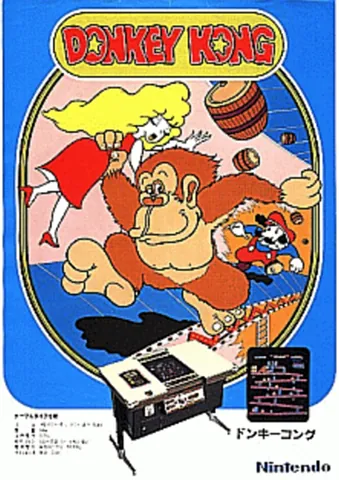
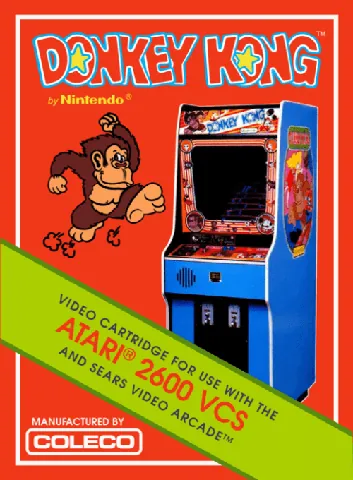
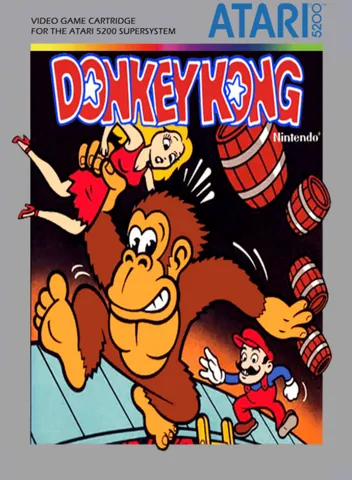
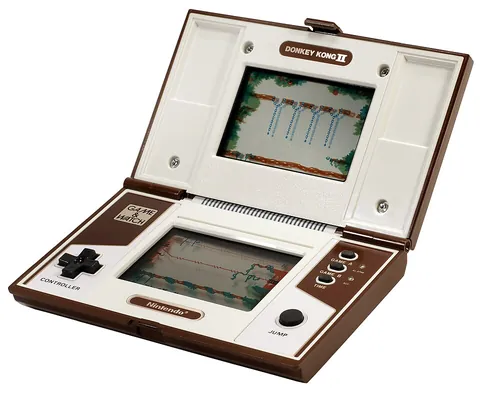
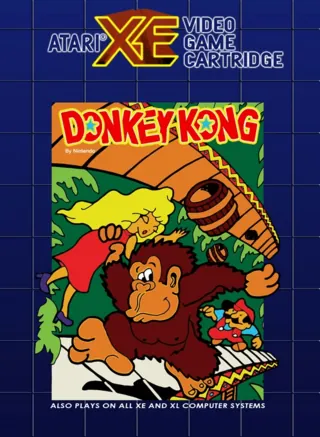
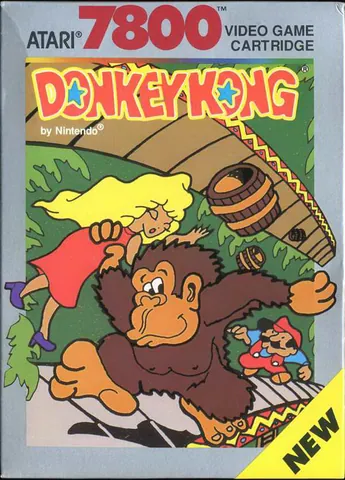
Nintendo's 1981 arcade original featured four stages – ladders, rolling barrels, elevator platforms and the rivet floor – and became the yardstick every home conversion was measured against. The 1982 ColecoVision version was remarkably accurate for its time in both looks and feel and became the main reason people bought the console, though cartridge memory limits forced it to drop one of the arcade's four stages. The pack-in cartridge bundled with the Atari 7800 offered its own solid rendition close to the original, though it still fell short of the arcade's smoothness and detail. Anyone wanting the complete game with every stage should reach for an arcade emulation.
From the same series Donkey Kong →
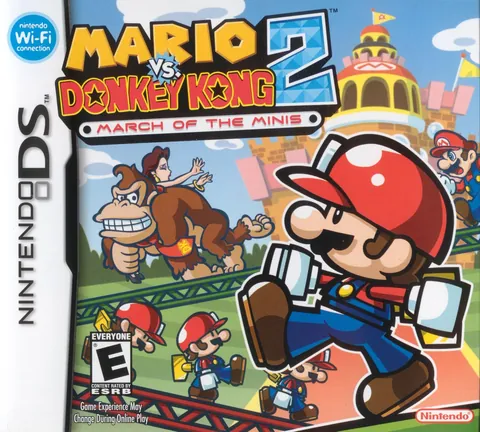 Mario vs. Donkey Kong 2: March of the Minis DS
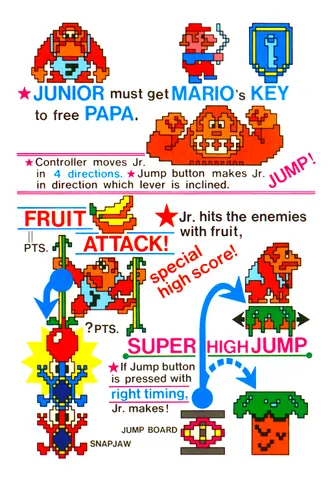 Donkey Kong Jr. MAME · G&W · 1982
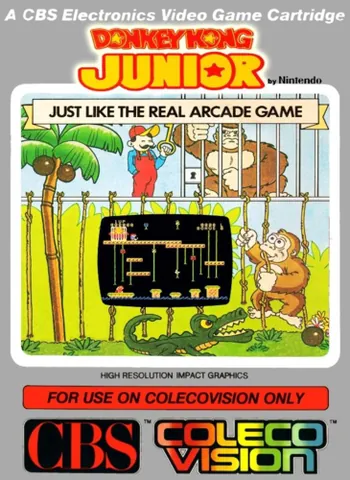 Donkey Kong Junior Coleco · 1982
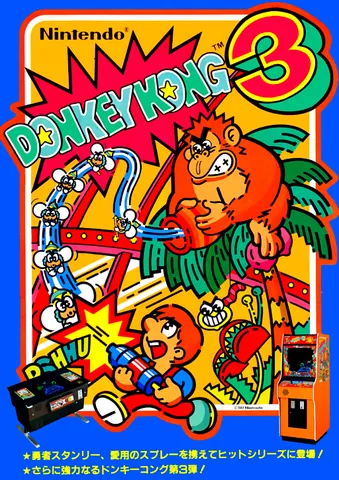 Donkey Kong 3 MAME · 1983
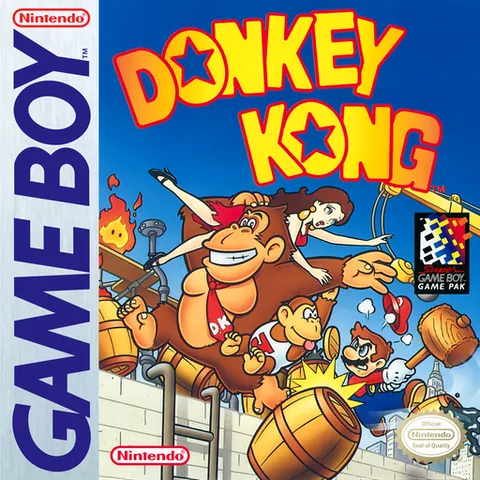 Donkey Kong (1994 / "Donkey Kong '94") GB · 1994
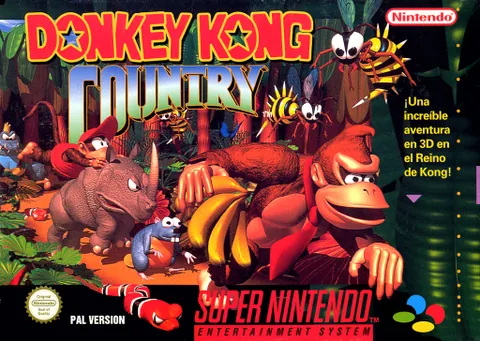 Donkey Kong Country 1–3 SNES · 1994–1996
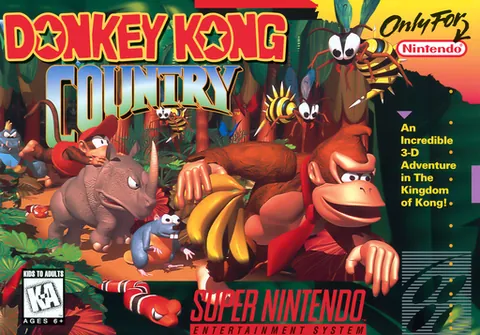 Donkey Kong Country SNES · GBC · GBA · 1994
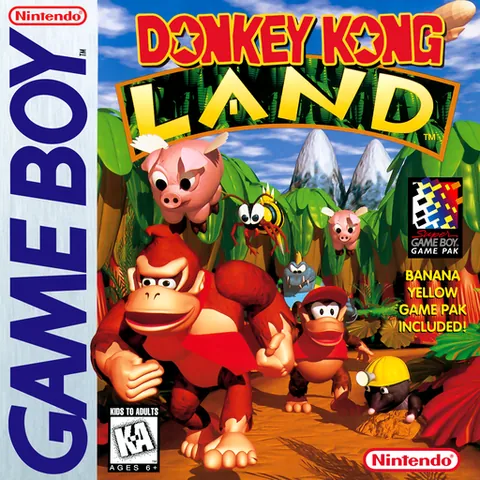 Donkey Kong Land GB · 1995
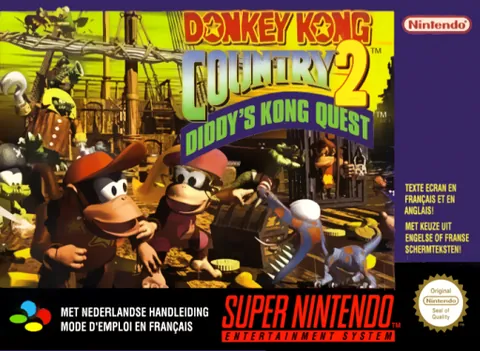 Donkey Kong Country 2 SNES · GBA · 1995
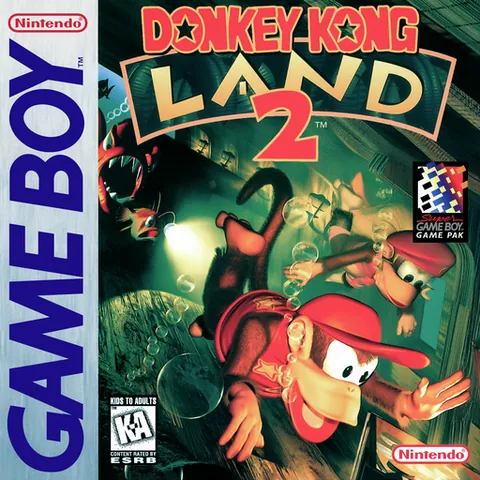 Donkey Kong Land 2 GB · 1996
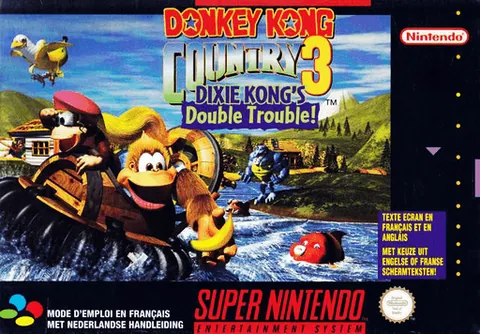 Donkey Kong Country 3 SNES · GBA · 1996
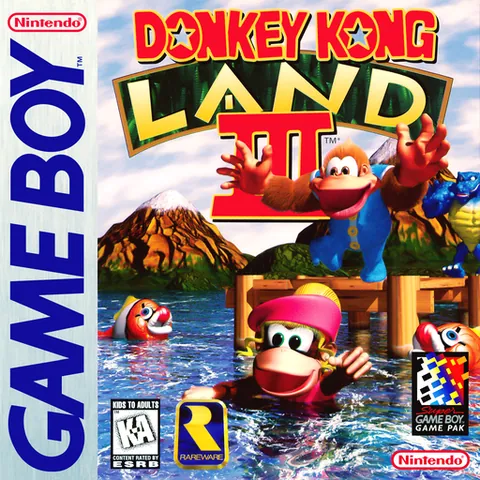 Donkey Kong Land III GB · 1997