 Atari · 1977
Game consoles
Atari 2600
History & context
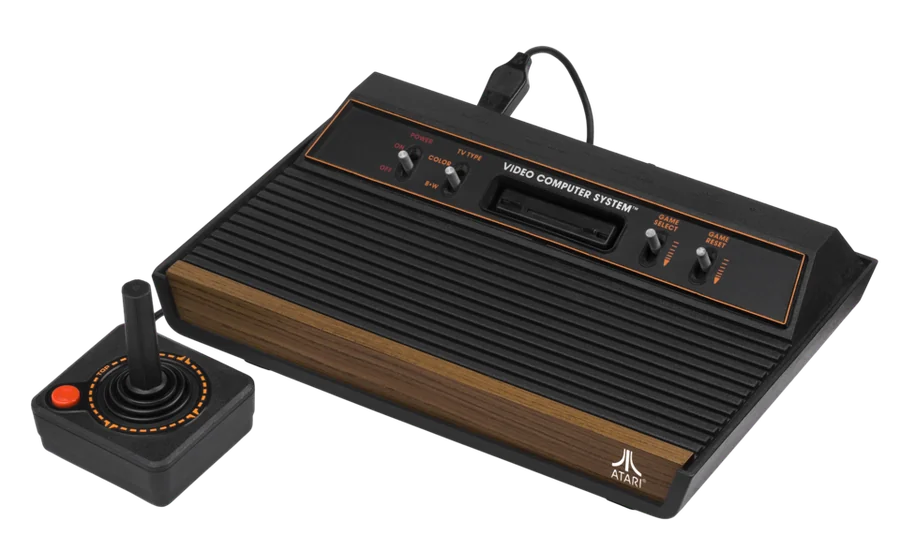
When the Video Computer System — only later renamed the Atari 2600 after its CX2600 ordering code number — rolled out of Atari's factories in 1977, few suspected it was launching an era that would last over forty years. The console was not the first of its kind, but it was the first to commercially establish the idea of interchangeable cartridges. Instead of hard-wired games like those offered by predecessors such as the Magnavox Odyssey or home Pong units, you could now buy any number of titles for a single device. This idea, obvious today, defined the entire industry for decades to come.
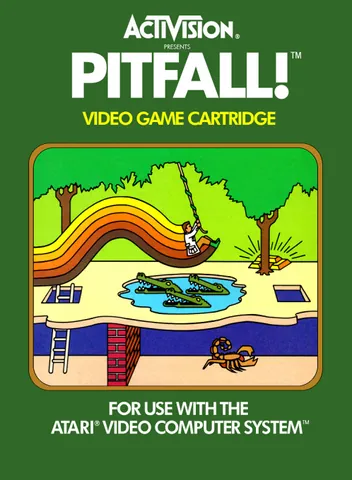
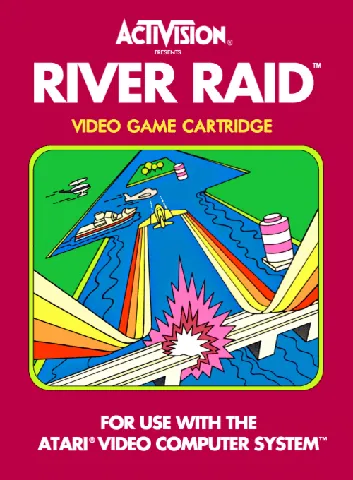
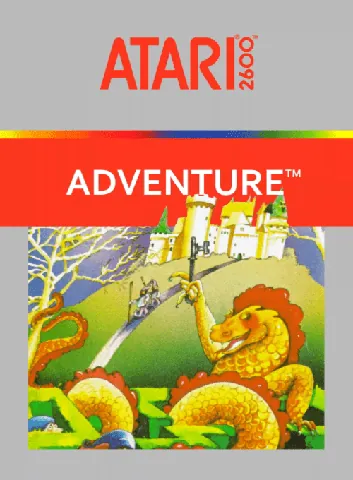
The machine sold for an astonishingly long time — from 1977 all the way to 1992, when Atari officially ended production — and for an entire generation it became synonymous with the word "video game." Games like Pitfall!, River Raid, and Adventure (which contained the very first "easter egg" in history — the hidden name of programmer Warren Robinett) showed what creativity could achieve even on extremely stingy hardware.
Technology: graphics and sound
The heart of the console is the eight-bit MOS 6507 processor, a cheaper, cut-down variant of the famous 6502, clocked at roughly 1.19 MHz. It had a mere 128 bytes of RAM — not kilobytes, bytes — and cartridges initially carried typically just 2 or 4 KB of code. This is why programming for the 2600 was notoriously demanding.
Graphics and sound were handled by the TIA (Television Interface Adapter) chip. It had no classic framebuffer; the image had to be "drawn" in real time, line by line, synchronized with the movement of the electron beam in the television. This technique was nicknamed "racing the beam" — the developer literally competed with the beam and the code had to be cycle-exact. The TIA could display five moving objects: two player sprites (players), two shots (missiles), and one "ball" (ball), plus a symmetric background (playfield). The palette in the NTSC version comprised 128 colors, though only a limited number could be used on a single line without tricks.
Sound was provided by two independent channels in the TIA with a coarse, characteristically "buzzing" tuning — clean music was nearly impossible on them, but they sufficed for arcade effects. That playable and still-admired games arose on such a minimalist foundation is a small technical miracle.
Connectivity and peripherals
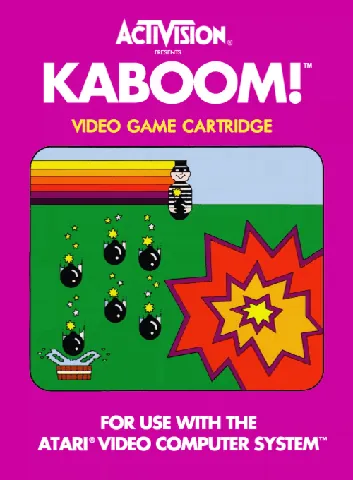
The standard controller was a simple digital joystick with a single button (the famous black CX40). The console had two ports, so two could play. Besides the joystick, Atari also offered paddles (rotary controllers) — two in each connector, thus up to four players — ideal for Kaboom! or Breakout, as well as a numeric keypad controller for educational and quiz titles.
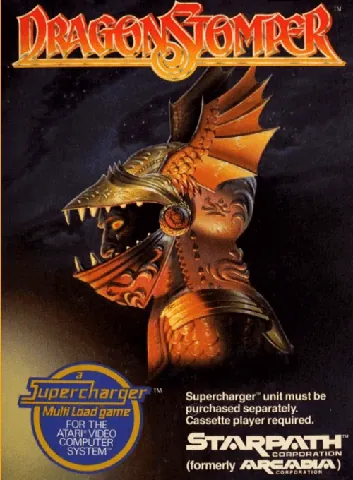
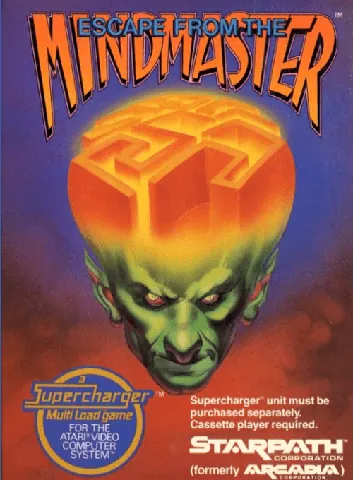
The output went through an RF modulator into the television's antenna input, with a channel 2/3 switch and a color/black-and-white selector. Switches on the front of the console also set the difficulty for the left and right players. A true rarity was the Starpath Supercharger peripheral — a device that loaded games into the console from an ordinary audio cassette and added extra RAM, enabling richer titles.
Models and revisions
The original 1977 model, nicknamed the "Heavy Sixer," had six switches and a robust construction with a wooden front panel. It was soon succeeded by a lighter version (the "Light Sixer") and later by four-switch variants, in which the two difficulty switches were moved to the back. In 1980 came a model with a full wood-grain imitation, subsequently replaced by an all-black design.
In 1982 Atari introduced the shrunken and cheaper Atari 2600 Jr. with a flat plastic design and a rainbow stripe. There was also the curious Atari 5200 (1982) as a technically more powerful but incompatible sibling, and later the backward-compatible successor Atari 7800 (1986), which could play most 2600 cartridges. The 7800 came late, faded in the shadow of the NES, though it was more capable in terms of hardware.
Clones and variants
Given its long lifespan and popularity, a range of unofficial clones arose. Cheap Asian "retro" versions in the form of a joystick with built-in games are still produced today. In the Eastern Bloc the 2600 was not officially distributed, but clones like the Rambo TV Game and other Taiwanese variants did appear. Collectors also prize a number of licensed versions sold under other brands (for example Sears Tele-Games in the United States, where Sears distributed the console under its own name). In Brazil, thanks to the company Polyvox, the Atari 2600 lived on long after it had gone out of fashion in the West.
Today's scene
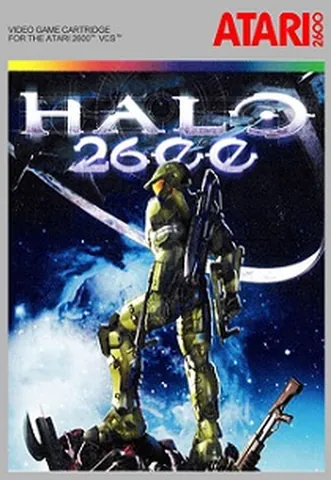
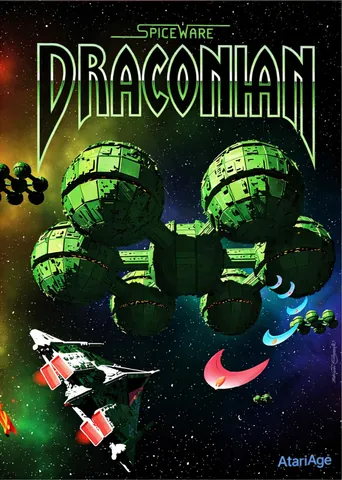
The Atari 2600 is excellently supported by emulators — the best known is Stella, an open and very accurate emulator running practically everywhere. The homebrew scene is also remarkably alive: enthusiasts still release new cartridges to this day, for instance Halo 2600 by Ed Fries (former head of Microsoft Games) or the action title Draconian. People still enjoy taming this "impossible" machine — and for retro gamers the 2600 is more a fascinating trip into the prehistory of video games than a source of long gaming evenings. But no one can take away the magic of the beginnings.
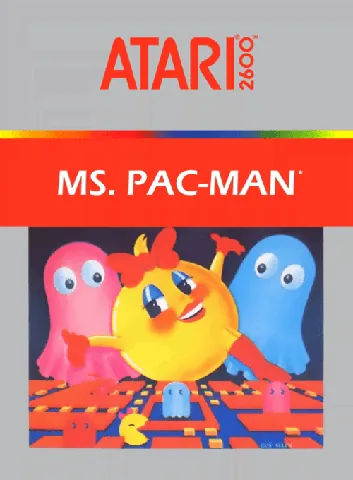
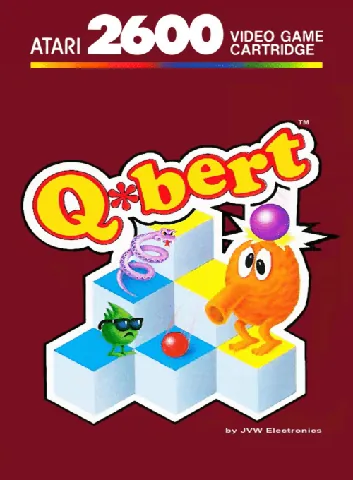
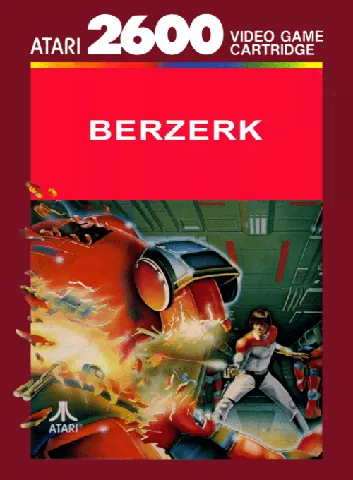
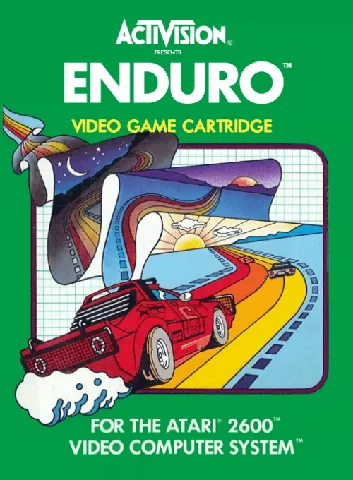
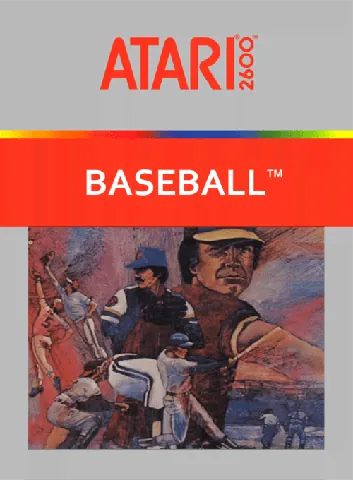
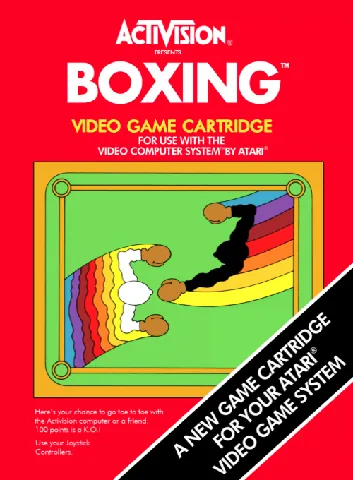
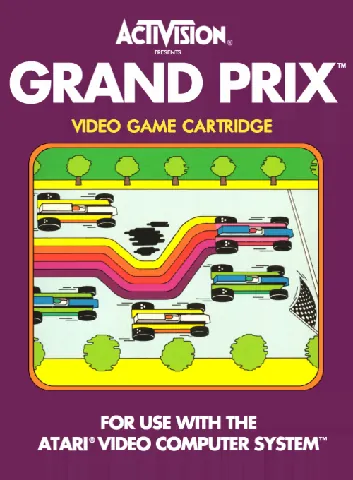
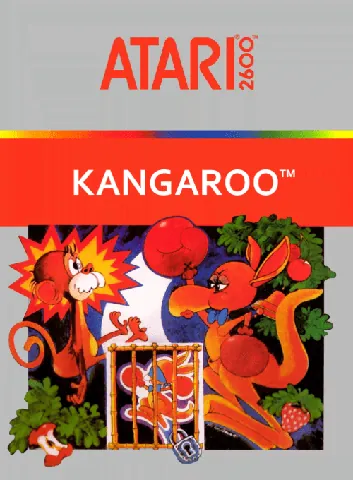
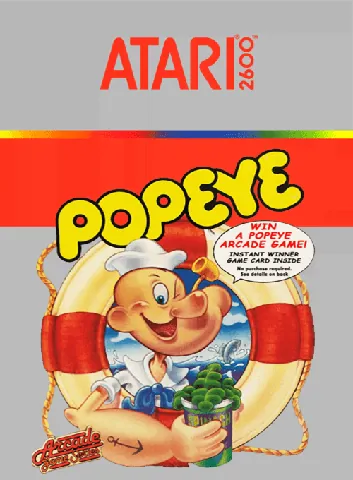
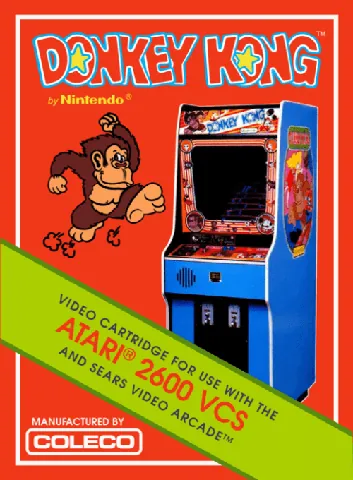
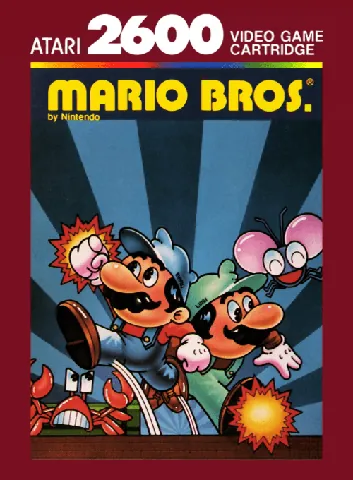
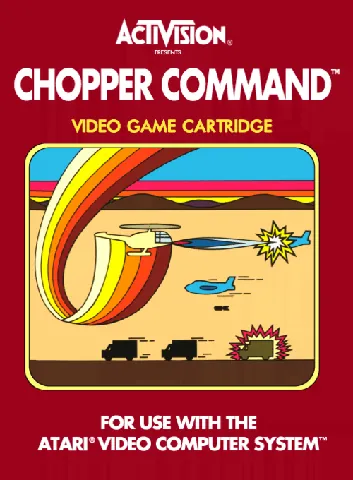
Games on this platform (69)
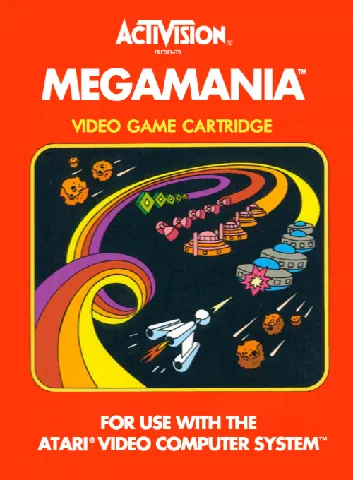
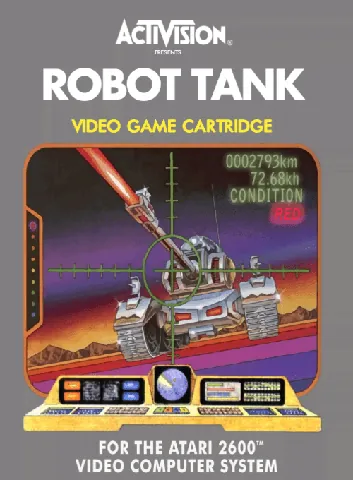
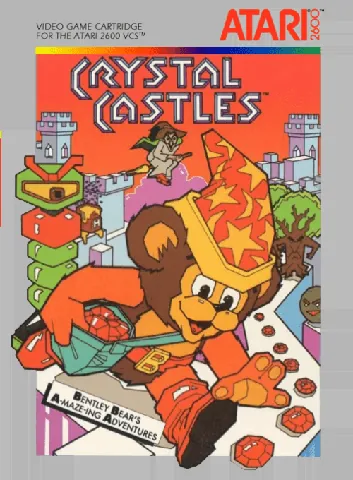
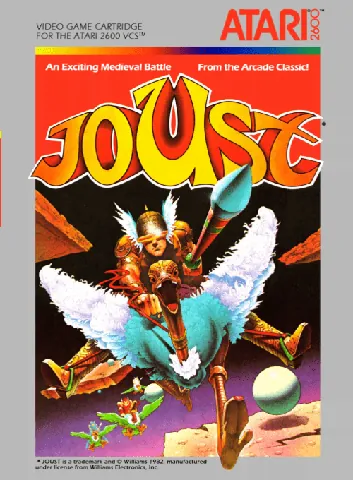
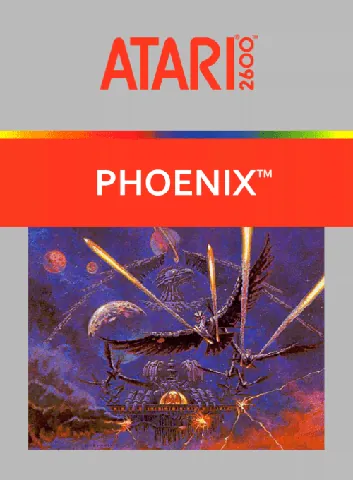
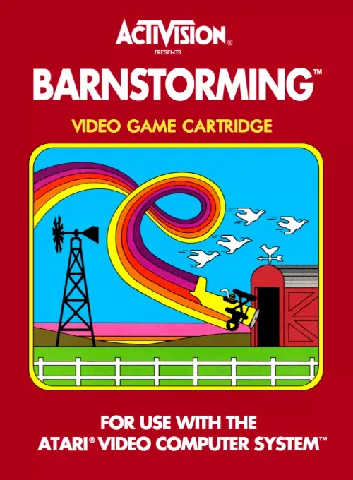
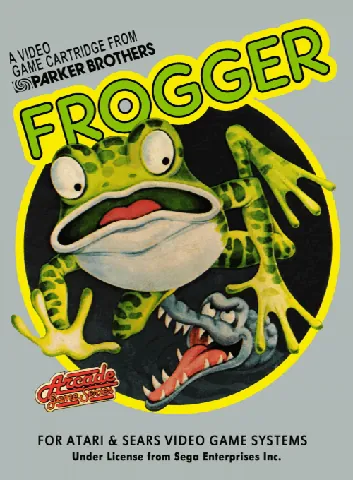
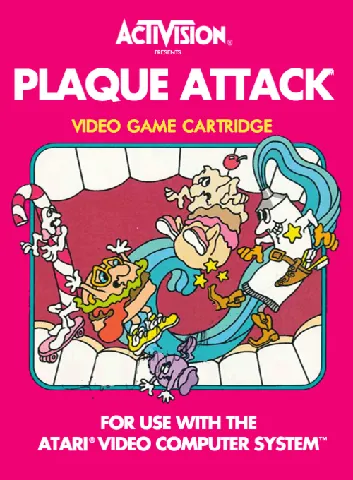
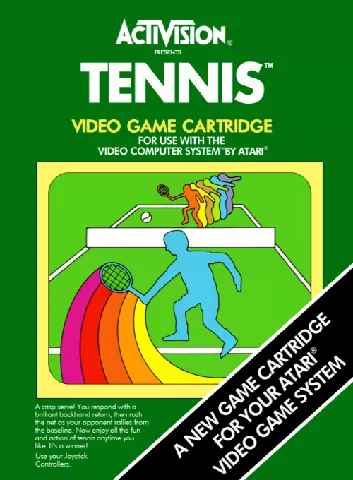
No game in this genre.