Ms. Pac-Man
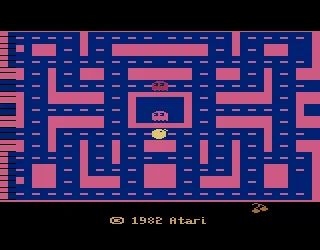
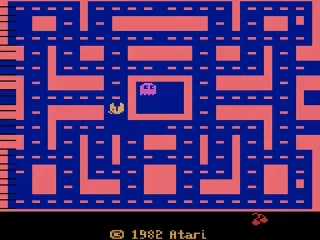
Sequels are often just a lukewarm reheat of the original — but Ms. Pac-Man is a famous exception that many players and critics still consider better than its famous predecessor. And that's saying something, given what a phenomenon Pac-Man was.
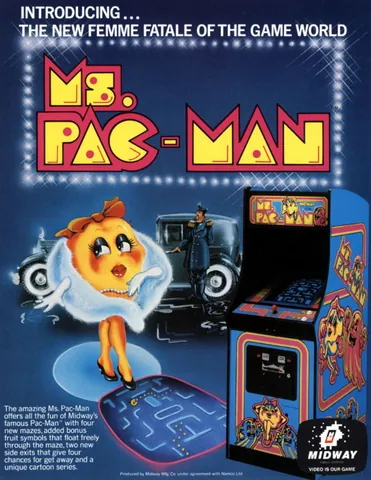
The game came about by a remarkable route. A group of enthusiasts created a modification of the Pac-Man arcade machine, which was subsequently bought by Midway and released in 1982 as an official title. The result exceeded expectations: Ms. Pac-Man became one of the most successful arcade games ever and ranks in North America among the best-selling machines in history.
Compared to the original, the heroine with a bow brought several fundamental improvements. Instead of a single maze it offers four different ones, fruit flits across the screen instead of a static placement, and the ghosts' behavior is less predictable — the so-called patterns with which players simplified the original Pac-Man no longer work here. The result is a fresher, more challenging and fairer experience.
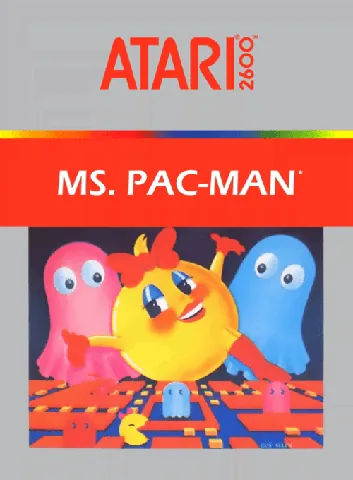
The home port on the Atari 2600 was among the successful conversions that washed away the bitterness after the catastrophic port of the original Pac-Man. It preserved the color, pace and charisma of the source and became one of the titles collectors and old-timers remember fondly.
The cultural significance of Ms. Pac-Man reaches further than mere gameplay. It was one of the first games with a prominent female heroine in the lead role, and its popularity helped broaden the video game audience to female players too. The character became a pop culture icon and remains to this day a symbol of the golden era of the arcades.
Why play: A rare case where the sequel surpasses the original — smarter mazes, unpredictable ghosts and timeless flair that's still fun today.
Game 16 of 69 for Atari 2600
The same title elsewhere (3)
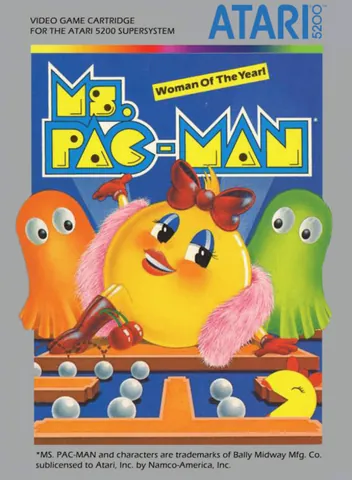
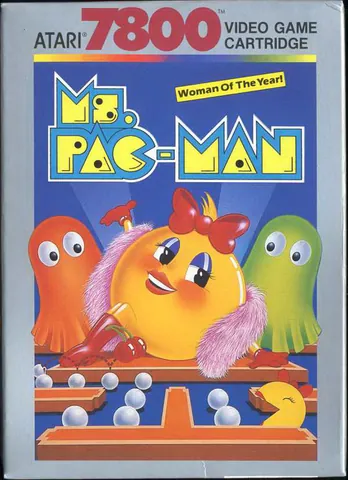
The arcade original offers four distinct mazes, a richer palette and smoothly animated ghosts, which is why it's often called the most complete version of the game. The Atari 2600 port counts among that machine's surprisingly good conversions — unlike the infamously botched Pac-Man port, developers here managed to preserve the gameplay and pace despite blockier graphics and a limited color range. The Atari 5200 had more powerful hardware than the 2600, so its version delivered smoother ghost movement and colors closer to the arcade look, placing it among the best home conversions of its time. Anyone wanting the experience closest to the original should reach for the arcade version; anyone after a solid early-1980s home release will appreciate the Atari 5200.