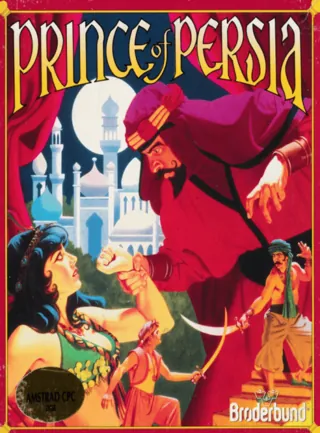
Prince of Persia
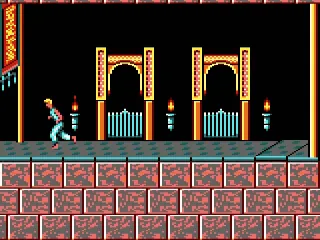
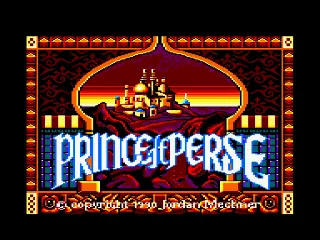
When the prince first broke into a run, leaped and grabbed the edge of a ledge, it was as if a real person had come to life — and players all over the world couldn't believe their eyes. Prince of Persia was a revolution in character animation, and its port to the Amstrad CPC was among the finest things the 8-bits ever offered.
Jordan Mechner used the technique of rotoscoping — he filmed his brother's movements and redrew them into the game, so that running, jumping and sword fights felt incredibly smooth and realistic. On top of that, the game added a merciless one-hour time limit to rescue the princess and a labyrinth full of deadly traps: falling slabs, spikes, chasms and slicing blades. Every jump had to be measured precisely, otherwise an instant — and often gruesomely spectacular — death followed.
The game originally appeared on the Apple II and was released in 1989 under the Broderbund banner; the CPC conversion arrived in 1990 and ranked among the most accomplished 8-bit ports of all. The fluid animation the CPC managed to preserve was a genuine experience for players of the time.
The combination of cinematic platforming, puzzle-based level traversal and blade-edge duels created an entirely new genre recipe that would later influence countless games. The prince couldn't simply charge headlong forward — he demanded thought, patience and a sense of timing.
Prince of Persia became one of the most influential games in history, spawning a string of sequels, the famous 3D reboot Sands of Time and even a film adaptation. Whatever platform you play it on, its DNA still shapes modern action games today.
Why play it: For its groundbreaking realistic animation and a tense race-against-time adventure that looked gorgeous on the CPC.
Game 1 of 26 for Amstrad CPC
The same title elsewhere (7)
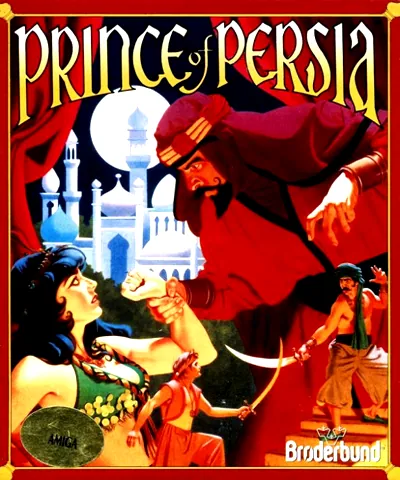
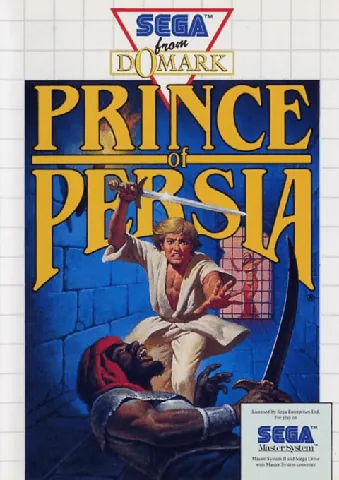
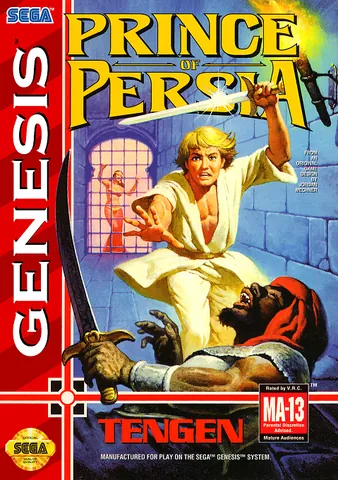
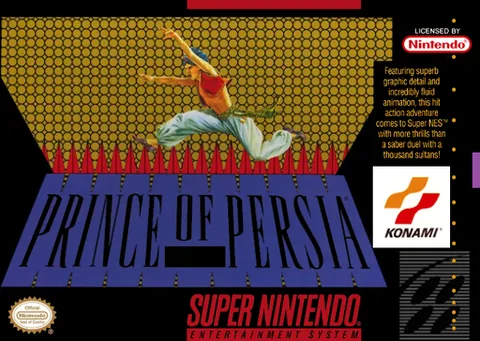
The Amiga and Atari ST offered the smoothest animation, staying closest to Jordan Mechner's original Apple II code and preserving the famous rotoscoped running and jumping. Super Nintendo received reworked 16-bit graphics plus scenes and content missing from the original, so it's often ranked among the best versions overall. The NES version was a separate rework by another team and diverges noticeably from the computer original in look and feel. On Commodore 64 and Amstrad CPC, developers had to cut animation frames due to weaker processors, making the prince's movement feel choppier than on 16-bit machines. Game Boy offered only a monochrome screen and lower resolution, but the core game held up. SEGA Master System delivered a colorful, playable conversion with its own graphical style.
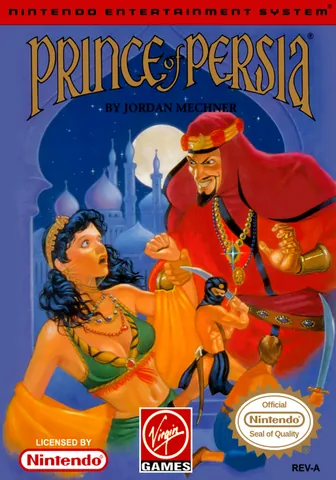
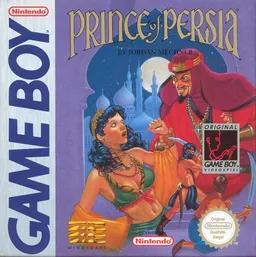
From the same series Prince of Persia →
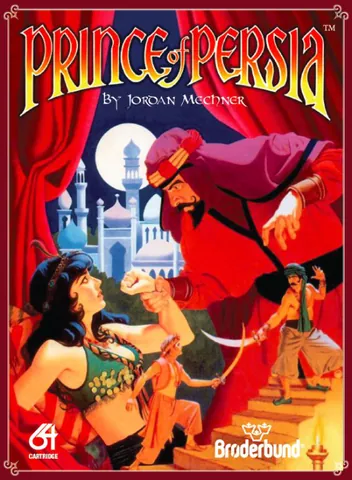 Prince of Persia C64 · X360 · PS3 · PC
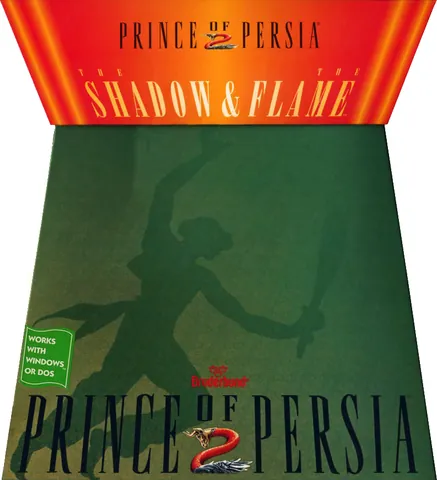 Prince of Persia 2: The Shadow and the Flame DOS · 1993
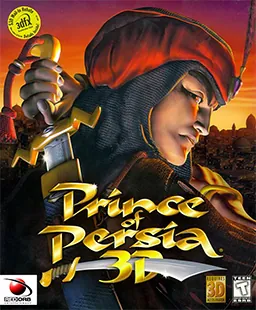 Prince of Persia 3D Win9x · 1999
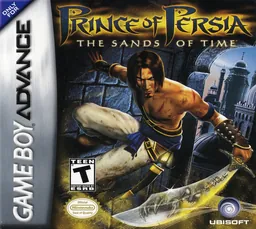 Prince of Persia: The Sands of Time GBA · PS2 · GCN · Xbox · 2003 Java ME Prince of Persia: Harem Adventures Java ME · 2003
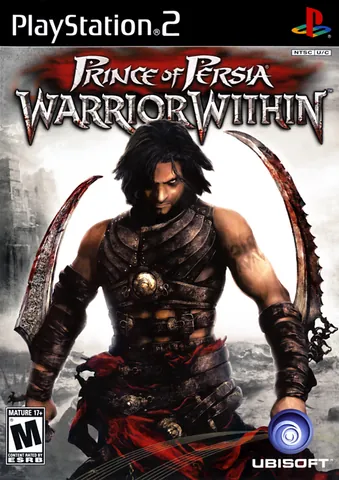 Prince of Persia: Warrior Within PS2 · Xbox · 2004
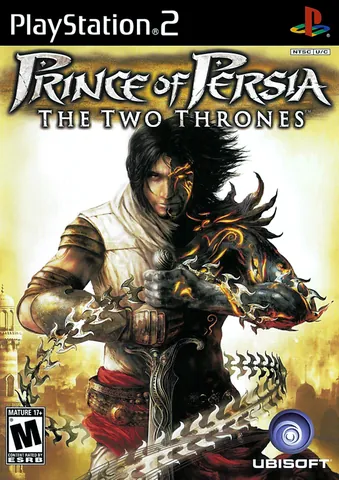 Prince of Persia: The Two Thrones PS2 · GCN · Xbox · PC · 2005
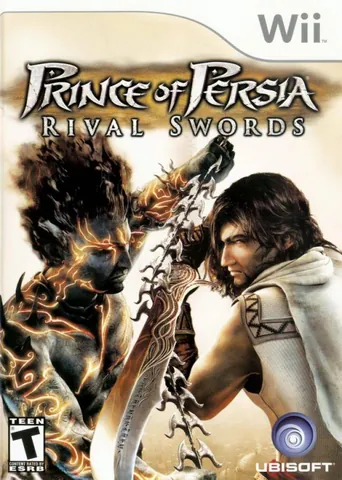 Prince of Persia: Rival Swords Wii · 2008
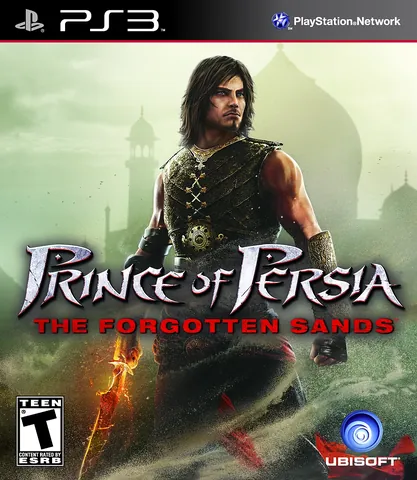 Prince of Persia: The Forgotten Sands PS3 · 2010
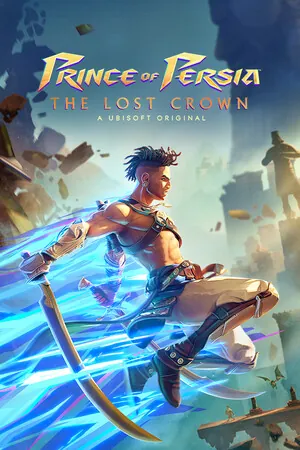 Prince of Persia: The Lost Crown PS5 · Series · 2024