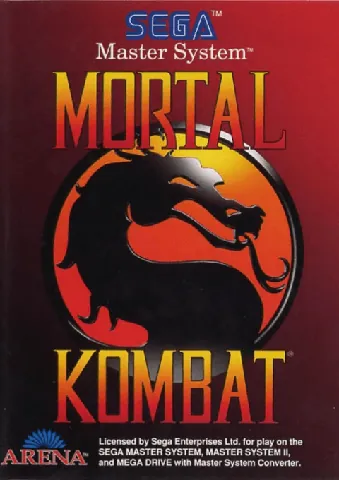
Mortal Kombat
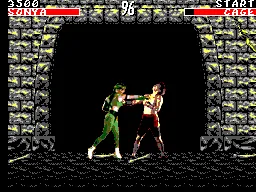
Blood, brutal finishing moves and digitized actors - in the early nineties Mortal Kombat was a cultural bombshell that ignited a debate about violence in video games all over the world. And then you were supposed to play this phenomenon on the eight-bit SEGA Master System, a console that was long past its prime by then.
Mortal Kombat is a one-on-one fighting game. You pick from a roster of fighters with their own special attacks and, across best-of-three rounds, try to bring your opponent to their knees. The game became famous for its Fatalities - flashy, bloody finishing moves that turned the defeated opponent into a gruesome spectacle. It was precisely this digitized brutality that set Mortal Kombat apart from the competition and built its reputation.
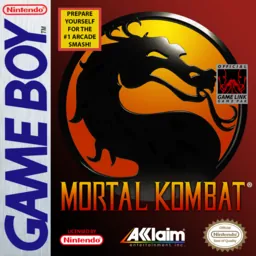
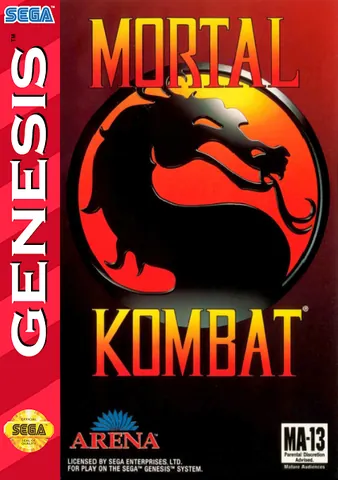
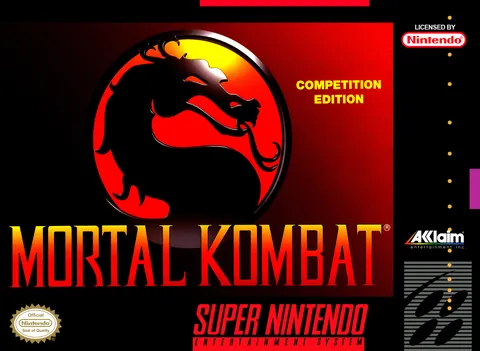
The original was created by the American company Midway, which brought it to arcades in 1992. Unlike cartoon opponents, Mortal Kombat used digitized footage of real actors, which gave the game a realistic, raw look. The home conversions in 1993 became a famous episode: on SEGA consoles you could unlock the full gore through a code, while the Nintendo version was censored. This wave ultimately contributed to the creation of the ESRB rating system.
The cultural significance of Mortal Kombat is enormous. It became one of the most recognizable gaming brands of all time, with a long line of sequels, films and TV series. The Fatality catchphrase and the name of the fighter Sub-Zero belong to the pop-culture vocabulary of an entire generation.
The Master System version, however, is a curious specimen. The console practically could not handle the digitized graphics of the original, so the fighters are heavily simplified and the overall impression is a long way from the arcade source. For collectors and SEGA fans it is an interesting curiosity, less so a full-fledged substitute for the arcade experience.
Why play: As a curiosity for SEGA fans and proof of how a cultural phenomenon tried to squeeze itself onto eight-bit hardware.
Game 31 of 67 for SEGA Master System
The same title elsewhere (7)
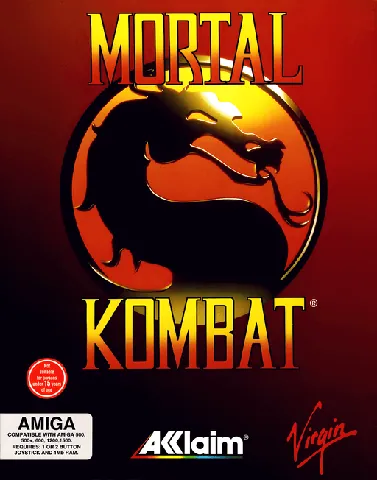
Midway's 1992 arcade original was built on digitised actors and graphic violence that sparked a worldwide scandal and debates about video game censorship at the time. Translating that look to home platforms of the era wasn't easy: the 8-bit SEGA Master System had to drastically cut resolution, colour count and animation frames, leaving characters smaller and their movement choppier than in the arcades. The early-1990s Commodore Amiga version fared even worse – the ageing hardware struggled to play back the large digitised sprites smoothly, the game loaded from floppy disks, and reviews often single it out as one of the weakest home versions. For an authentic taste of the original, an arcade emulation remains the better bet.
From the same series Mortal Kombat →
 Mortal Kombat II MAME · GB · SNES · MD · GG · 32X · 1993
 Mortal Kombat 3 MAME · 1995
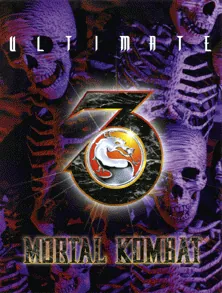 Ultimate Mortal Kombat 3 MAME · 1995
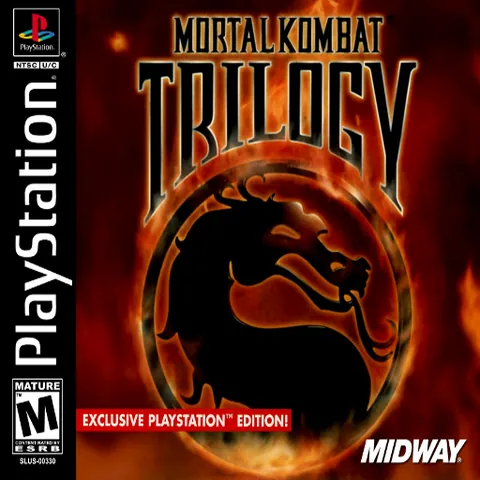 Mortal Kombat Trilogy PS1 · N64 · 1996
 Mortal Kombat Mythologies: Sub-Zero PS1 · 1997
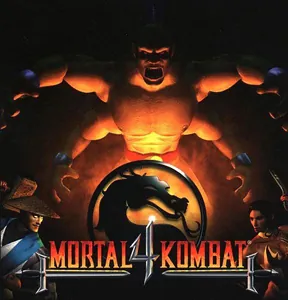 Mortal Kombat 4 MAME · 1997
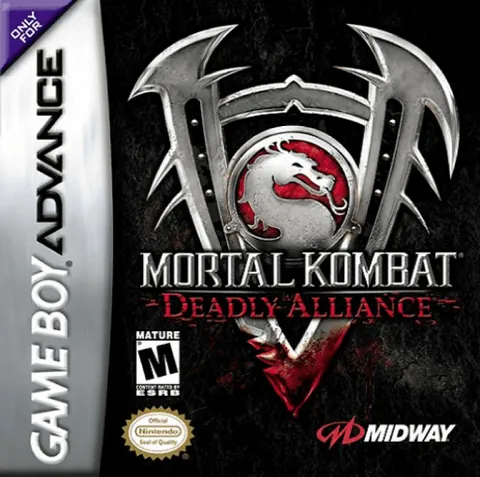 Mortal Kombat: Deadly Alliance GBA · Xbox · 2002
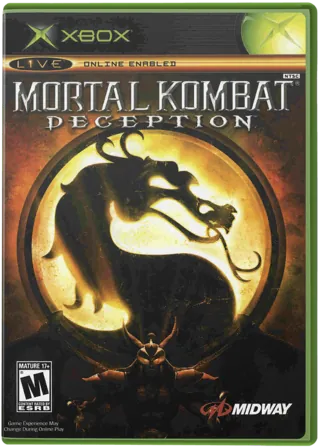 Mortal Kombat: Deception Xbox · 2004
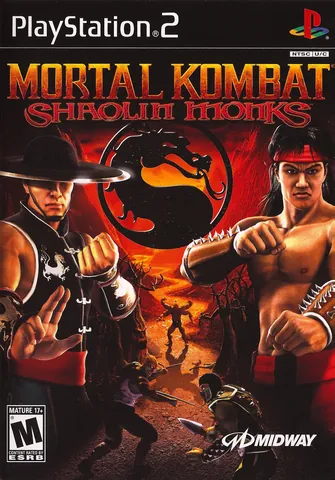 Mortal Kombat: Shaolin Monks PS2 · 2005
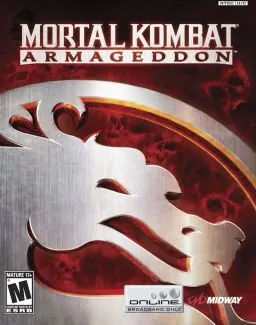 Mortal Kombat: Armageddon PS2 · 2006
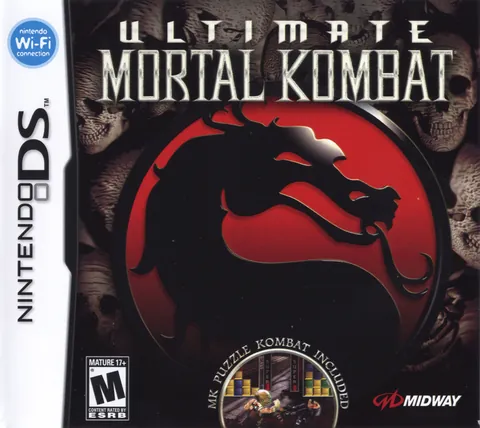 Ultimate Mortal Kombat DS · 2007
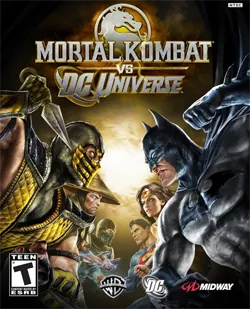 Mortal Kombat vs. DC Universe PS3 · 2008