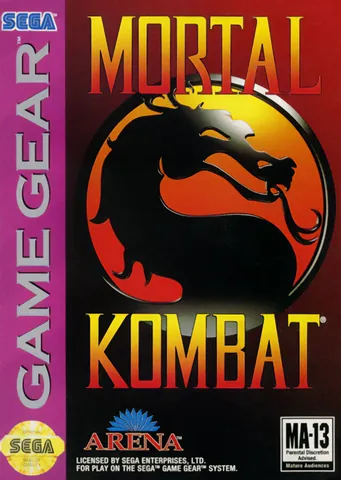
Mortal Kombat
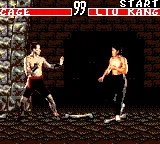
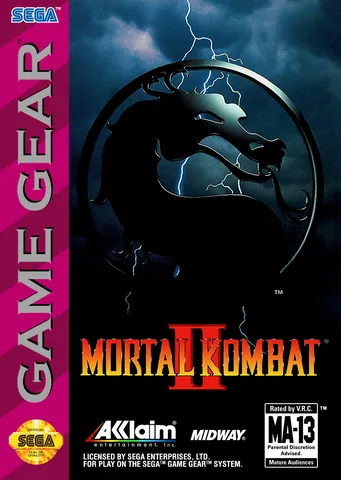
A brutal fighting game that outraged parents and politicians, on a small color pocket console - the idea of Mortal Kombat on the SEGA Game Gear sounds almost absurd, and yet in the nineties it really happened. The phenomenon of digitized violence was trying to reach literally into your pocket.
Mortal Kombat is a one-on-one fighting game where you choose a fighter from a gallery of characters, each with their own special moves, and try to defeat your opponent over the course of rounds. The brand became famous for its Fatalities - bloody finishing moves you could use to spectacularly put away a defeated foe. It was precisely this merciless brutality that set the game apart from its rivals and earned it both fame and controversy.
The original arcade version was created by the American company Midway in 1992, betting on digitized footage of real actors instead of drawn characters. A wave of home conversions a year later ignited a debate about violence in games that eventually led to the creation of the ESRB rating system. The SEGA versions, meanwhile, were famous for letting you unlock the full gore.
Culturally, Mortal Kombat became one of the biggest gaming brands in history. The series continues to this day, is accompanied by a string of films, and characters like Scorpion and Sub-Zero are known even to people who have never played the game. The line 'Finish Him' ranks among the immortal quotes of pop culture.
The pocket Game Gear, however, could offer only a heavily pared-down variant. On the small screen with limited power the fighters were simplified, and the pace and roster couldn't match the arcade original. For fans it's more of a collector's curiosity and proof of how much the brand pulled back then - it made its way even onto hardware that clearly wasn't up to it.
Why play it: As a curiosity for Game Gear collectors and a reminder of an era when even a controversial arcade hit got crammed into every pocket.
Game 26 of 39 for SEGA Game Gear
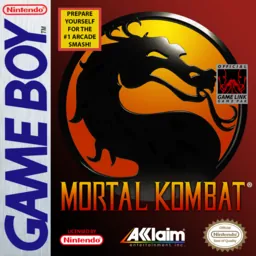
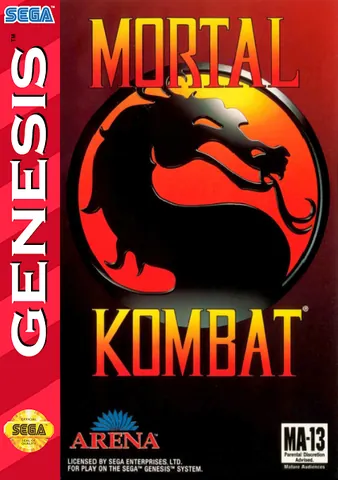
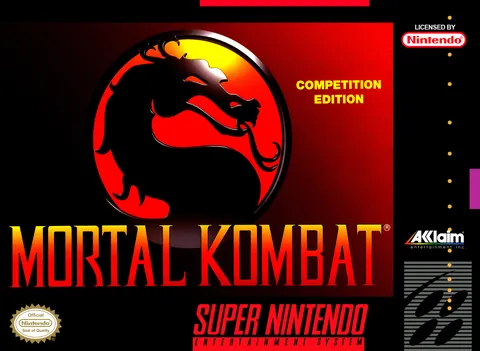
The same title elsewhere (7)
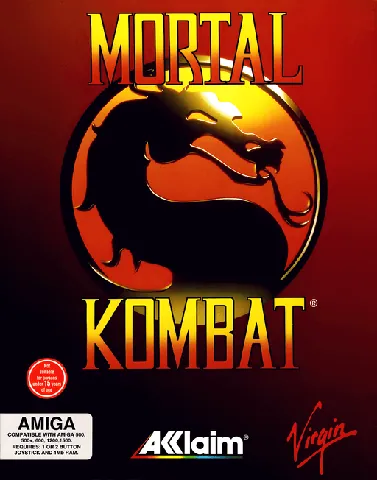
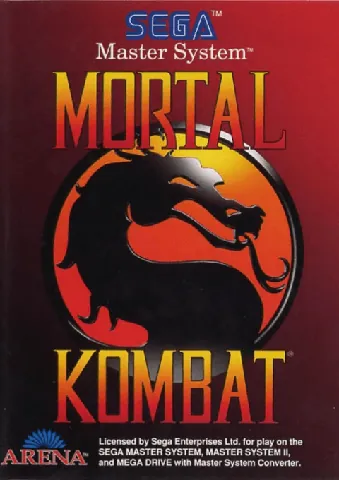
Midway's 1992 arcade original was built on digitised actors and graphic violence that sparked a worldwide scandal and debates about video game censorship at the time. Translating that look to home platforms of the era wasn't easy: the 8-bit SEGA Master System had to drastically cut resolution, colour count and animation frames, leaving characters smaller and their movement choppier than in the arcades. The early-1990s Commodore Amiga version fared even worse – the ageing hardware struggled to play back the large digitised sprites smoothly, the game loaded from floppy disks, and reviews often single it out as one of the weakest home versions. For an authentic taste of the original, an arcade emulation remains the better bet.
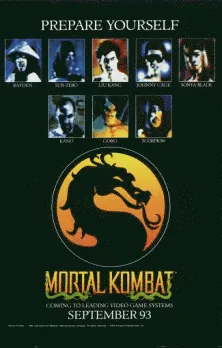
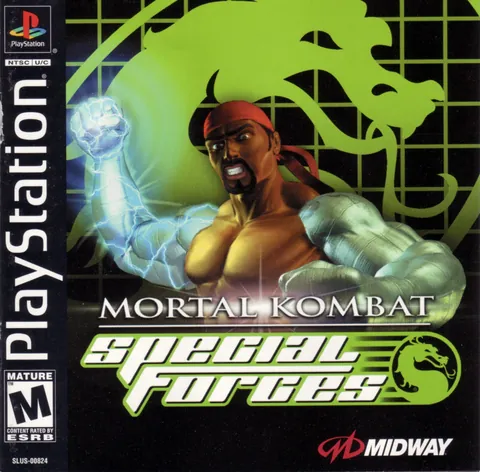
From the same series Mortal Kombat →
 Mortal Kombat II MAME · GB · SNES · MD · GG · 32X · 1993
 Mortal Kombat 3 MAME · 1995
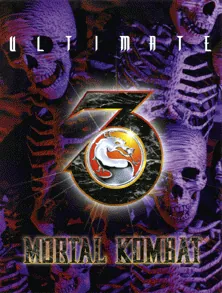 Ultimate Mortal Kombat 3 MAME · 1995
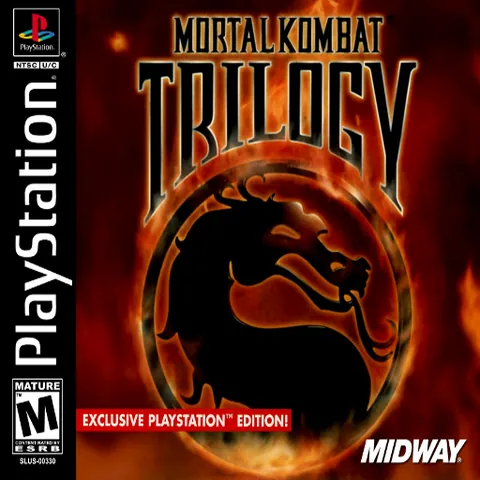 Mortal Kombat Trilogy PS1 · N64 · 1996
 Mortal Kombat Mythologies: Sub-Zero PS1 · 1997
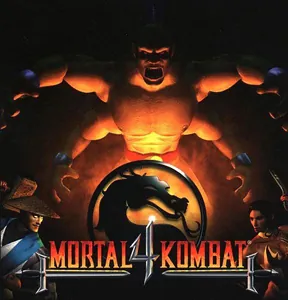 Mortal Kombat 4 MAME · 1997
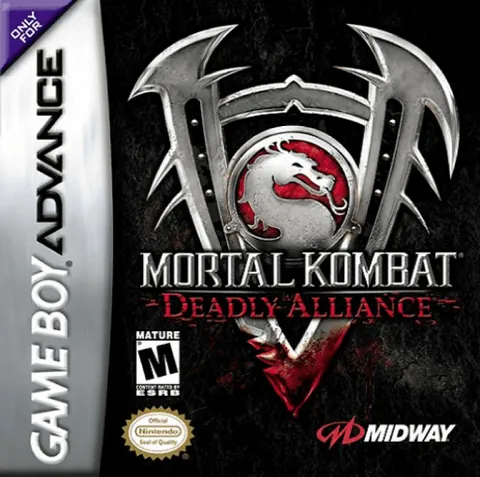 Mortal Kombat: Deadly Alliance GBA · Xbox · 2002
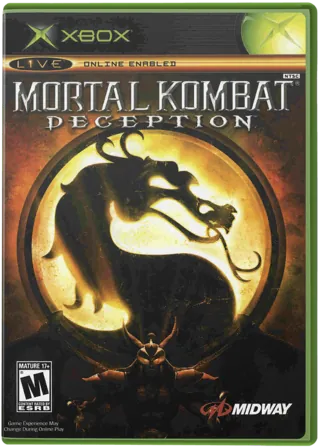 Mortal Kombat: Deception Xbox · 2004
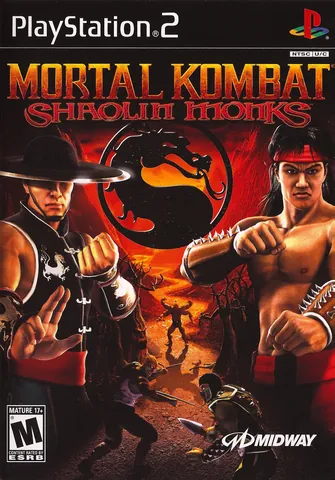 Mortal Kombat: Shaolin Monks PS2 · 2005
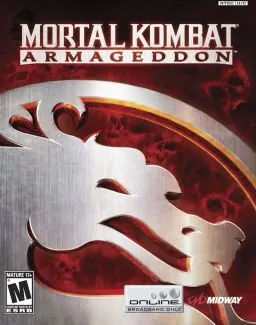 Mortal Kombat: Armageddon PS2 · 2006
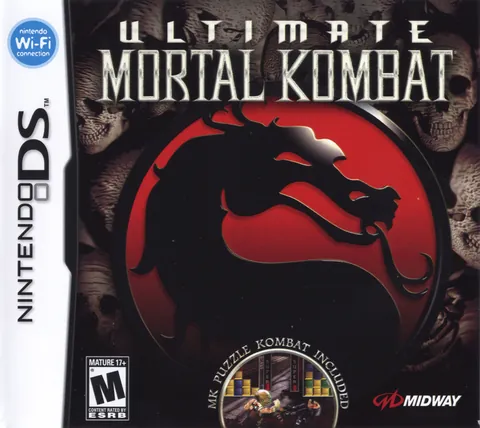 Ultimate Mortal Kombat DS · 2007
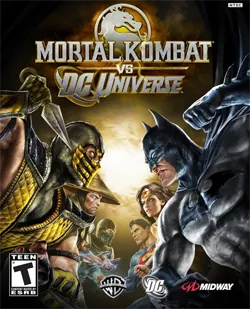 Mortal Kombat vs. DC Universe PS3 · 2008