Franchises
Mortal Kombat
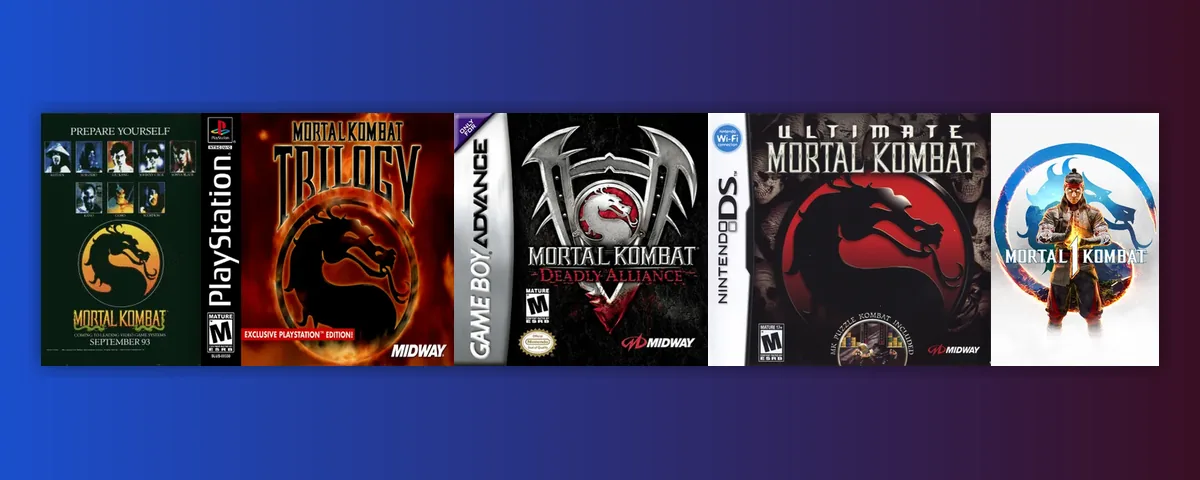
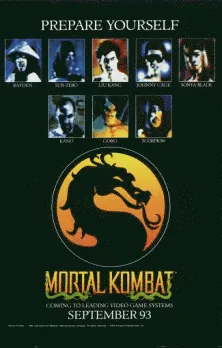
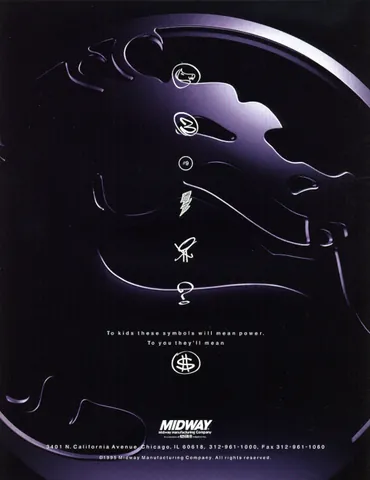
Mortal Kombat began in 1992 as a Midway arcade cabinet created by Ed Boon and John Tobias. At a time when Street Fighter II dominated the genre, it stood out by using digitized actors filmed on video and converted into sprites, giving it a rawer, almost cinematic look. Even more notorious were the fatalities — brutal finishing moves that let the winner end a match by decapitating an opponent, ripping out a spine, or burning a rival down to the bone. The gore was unheard of at the time, and home versions often hid it behind a secret code, while the Super Nintendo port censored the blood outright. The controversy escalated all the way to the US Congress and became one of the direct catalysts for the creation of the ESRB rating system.
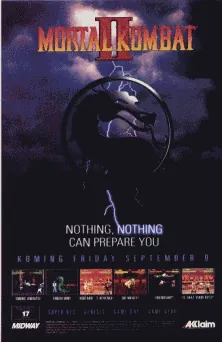
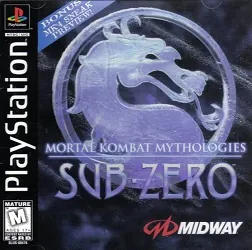
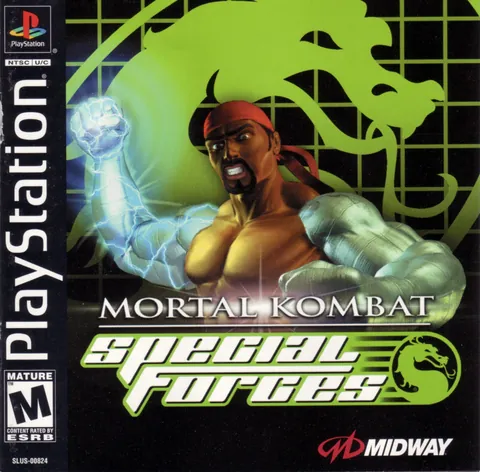
The sequel Mortal Kombat II (1993) expanded the roster, added new arenas and more elaborate fatalities, and is still regarded by many players as the peak of the series' two-dimensional era. Mortal Kombat 3 and its expanded versions, Ultimate Mortal Kombat 3 and the compilation Mortal Kombat Trilogy, kept refining the combo system, the running mechanic, and hidden characters like Smoke. Alongside the main line came the action spin-off Mortal Kombat Mythologies: Sub-Zero, which swapped one-on-one duels for a platformer following a single character's story. A turning point arrived with Mortal Kombat 4 (1997), the first entry with 3D graphics and weapons scattered around the arena — a shift that landed less well than the earlier, purely 2D games.
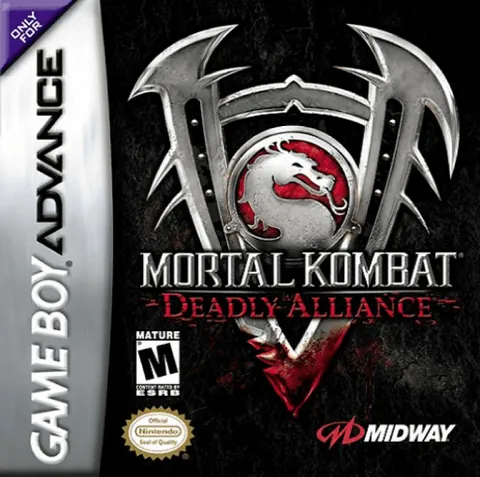
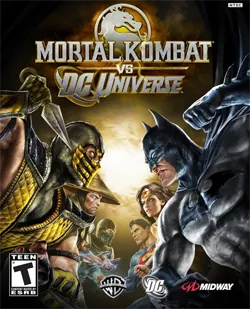
At the turn of the millennium the series continued with the trilogy of Deadly Alliance (2002), Deception (2004) and Armageddon (2006). They brought fully three-dimensional arenas, two fighting styles per character, a Konquest mode for exploring the world, and side minigames like Puzzle Kombat and the chess-based Chess Kombat, while Armageddon added a Kreate-a-Fighter editor. The universe also expanded with the action game Mortal Kombat: Shaolin Monks, set within the story of Liu Kang and Kung Lao. A bold experiment followed with the crossover Mortal Kombat vs. DC Universe (2008), where the violence had to be considerably toned down for a PG-13 rating, drawing mixed reactions from fans.
A decisive turn came after Midway's bankruptcy, when the newly formed NetherRealm Studios, led by Ed Boon, took over the license. The 2011 reboot, simply titled Mortal Kombat, returned to the raw violence of the early games and offered an elaborate linear story mode that critics and players alike welcomed as a return to form. The follow-up Mortal Kombat X (2015) introduced a variation system giving every character three distinct play styles, while Mortal Kombat 11 (2019) further developed the time-travel plot around the goddess Kronika and brought in guest characters ranging from the Terminator to the Joker to Rambo.
Thanks to its violence, fatalities and instantly recognizable characters like Scorpion, Sub-Zero and Raiden, Mortal Kombat became one of the most recognizable names in fighting games and the basis for several films and television series, including the action show Mortal Kombat: Conquest and the 2021 live-action reboot. The latest entry, Mortal Kombat 1 (2023), rewrote the series' timeline from scratch, showing that after more than three decades the brand still holds a firm place among fighting games across generations of consoles and arcade cabinets.
Entries in the series (17)
-
-
-
Mortal Kombat 3 · 1995
-
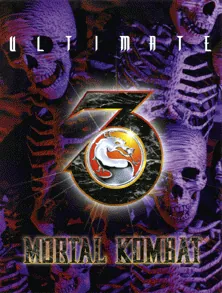
Ultimate Mortal Kombat 3 · 1995
-
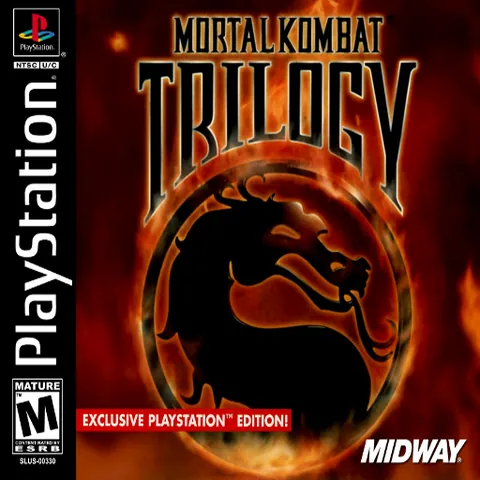
Mortal Kombat Trilogy · 1996
-
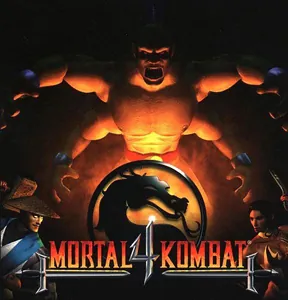
Mortal Kombat 4 · 1997
-
-
-
-
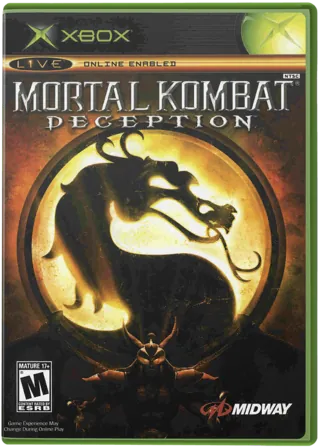
Mortal Kombat: Deception · 2004
-
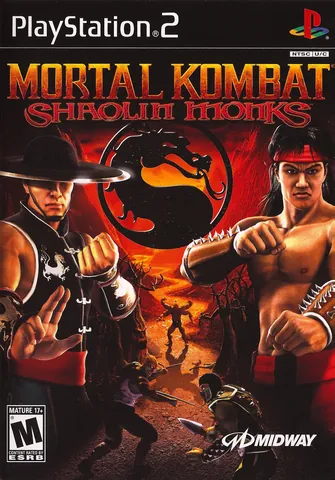
Mortal Kombat: Shaolin Monks · 2005
-
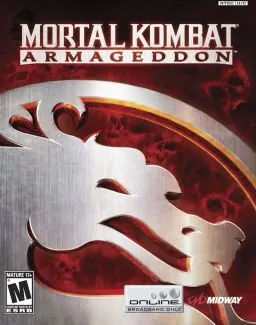
Mortal Kombat: Armageddon · 2006
-
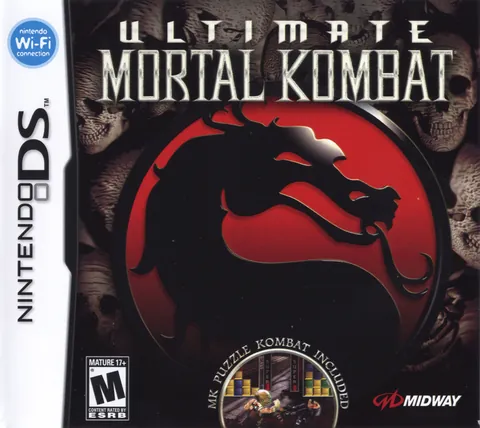
Ultimate Mortal Kombat · 2007
-
-
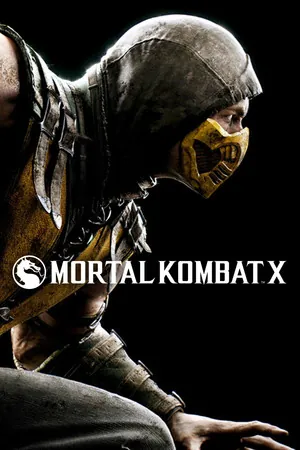
Mortal Kombat X · 2015
-
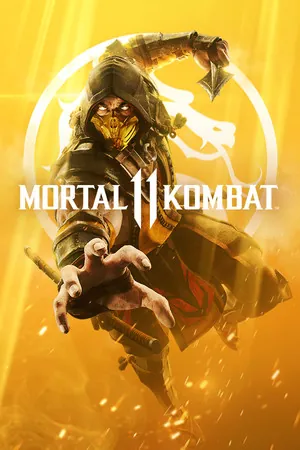
Mortal Kombat 11 · 2019
-
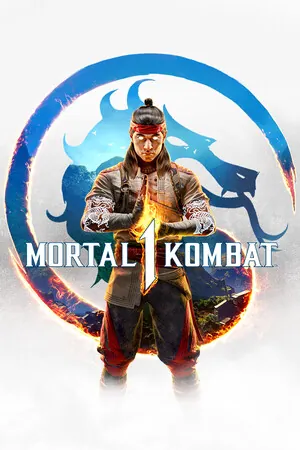
Mortal Kombat 1 · 2023