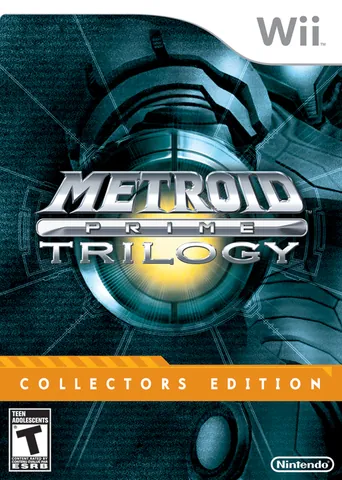
Metroid Prime Trilogy
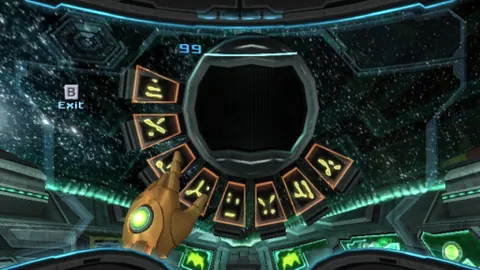
Metroid Prime Trilogy brought all three entries of the original Prime trilogy together on a single disc and converted them to Wii Remote and Nunchuk controls, fundamentally changing the way these games are played. Instead of an analog stick, the player aimed directly at the screen with the pointer, which gave both shooting and puzzle-solving surprising precision and fluidity — many players and reviewers at the time called this control scheme better and more natural than the original GameCube version with its classic gamepad. The game itself remains a hybrid of first-person shooter and atmospheric adventure: Samus Aran explores vast, interconnected worlds, collects suit and weapon upgrades, and gradually unlocks paths to previously inaccessible areas, continuing the metroidvania tradition the series itself helped define back in the late nineties.
Technically it's a careful remaster — the graphics were slightly improved and tuned for widescreen televisions, the control scheme received minor adjustments for more comfortable pointer play, and the music by Kenji Yamamoto and other composers remained unchanged; it's still among the best the Wii ever produced. The atmosphere of solitude on alien planets, tense boss fights, and the sense of gradually uncovering the secrets of planet Tallon IV, the chilling Aether station from the second entry, and later Bryyo, Elysia, and other locations from the third game rank among the peaks of single-player design. Reception at the time was very positive, and the compilation became one of the main arguments that even Wii pointer controls could serve serious, thoughtful gameplay rather than just casual minigames.
Today, Metroid Prime Trilogy is considered one of the best ways to enjoy this trilogy — more precise aiming than the original versions, a complete package of all three games in one case, and an audiovisual impression that remains timeless make it a must-have for every genre fan and every Wii owner who wasn't afraid to experiment with a slower, more deliberate pace of play.
Game 84 of 140 for Nintendo Wii
The same title elsewhere (1)
From the same series Metroid →
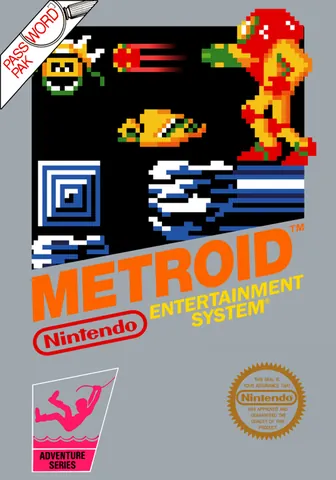 Metroid NES · 1986 (JP) / 1987 (US)
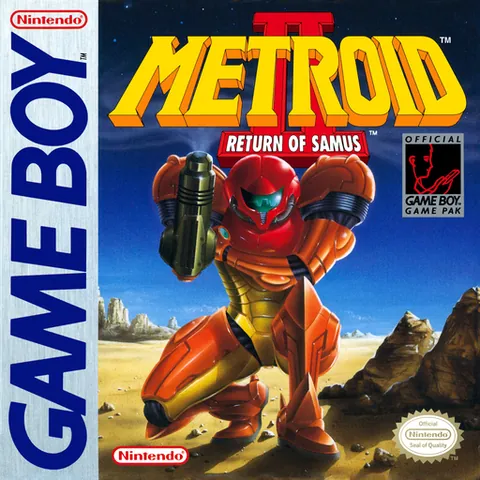 Metroid II: Return of Samus GB · 1991
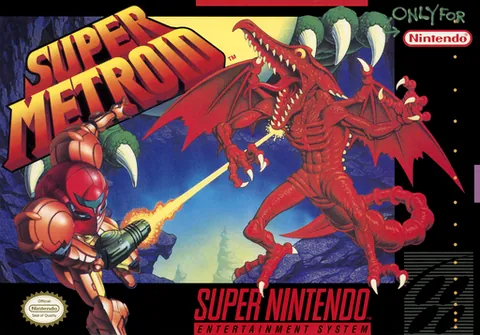 Super Metroid SNES · 1994
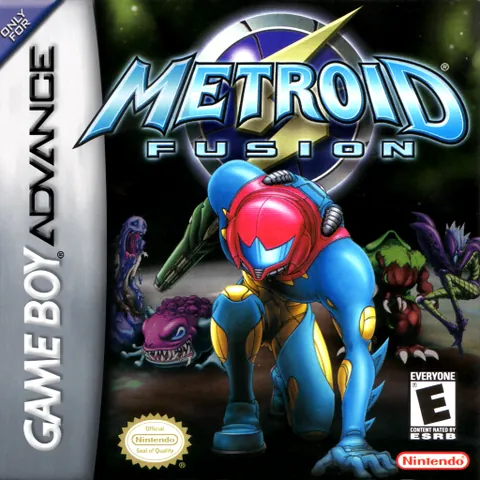 Metroid Fusion GBA · 2002
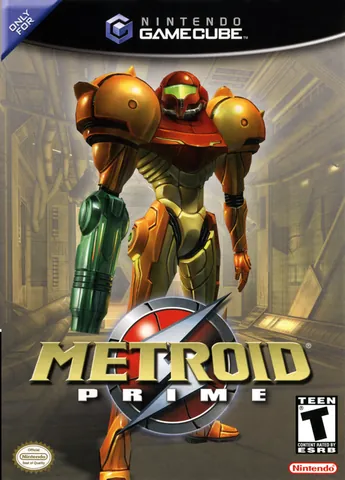 Metroid Prime GCN · 2002
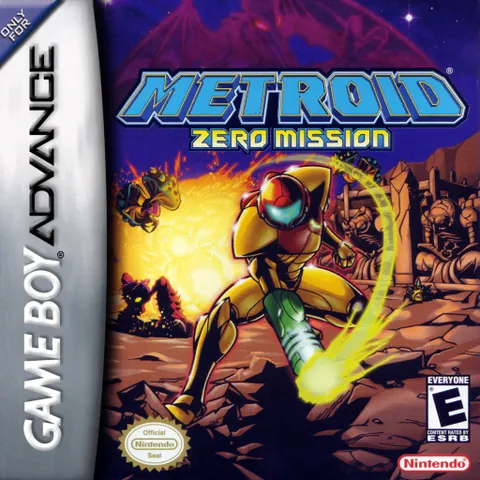 Metroid: Zero Mission GBA · 2004
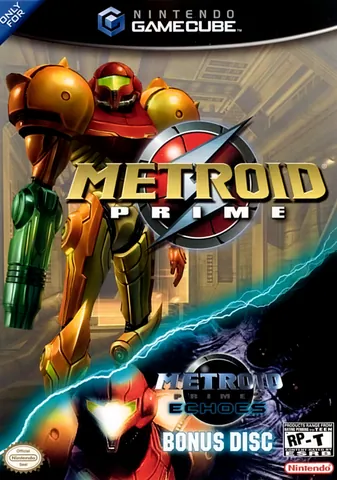 Metroid Prime 2: Echoes GCN · 2004
 Metroid Prime Pinball DS · 2005
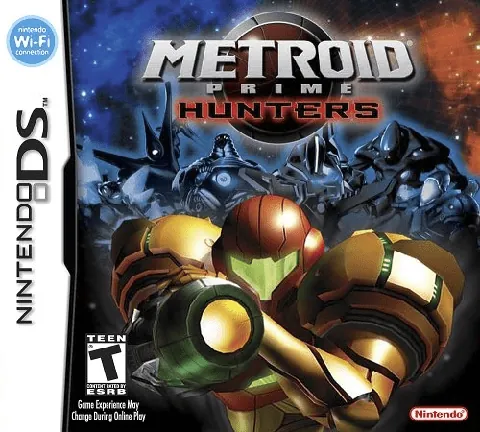 Metroid Prime Hunters DS · 2006
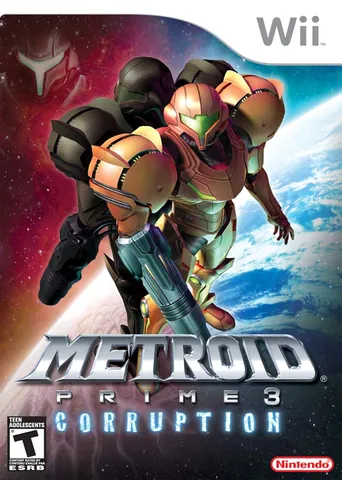 Metroid Prime 3: Corruption Wii · 2007
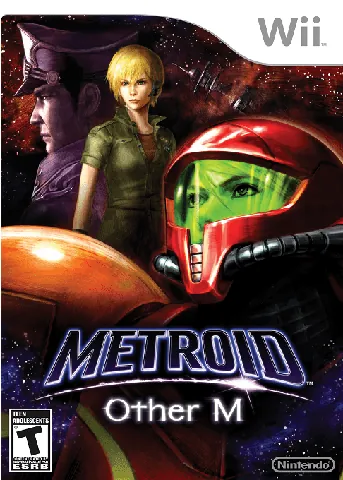 Metroid: Other M Wii · 2010
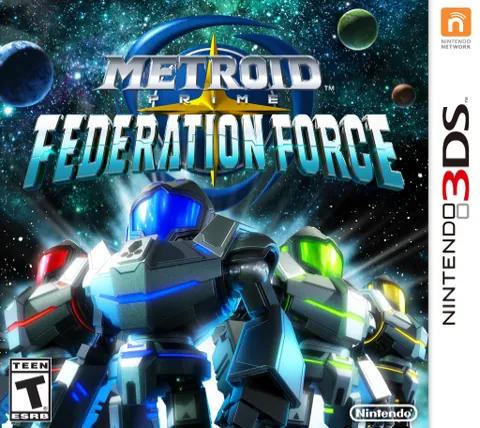 Metroid Prime: Federation Force 3DS · 2016