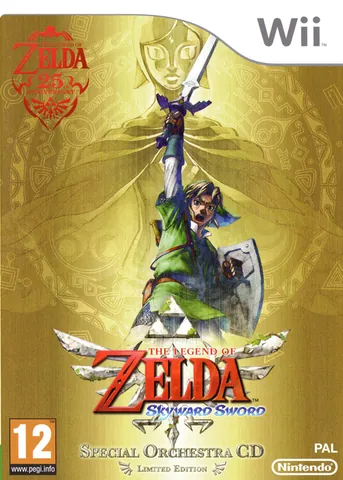
The Legend of Zelda: Skyward Sword
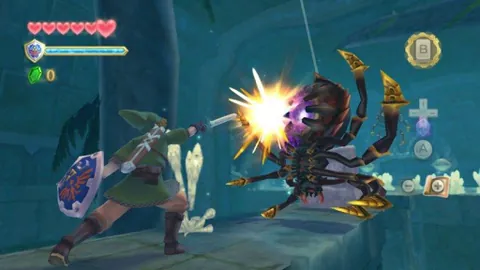
The Legend of Zelda: Skyward Sword is the series' boldest attempt to rewrite its own rules around the possibilities of motion control. The game requires the Wii MotionPlus add-on, and the sword genuinely swings in whatever direction you move your hand. Enemies have their guards set up so that you must find an opening and strike precisely, say vertically from above or diagonally from the right, and some use alternating defenses that force the player to read their stance. Combat thereby shifts from a rhythmic action into something closer to a puzzle, and it is the biggest departure from everything that came before in the series.
The world is split between a floating island above the clouds, where Link lives and flies on a large bird, and three sprawling regions down on the ground. These aren't classic open landscapes but rather extensive puzzles that unlock gradually, where every stretch of space is designed with intent. The temples rank among the most inventive in the entire series, and there are frequent moments where an entire room transforms based on a single switch. The storytelling is more personal than usual, since Zelda is this time Link's childhood friend and the main motivation is to find her, which gives the whole thing an unexpected emotional weight. Flying on the bird between islands works as a calm interlude and, at the same time, as the only truly open environment in the game.
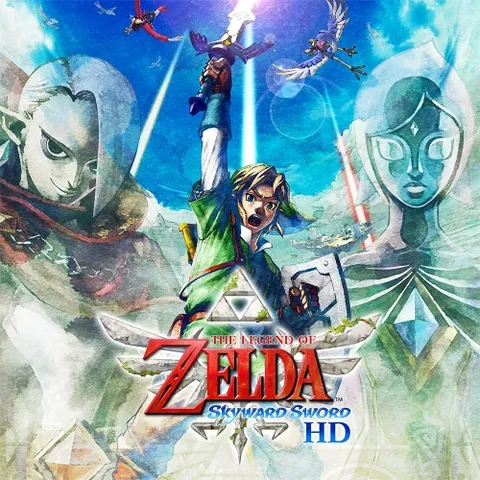
Visually the game leaned into soft, watercolor-like colors that blur into the distance, which helped work around the console's limited resolution, and the result has aged well. For the first time in the series, the music was recorded by an orchestra, and the central theme ranks among the best ever written for Zelda. Reception was very warm at launch, though the game later became a target of criticism for its amount of repetition, a talkative guide, and occasional motion-detection failures. A later release on newer hardware offered classic controls and showed that underneath it all lies a strong, carefully built entry whose story additionally lays the foundation for the entire series mythology and explains the origin of its best-known symbols.
Game 10 of 140 for Nintendo Wii
The same title elsewhere (1)
From the same series The Legend of Zelda →
 The Legend of Zelda: Ocarina of Time - Master Quest GCN
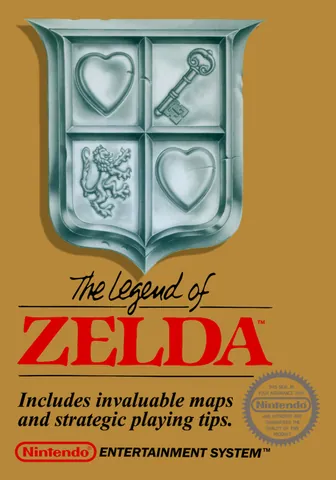 The Legend of Zelda NES · 1986 (JP) / 1987 (US)
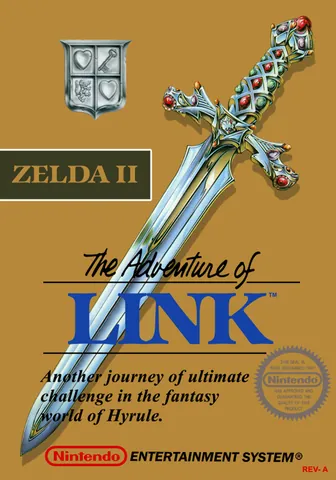 Zelda II: The Adventure of Link NES · 1987 (JP) / 1988 (US)
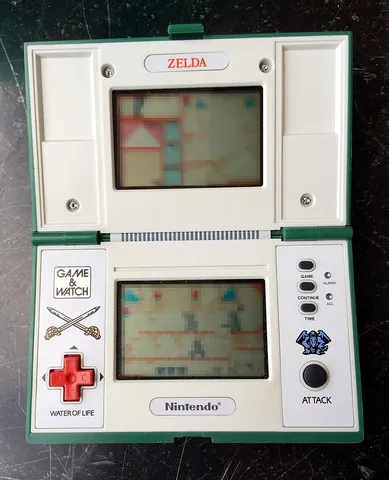 Zelda (G&W) G&W · 1989
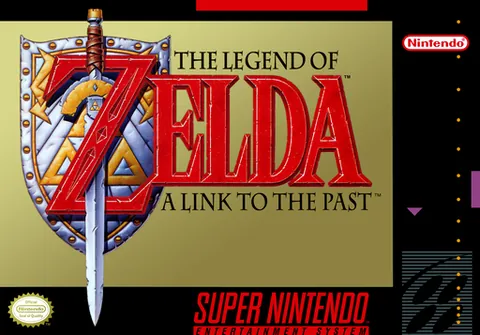 The Legend of Zelda: A Link to the Past SNES · 1991 (JP) / 1992 (US)
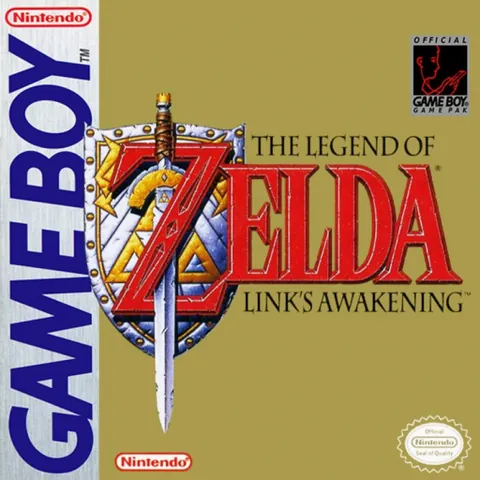 The Legend of Zelda: Link's Awakening (DX) GB · Switch · 1993 (DX 1998)
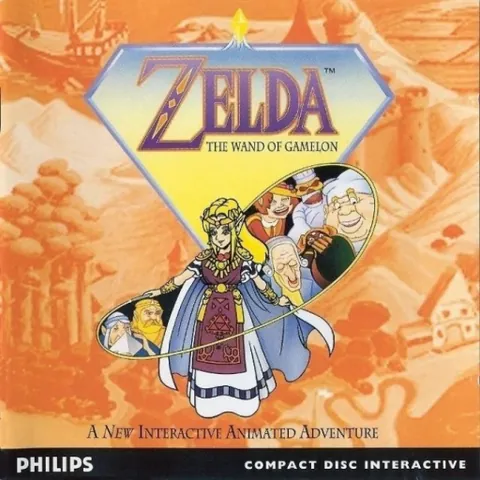 Zelda: The Wand of Gamelon CD-i · 1993
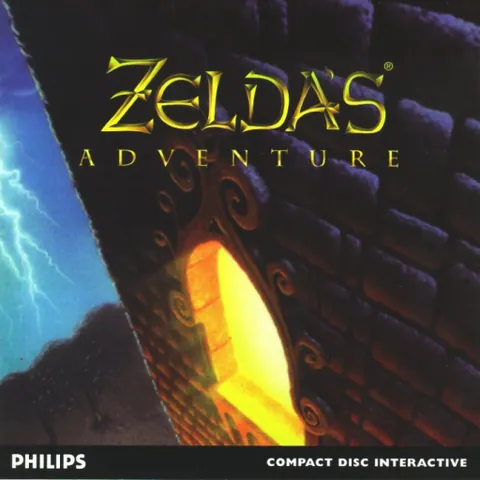 Zelda's Adventure CD-i · 1994
 The Legend of Zelda: Link's Awakening DX GBC · 1998
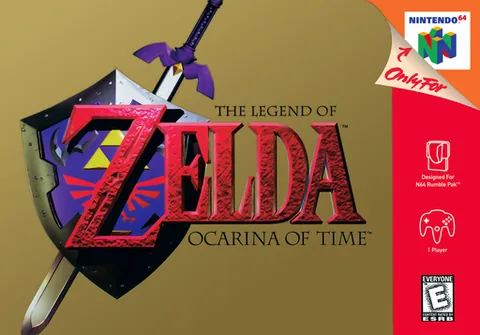 The Legend of Zelda: Ocarina of Time N64 · 1998
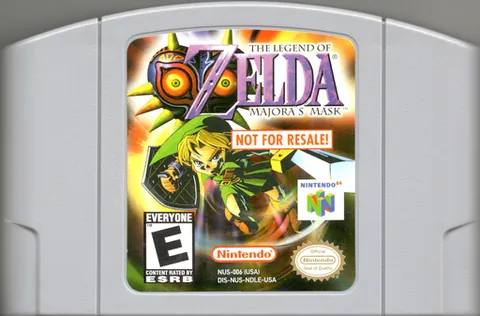 The Legend of Zelda: Majora's Mask N64 · 2000
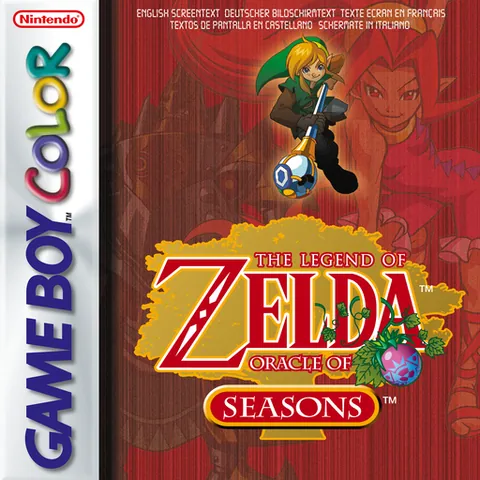 The Legend of Zelda: Oracle of Seasons GBC · 2001