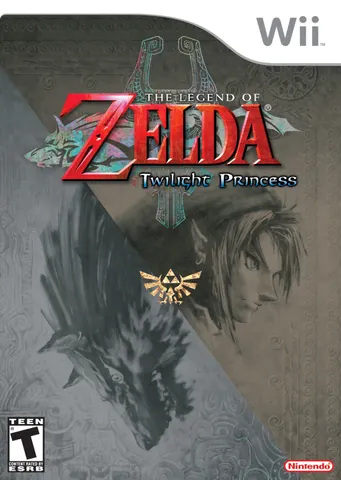
The Legend of Zelda: Twilight Princess
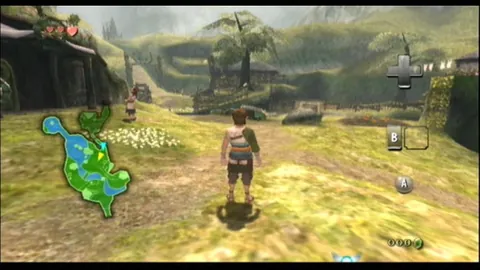
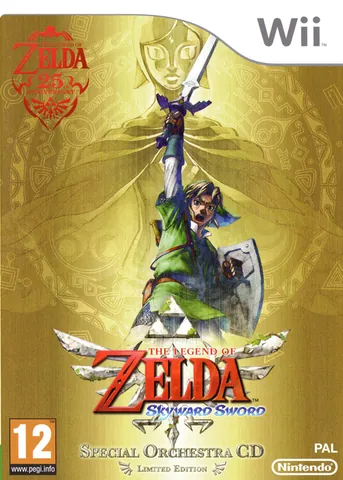
The Legend of Zelda: Twilight Princess accompanied the Wii's launch and, at the same time, became the darkest entry in the series to date. This time Link is a cattle herder from a quiet village whose life is invaded by a spreading shadow called the Twilight, which turns him into a wolf. In animal form he perceives things hidden from human eyes, tracks scents, and teams up with a mysterious being named Midna, who rides on his back and dryly comments on events. Alternating between the two forms gives the game its rhythm: the wolf sections are stealthy and atmospheric, while the human sections are classic Zelda fare, full of temples, new items, and sword duels.
The structure stays true to tradition. Every temple hides a central tool that opens the way forward and then comes in handy against the boss, whether it's a double-hookshot, a heavy ball and chain, or an item that alters gravity. The Wii version was mirrored for control reasons, so Link is right-handed, swings his sword with a flick of the remote, and aims his bow or slingshot with the on-screen cursor. It isn't true one-to-one motion tracking, more a set of gestures, but in combat it feels surprisingly natural and quickly becomes second nature. Horseback riding, mounted duels, and several large-scale clashes under the open sky rank among the strongest moments in the entire series.
Graphically, it was a title designed for the previous generation, which shows in the resolution and a handful of bare textures, but that doesn't diminish the atmosphere at all. The muted palette, tinted gray and brown, and the sprawling Hyrule countryside feel melancholic, and the music builds on calm, sweeping themes that swell to full force at key moments. The game was very well received and, for a great many people, became their very first experience with the Wii. Over time, a debate grew up around it over whether it preserved the series in amber rather than moving it forward, since it repeats much of the structure of the earlier Ocarina of Time. Even so, today it holds up as a thorough, lengthy, and narratively confident adventure for fans of classic dungeons.
Game 2 of 140 for Nintendo Wii
The same title elsewhere (2)
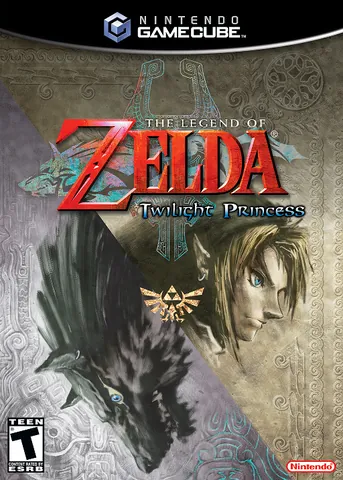
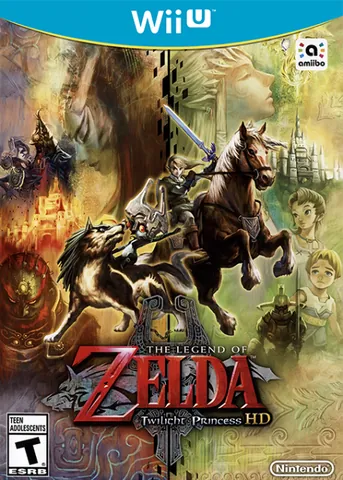
From the same series The Legend of Zelda →
 The Legend of Zelda: Ocarina of Time - Master Quest GCN
 The Legend of Zelda NES · 1986 (JP) / 1987 (US)
 Zelda II: The Adventure of Link NES · 1987 (JP) / 1988 (US)
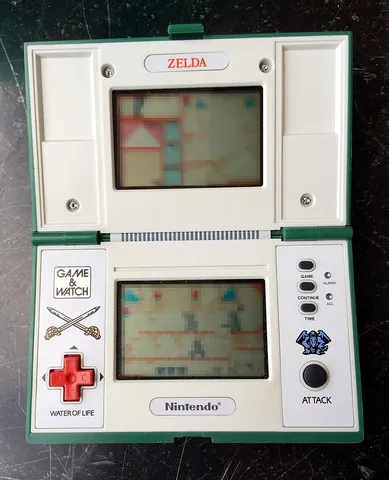 Zelda (G&W) G&W · 1989
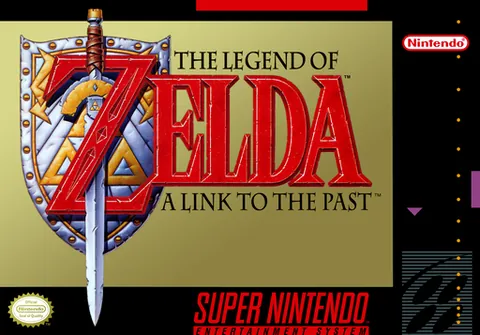 The Legend of Zelda: A Link to the Past SNES · 1991 (JP) / 1992 (US)
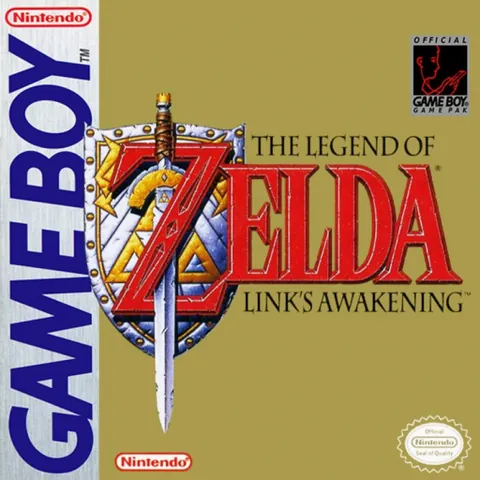 The Legend of Zelda: Link's Awakening (DX) GB · Switch · 1993 (DX 1998)
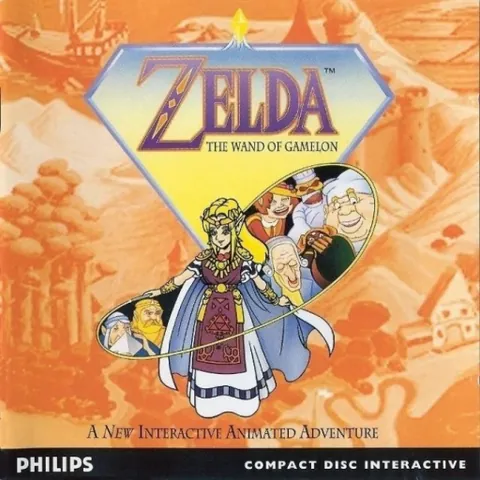 Zelda: The Wand of Gamelon CD-i · 1993
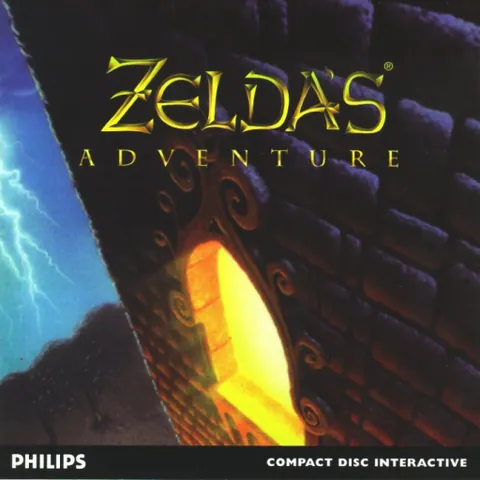 Zelda's Adventure CD-i · 1994
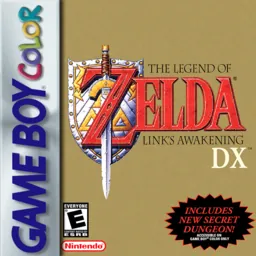 The Legend of Zelda: Link's Awakening DX GBC · 1998
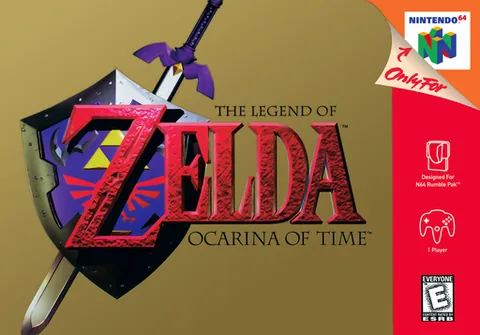 The Legend of Zelda: Ocarina of Time N64 · 1998
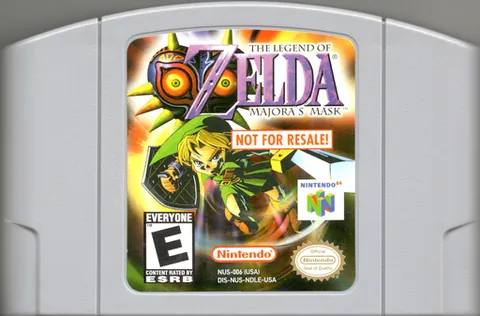 The Legend of Zelda: Majora's Mask N64 · 2000
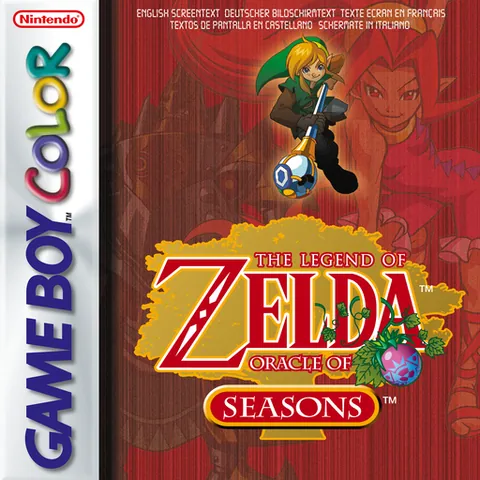 The Legend of Zelda: Oracle of Seasons GBC · 2001