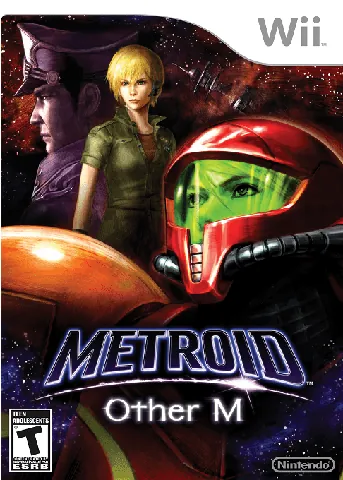
Metroid: Other M
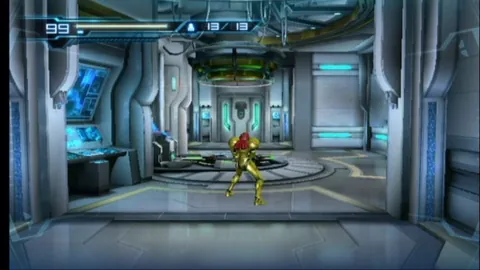
Metroid: Other M is the most discussed installment of the entire series and also an attempt to combine two things that at first glance don't fit together: the lonely exploration typical of Metroid and the fast action of Japanese fighting games. Samus Aran arrives at an abandoned space station where she finds traces of experiments, and together with soldiers of the Galactic Federation discovers what actually happened there. The emphasis on storytelling is unusually strong; the game contains long cinematic scenes and for the first time in the series gives Samus a pronounced inner voice.
The controls are unusual. The player holds the Wii Remote sideways like a classic gamepad and moves with the d-pad, meaning only in eight directions, which gives the game the rhythm of old action games. Whenever it's necessary to fire a missile or examine the surroundings, you turn the controller toward the screen and the game switches to first person, in which, however, you cannot move. The transition is fast and looks effective, but it also forces you to change your grip at the most tense moments. Combat is rounded out by last-second dodges and finishing attacks up close, which make the action snappy and flashy. The classic exploration and upgrade-hunting remains, but it's noticeably more linear, and most abilities the player only receives with a superior's permission, which bothered a lot of people.
Technically it's one of the most beautiful games on Wii, with a clean station design, good effects, and a smooth framerate. The music is restrained and lets the environmental sounds stand out. Reviews were mixed, praising the action side and the look, but sharply criticizing the handling of the main character and the linearity. To this day the game still divides fans of the series into two camps. Anyone who approaches it without expecting another Prime will find a brisk action adventure with several very strong moments. Its length is shorter by the series' standards and the game plays briskly, which paradoxically helps it today, because it doesn't dwell needlessly. It's also interesting for remaining the only attempt to combine Metroid with the Japanese action school, while later entries returned to tried-and-true approaches.
Game 28 of 140 for Nintendo Wii
From the same series Metroid →
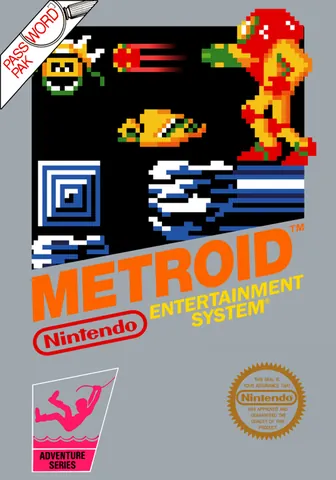 Metroid NES · 1986 (JP) / 1987 (US)
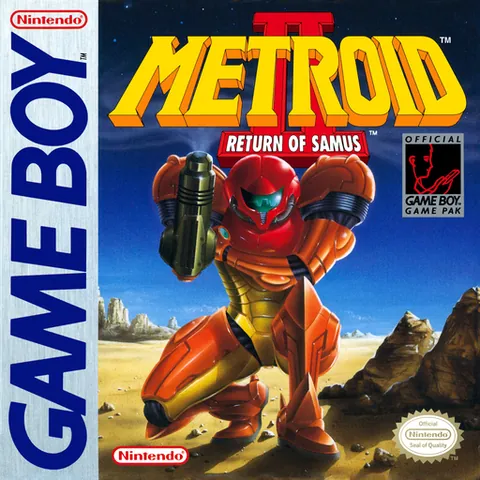 Metroid II: Return of Samus GB · 1991
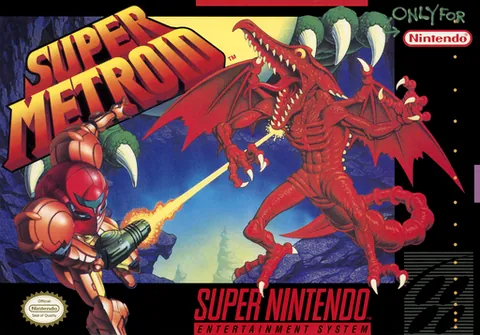 Super Metroid SNES · 1994
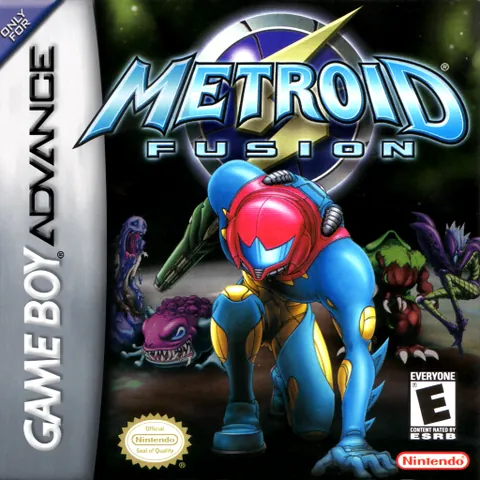 Metroid Fusion GBA · 2002
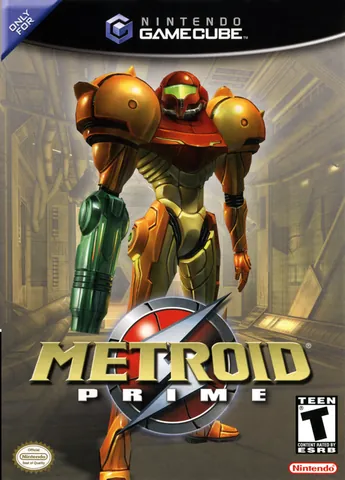 Metroid Prime GCN · 2002
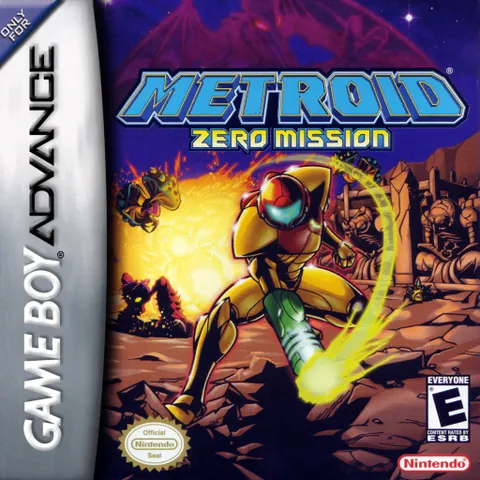 Metroid: Zero Mission GBA · 2004
 Metroid Prime 2: Echoes GCN · 2004
 Metroid Prime Pinball DS · 2005
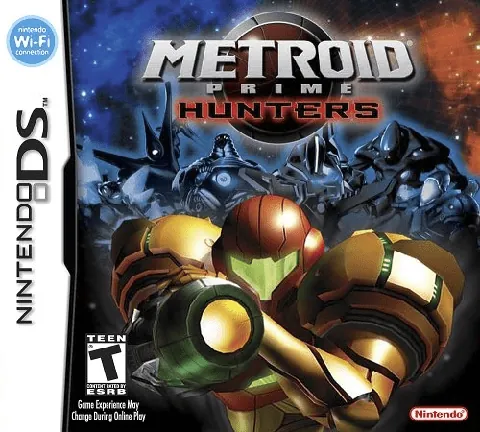 Metroid Prime Hunters DS · 2006
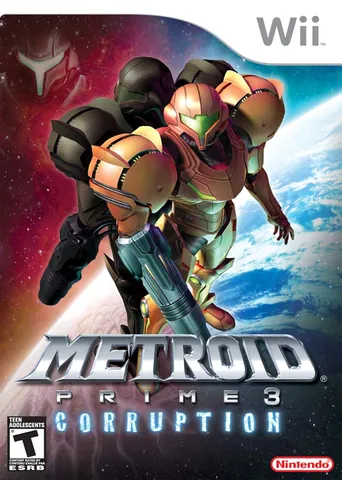 Metroid Prime 3: Corruption Wii · 2007
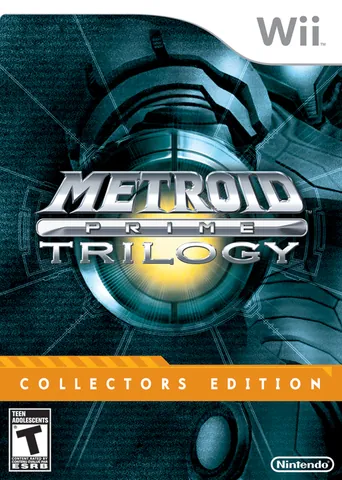 Metroid Prime Trilogy Wii · Wii U · 2009
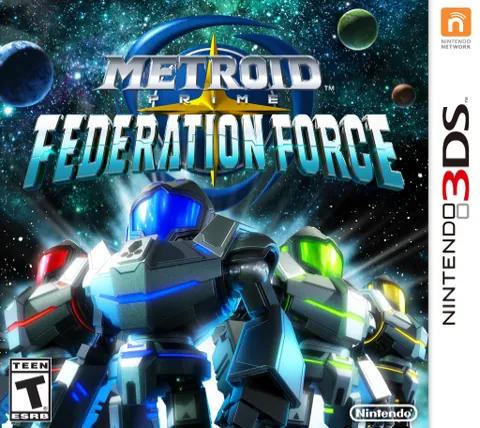 Metroid Prime: Federation Force 3DS · 2016