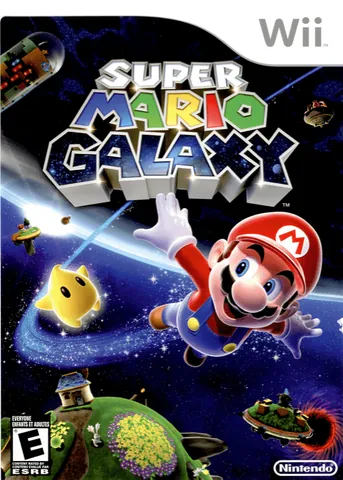
Super Mario Galaxy
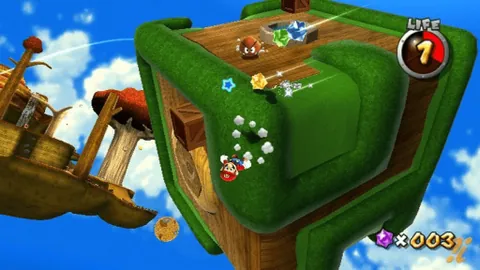
Super Mario Galaxy took the classic platformer and launched it, quite literally, into space. Mario no longer runs across one continuous world here, but leaps between tiny planetoids, each with its own gravity. Run across the edge of a round asteroid and you won't fall into the void — you'll appear on its far side, upside down. This single idea transformed the established geometry of platforming: a level can be read from every side, the player constantly reassesses what's up and what's down, and the camera turns with them so smoothly that after a few minutes you simply stop questioning it. The story is, as usual, just an excuse. Bowser kidnaps the princess along with her entire castle and hurls them into space, and Mario collects stars at a flying observatory that serves as a hub to the individual galaxies.
The controls combine classic analog movement on the Nunchuk with the Wii Remote's pointer. The cursor collects star bits, which can be fired at enemies, and a flick of the remote makes Mario perform a spin that stuns opponents or activates various mechanisms. Alongside this, the game hands out specialized suits: Bee Mario stays airborne and climbs honeycombs, Ghost Mario passes through walls, and Ice Mario runs across water. Each galaxy is short, dense, and built around a single idea, so the game never repeats itself. A second player can pick up another remote and help out with the cursor, which makes it a great game for parents to play with their kids.
Technically, it was one of the console's most beautiful titles. The colorful palette, clean shapes, and fluid animation disguised the fact that the Wii had noticeably weaker hardware than its rivals. For the first time in the main series, the music was recorded by a real orchestra, and the symphonic themes gave the game an unexpectedly festive, almost majestic feel that suits a journey among the stars perfectly. Critics received it enthusiastically, and it's still ranked among the best games of its generation today. Its influence can be seen in how later 3D Mario games leaned toward short, concentrated levels. Even after all these years, Super Mario Galaxy feels fresh, and only the pointer-based aiming gives away that it was made in an era when Nintendo was experimenting with motion controls.
Game 1 of 140 for Nintendo Wii
From the same series Mario →
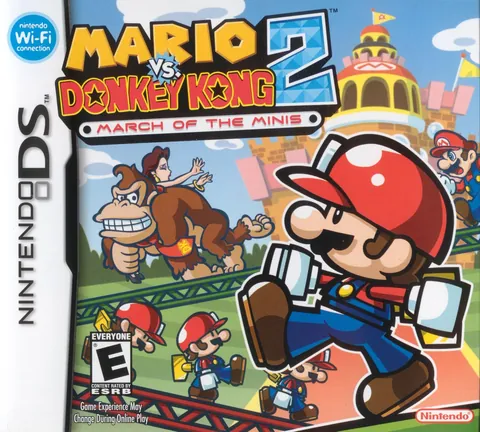 Mario vs. Donkey Kong 2: March of the Minis DS
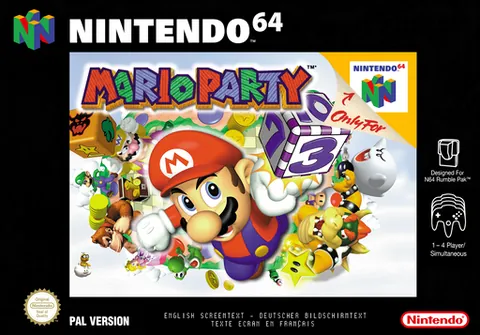 Mario Party 1–3 N64
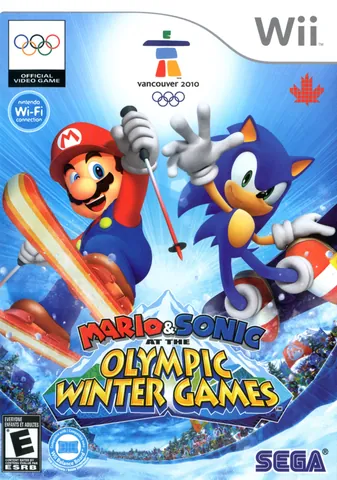 Mario & Sonic at the Olympic Winter Games Wii · DS
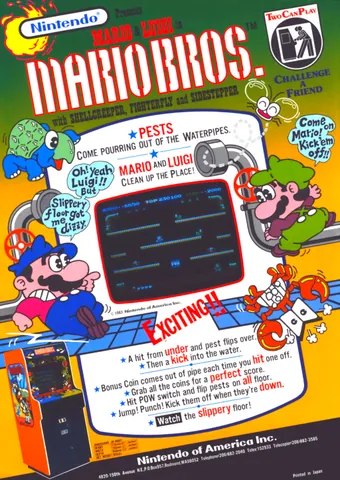 Mario Bros. MAME · 2600 · G&W · 1983
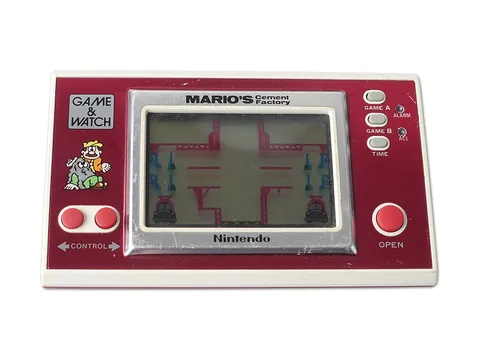 Mario's Cement Factory G&W · 1983
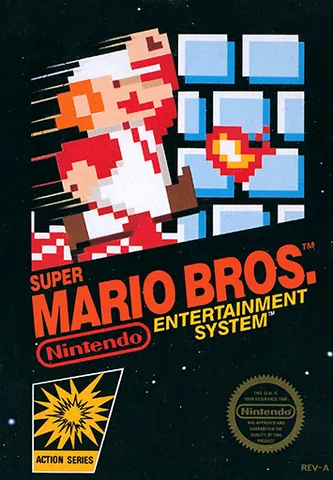 Super Mario Bros. NES · 1985
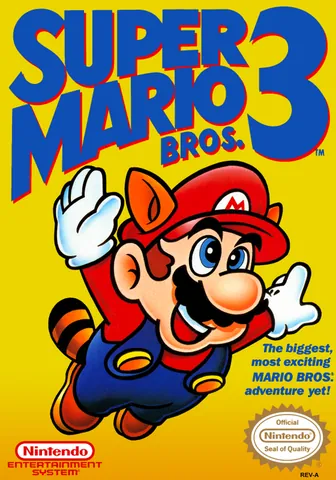 Super Mario Bros. 3 NES · 1988 (JP) / 1990 (US)
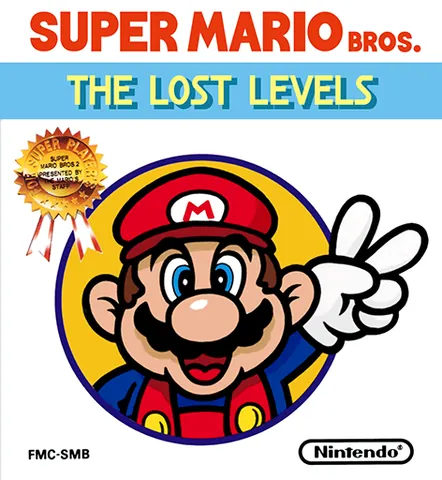 Super Mario Bros. 2 NES · 1988
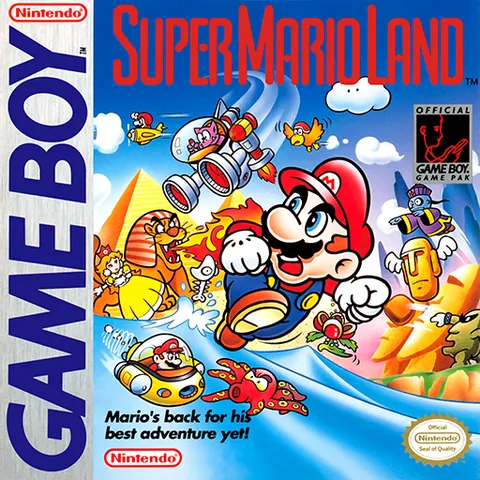 Super Mario Land GB · 1989
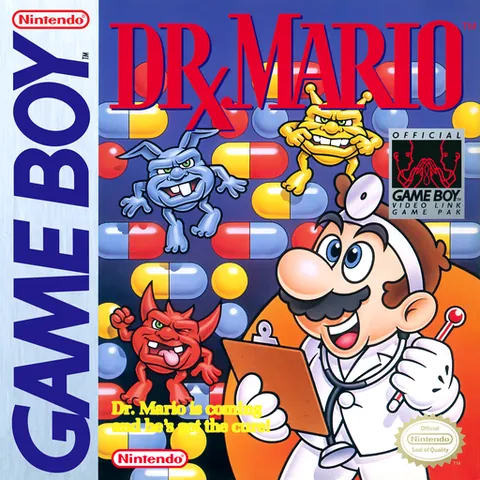 Dr. Mario GB · NES · 1990
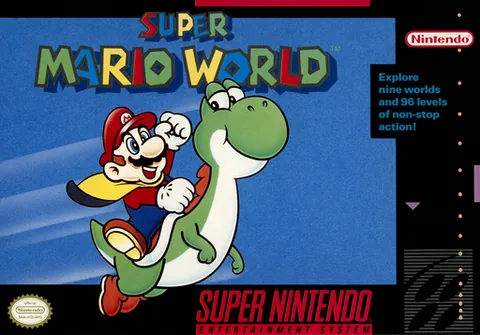 Super Mario World SNES · 1990 (JP) / 1991 (US)
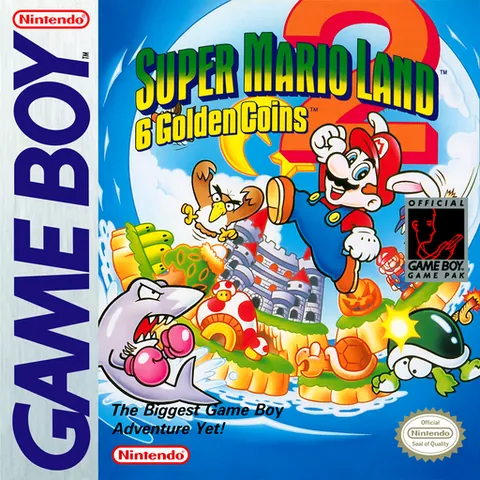 Super Mario Land 2: 6 Golden Coins GB · 1992