 SEGA · 1985
Game consoles
SEGA Master System
History & context
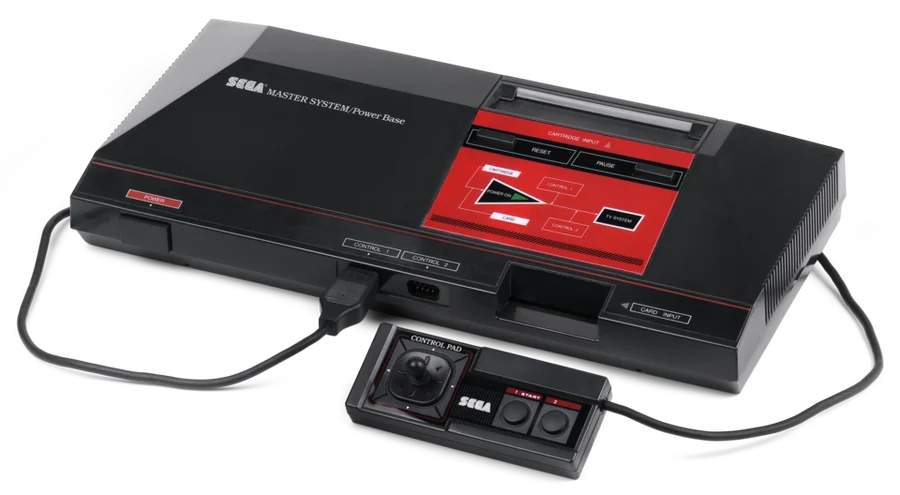
The SEGA Master System is something of a forgotten hero of the eight-bit era. When SEGA launched it in Japan in 1985 (as the Sega Mark III, later renamed) and a year later in the United States, it pitted the machine directly against Nintendo and its NES. It lost the battle for the North American and Japanese markets decisively — Nintendo had locked up most third-party developers with tough licensing contracts, so the Master System was a technically decent console left with empty software shelves.
But then there is Europe and Brazil. Here the story flips. On the old continent, where Nintendo was far from having such a head start, the Master System made a strong mark and became the first console for an entire generation of players. And in Brazil, where distribution was taken over by the company Tectoy, the platform lived on for an incredibly long time — new games, variants and redesigns kept appearing there well into the new millennium. For retro gamers, the Master System is a likeable discovery: it feels like "a better NES that nobody remembered".
Technology: graphics and sound
At the heart of the console is the eight-bit Zilog Z80 processor running at roughly 3.58 MHz — the same family known to owners of the ZX Spectrum or MSX. Graphics are handled by the VDP video chip derived from the Texas Instruments TMS9918, which SEGA significantly improved. The result is a resolution of 256×192 pixels and a palette of 64 colors, of which up to 32 can be shown on screen at once (two palettes of sixteen). Compared to the NES, which made do with noticeably poorer and often "dirty" coloring, this was a tangible step forward — Master System games look richer and cleaner.
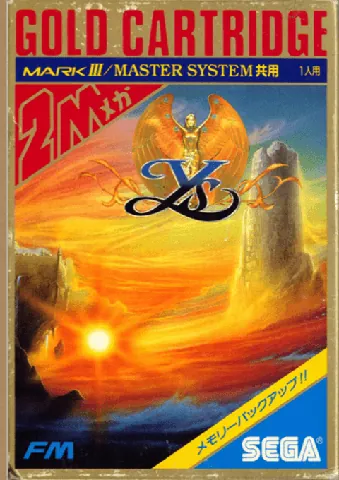
The hardware could handle up to 64 sprites with smooth background scrolling, which the ports of SEGA arcade titles put to good use. The weak point, on the other hand, was sound: the basic SN76489 (PSG) chip offers three tone channels and one noise channel. It is functional, but compared to the competition it is more of a beep. The Japanese version and Japanese cartridges additionally supported an expansion with the Yamaha YM2413 chip (FM synthesis), so a title run on a Japanese Master System sounded a class richer than the same game on a European console.
Connectivity and peripherals
The Master System had a varied range of accessories for its time. The best known is the Light Phaser — a light gun for shooters such as Safari Hunt or Rambo III. The pinnacle, however, was the SegaScope 3-D Glasses, active shutter glasses for stereoscopic 3D in a handful of titles (Zaxxon 3-D, Maze Hunter 3-D). In the mid-eighties this was a remarkably bold experiment.
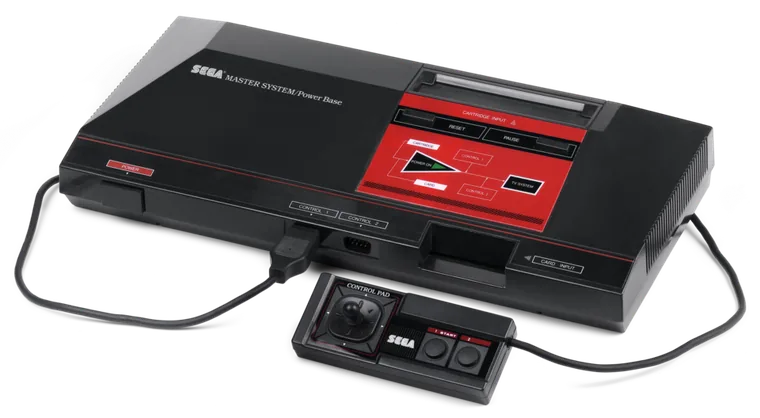
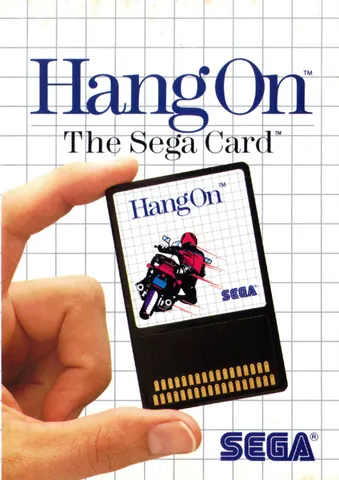
An interesting solution was the dual media format: alongside classic cartridges, the console also read thin Sega Cards (My Card) for cheaper, smaller games. Standard features were two controller ports, a separate Pause button right on the console, and on the first model a built-in game in memory. The picture was connected via RF or composite AV.
Models and revisions
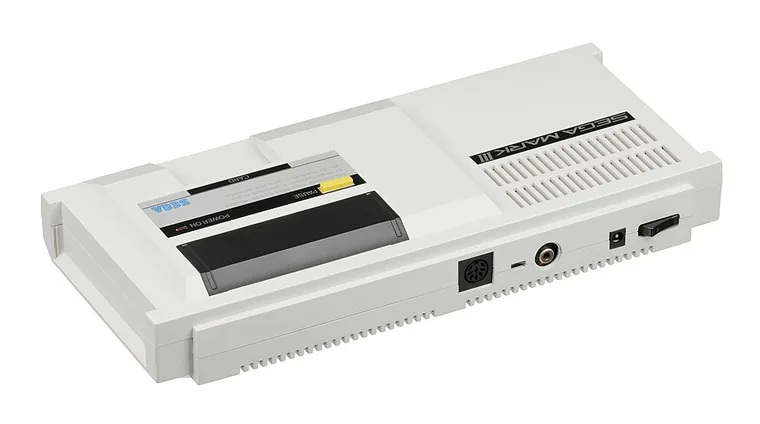
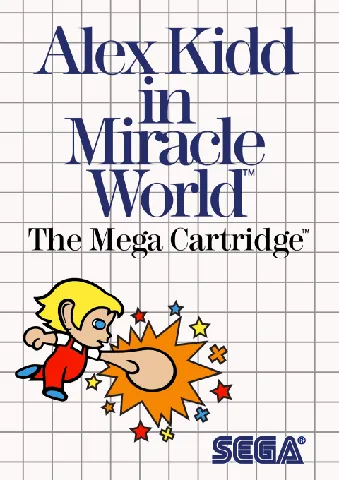
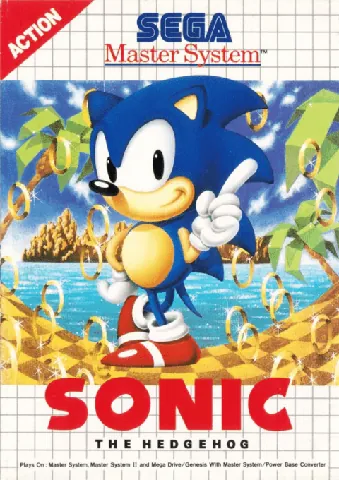
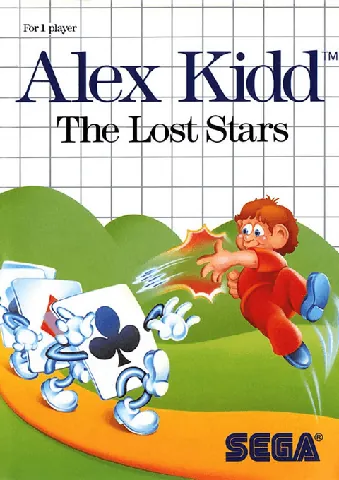
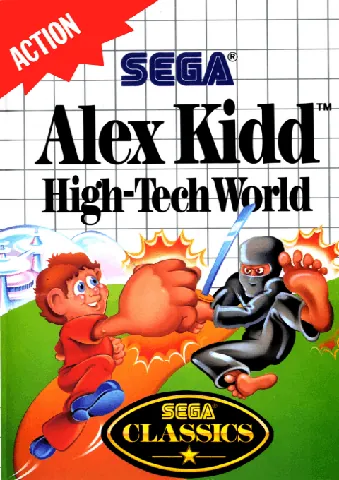
The original Master System (1986) was a bulky black box with control buttons and a card slot. In 1990 came the Master System II — a cheaper and smaller redesign that dropped the card slot, the reset button and the connector for the 3D glasses, and instead of Snail Maze it usually had an eight-bit Alex Kidd in Miracle World built in (Sonic in some regions). The Japanese base was formed by the Sega Mark III with the option of an FM sound unit.
In Brazil, an endless range of its own variants emerged under the Tectoy brand — from portable versions to models with hundreds of pre-installed games, released long after the platform had long been dead elsewhere in the world.
Clones and variants
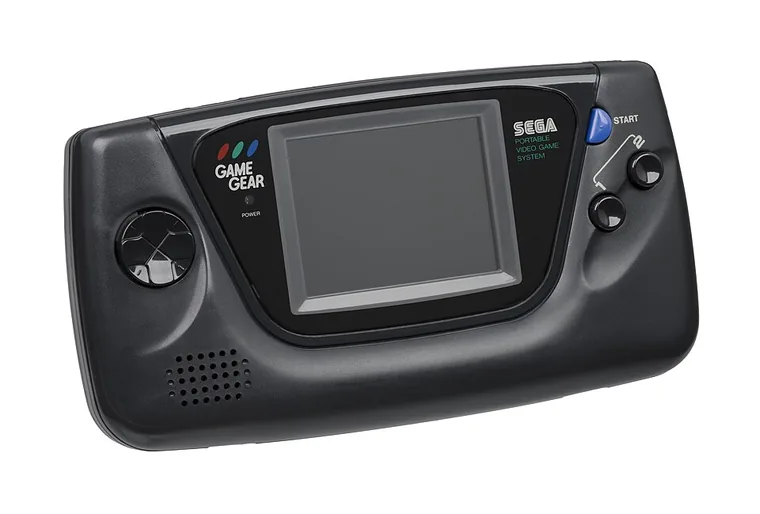
The Master System shares the vast majority of its hardware and library with the handheld Game Gear — which is essentially a portable Master System with a backlit display, so both platforms are emulated practically together today. Brazil's Tectoy additionally produced licensed clones and continued local development.
For Czech and Czechoslovak players it is fair to admit that the Master System was not as widespread here as the ZX Spectrum that dominated our market and its clone the Didaktik, nor as the later NES-based famiclones such as the Pegasus. Even so, in Europe generally it made a much more visible mark than in the USA, so nostalgic memories of it are stronger here than across the ocean.
Today's scene
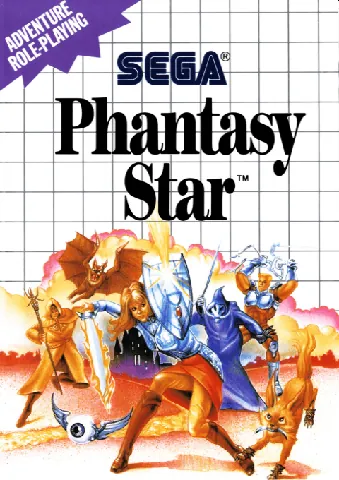
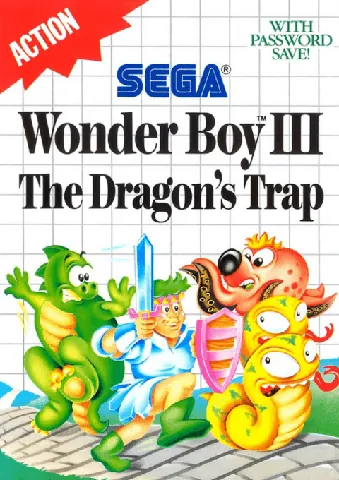
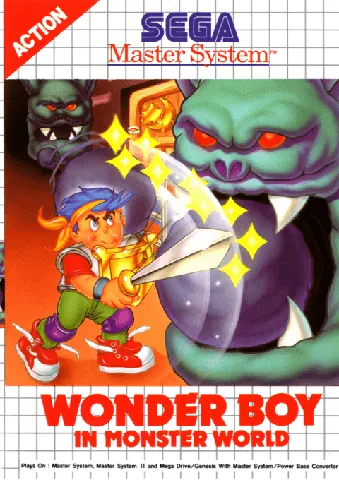
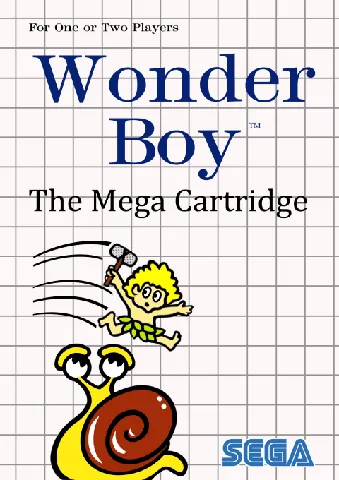
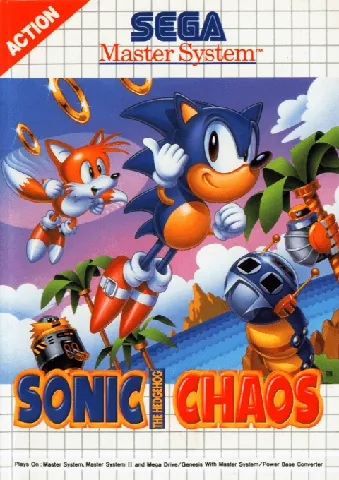
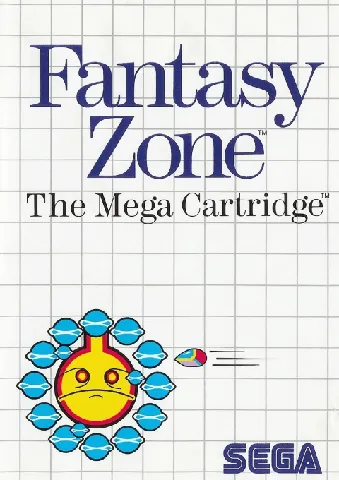
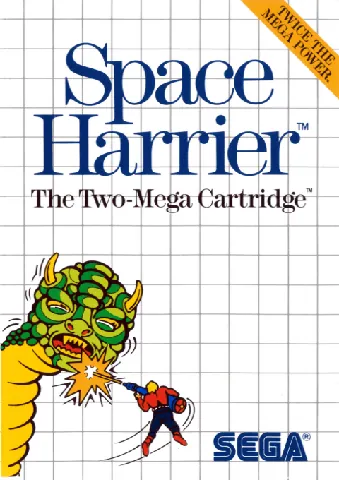
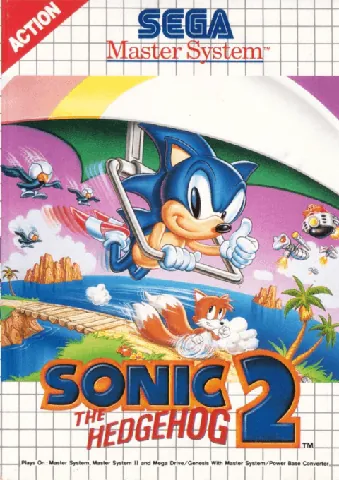
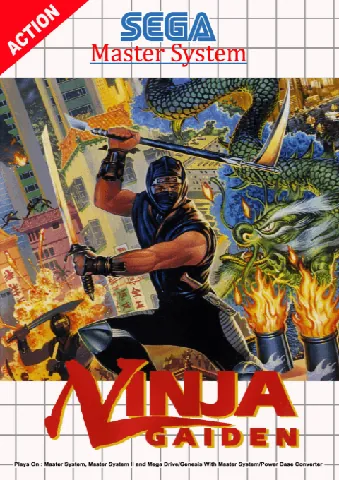
Emulating the Master System is trivial today — practically any device can handle it, including cheap Chinese handhelds. The library has its gems: the pioneering RPG Phantasy Star with 3D dungeons, the excellent Wonder Boy series (especially The Dragon's Trap), the eight-bit Sonic line, and SEGA's original mascot Alex Kidd. Many other titles were arcade ports such as Shinobi, Space Harrier or Fantasy Zone.
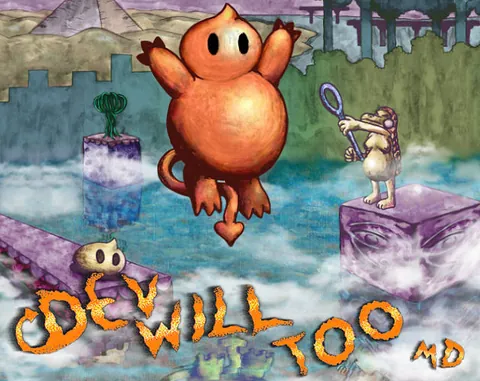
The platform is moreover still alive on the creative side: modern homebrew is being released, for example the platformer Devwill Too, and not infrequently even physically on new cartridges. The Master System thus remains an ideal choice for anyone who has the NES classics behind them and wants to get to know the eight-bit era from a different, more richly colored angle.
Games on this platform (67)
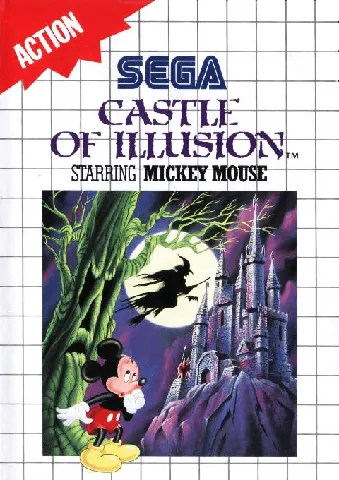
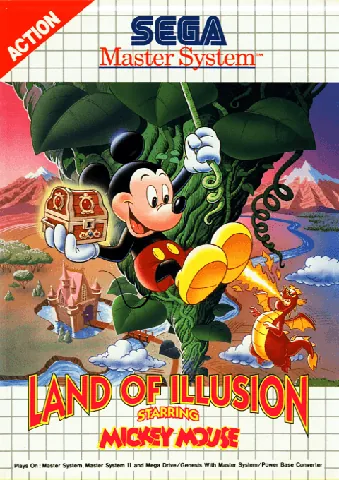
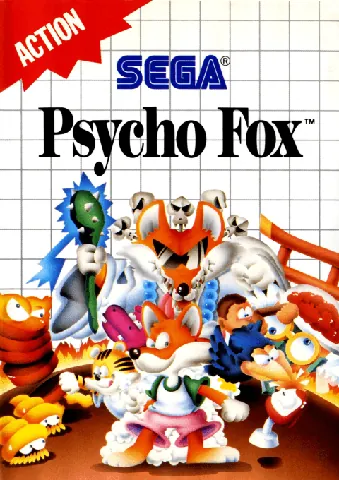
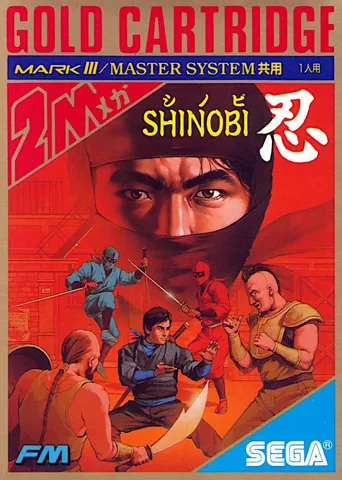
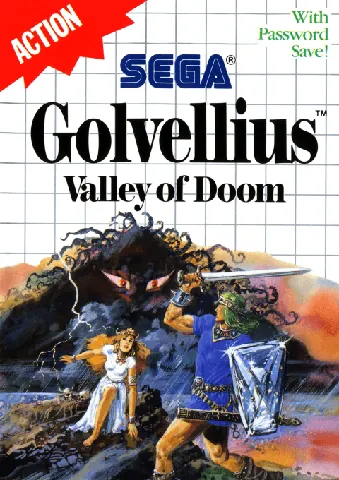
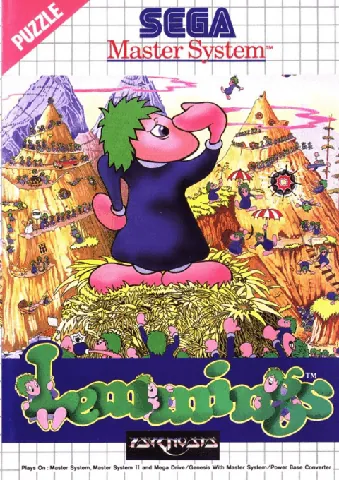
Lemmings
A brilliant puzzle game from DMA Design, later creators of GTA; save the marching lemmings.
No game in this genre.