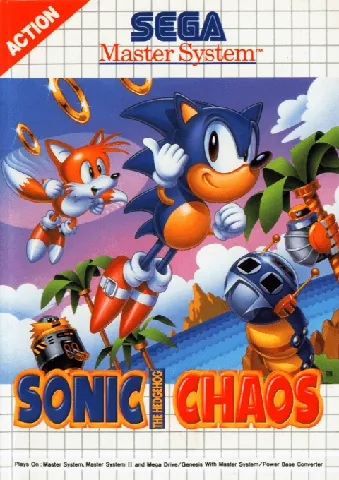
Sonic Chaos
Sega never treated 8-bit Sonic as a mere carbon copy of his big brother, and Sonic Chaos is clear proof of that. This standalone 8-bit line, worked on mainly by the Aspect and Ancient studios (not Sonic Team), lived a life of its own and built its own rules. What's more, the Master System version runs on the handheld Game Gear without a hitch, so it was a title tailored for two platforms at once.
The most striking difference from the 16-bit installments lies in the hunt for the Chaos Emeralds — instead of being earned in special bonus stages, here they are hidden right inside the levels. That turns the game into more thorough exploration: if you want to collect everything, you have to probe the nooks, search out hidden paths and not rely on simply blasting through a level from start to finish. The pace is brisk, but the design rewards curiosity.
The peak of the whole 8-bit line is the somewhat later Sonic the Hedgehog: Triple Trouble from 1994 — larger, more technically accomplished and with sidekick Tails at your side. Many fans consider it the best 8-bit Sonic ever offered, and proof of how much juice could be squeezed from limited hardware when the game was made by people who understood it.
By 8-bit standards these are handsome, smoothly playable platformers with colorful graphics and catchy music. The very fact that this branch of the series forged its own path instead of slavishly copying the console hits still earns it a solid reputation among collectors and Sega enthusiasts.
Why play: A distinct 8-bit Sonic line with the emeralds hidden right inside the levels — brisk, yet exploratory. And if it grabs you, the excellent Triple Trouble awaits.
Game 7 of 67 for SEGA Master System
The same title elsewhere (1)
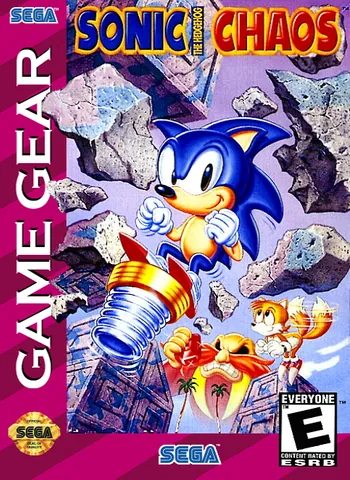
Sonic Chaos was made by studios Aspect and Ancient as another entry in the standalone 8-bit line, independent of Sonic Team, and both the Master System and Game Gear versions share the same level design and the same Sonic and Tails. The difference again comes down to hardware: the Game Gear's smaller screen shows a shorter stretch of track ahead, forcing quicker reactions to jumps and enemies, but rewards you with more vivid colors thanks to its wider palette. The Master System, in turn, gives a wider view and a calmer pace. The two platforms sound very similar. Prefer clarity — pick the Master System; prefer portability — pick the Game Gear.
From the same series Sonic the Hedgehog →
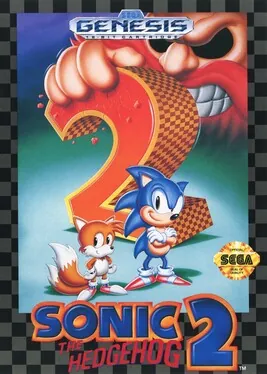 Sonic the Hedgehog 2 GG · Mobil · MD · SMS
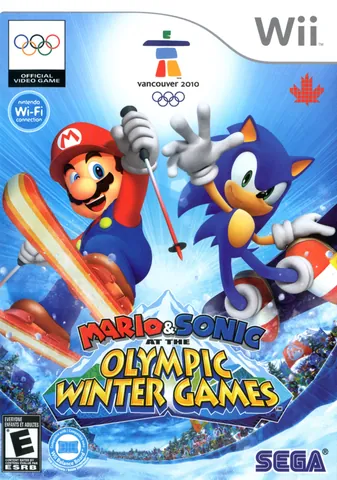 Mario & Sonic at the Olympic Winter Games Wii · DS
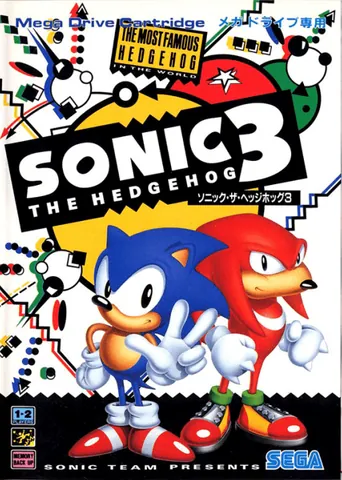 Sonic the Hedgehog 1–3 MD · 1991–1994
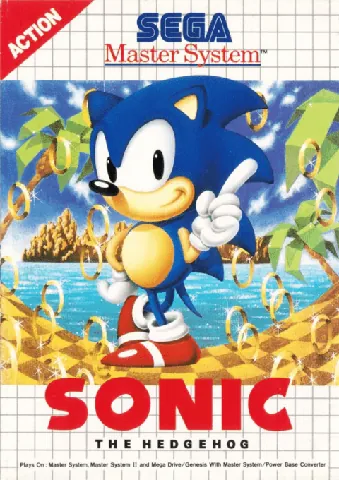 Sonic the Hedgehog (8-bit) SMS · GG · Java ME · 1991
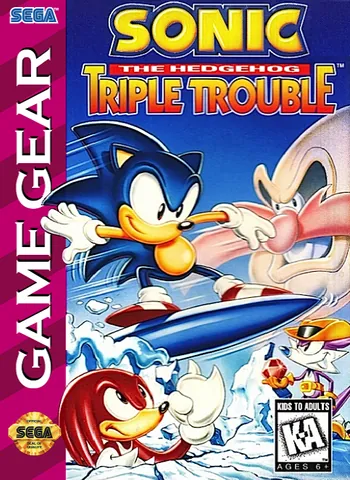 Sonic Triple Trouble GG · 1991–1994
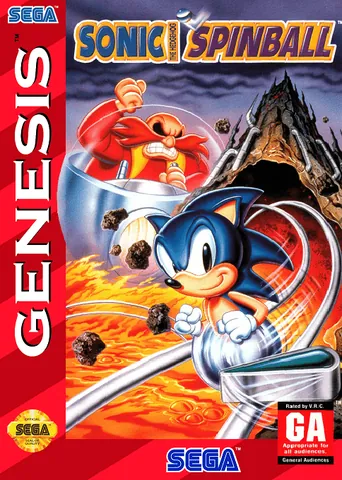 Sonic Spinball MD · 1993
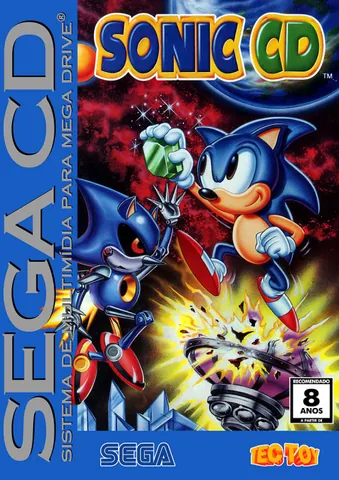 Sonic CD MCD · Mobil · 1993
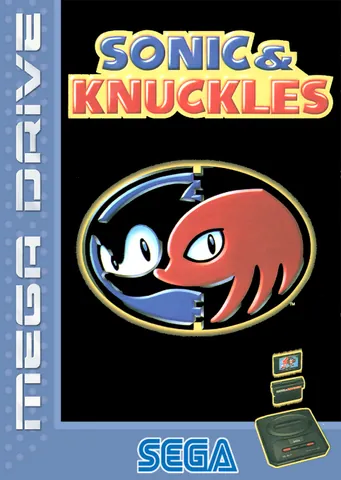 Sonic & Knuckles MD · 1994
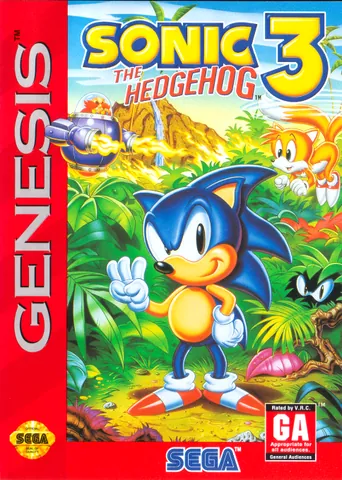 Sonic the Hedgehog 3 MD · 1994
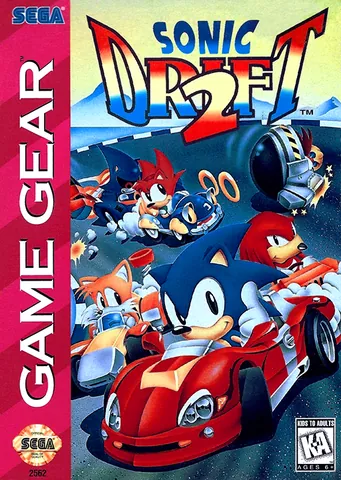 Sonic Drift 2 GG · 1995
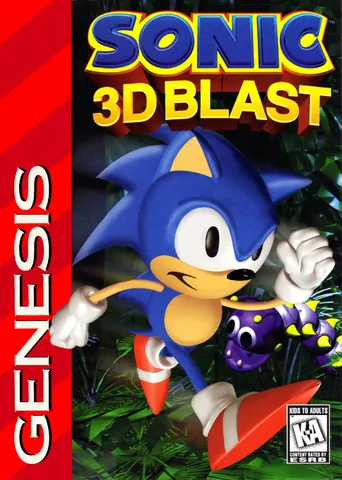 Sonic 3D Blast MD · Saturn · 1996
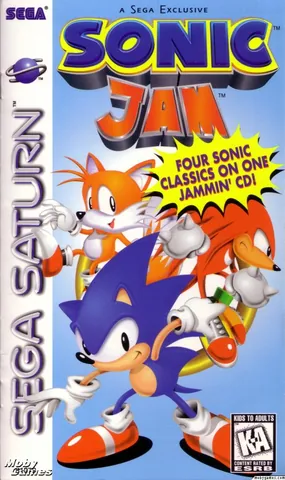 Sonic Jam Saturn · 1997