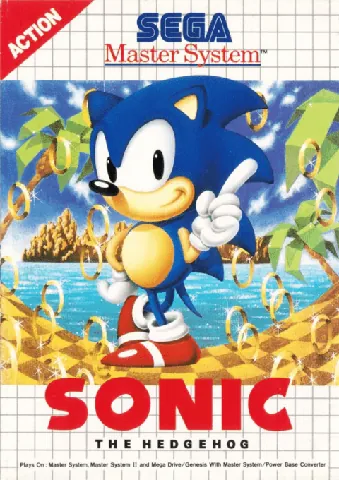
Sonic the Hedgehog (8-bit)
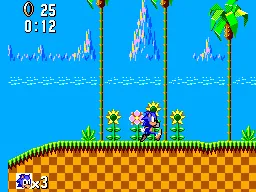
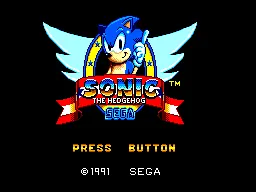
When SEGA needed to bring its new blue star to owners of cheaper eight-bit hardware as well, a separate eight-bit version of Sonic the Hedgehog was created for the Master System (and simultaneously for the handheld Game Gear). It was not a mere trimming-down of the famous sixteen-bit version from the Mega Drive — it is its own game with different levels, a different pace, and a design tailored to the console's more modest performance.
The foundation remains unmistakably Sonic: you barrel forward, collect golden rings, bounce off loops and springs, and try to stop Doctor Robotnik. But the eight-bit hardware could not manage the dizzying speed for which the sixteen-bit original was famous, so this version places considerably more emphasis on platforming precision and exploration than on sheer speed. The result is a game that plays more deliberately — at times almost like a classic platformer with fast interludes.
Visually it is fine work given the Master System's capabilities: legible, colorful levels with solid animation of the main hero and instantly recognizable series iconography. The catchy music does its part, and the overall impression is surprisingly full-fledged — for players who could not afford a Mega Drive, it was a gateway into Sonic's world that certainly did not feel like a poor relation.
Thanks to its different level construction, eight-bit Sonic offers its own experience even for those who know the Mega Drive version by heart. It is a historically important piece: it showed that SEGA could carry its new flagship brand across the entire spectrum of its hardware and appeal to players with thinner wallets too.
Why play it: A standalone eight-bit take on the icon — slower and more platform-focused, but a full-fledged Sonic with its own levels, worth playing through even today.
Game 6 of 67 for SEGA Master System
The same title elsewhere (1)
The 8-bit versions for Master System and Game Gear were developed in parallel by studio Ancient and aren't simple shrinkings of the 16-bit hit — they're their own game with unique levels. The main difference between the two comes down to the screen: the Master System's higher resolution shows more of the track ahead, giving players time to react to obstacles and enemies, while the Game Gear's smaller viewport brings them into view closer up, demanding quicker reflexes. The Game Gear's palette is richer, giving the picture more vivid colors, and the sound chips are comparable. For a calmer pace, pick the Master System; for gaming on the move, the Game Gear delivers.
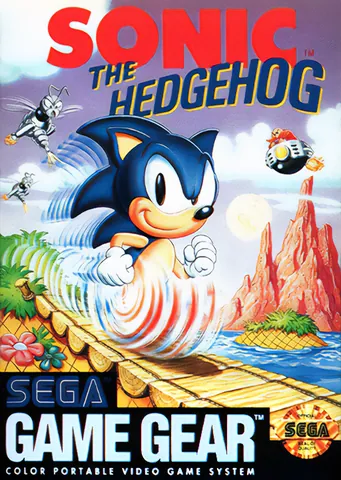
From the same series Sonic the Hedgehog →
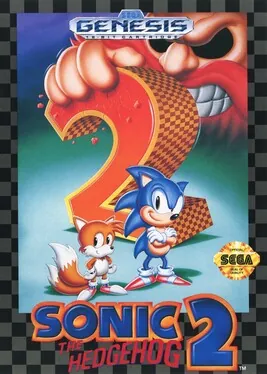 Sonic the Hedgehog 2 GG · Mobil · MD · SMS
 Mario & Sonic at the Olympic Winter Games Wii · DS
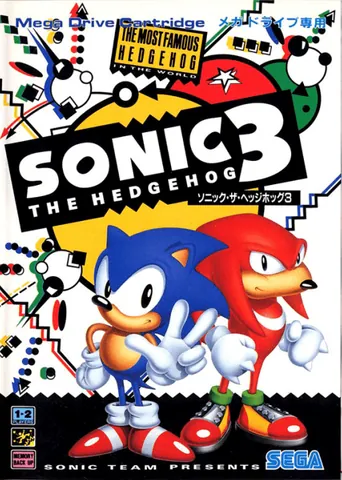 Sonic the Hedgehog 1–3 MD · 1991–1994
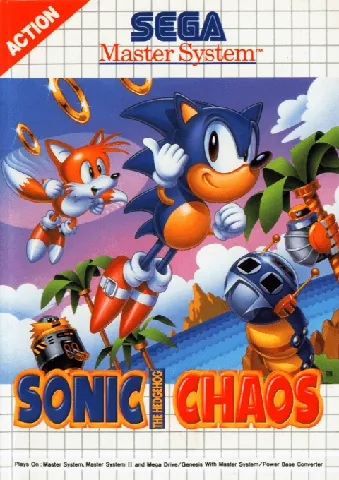 Sonic Chaos SMS · GG · 1991–1994
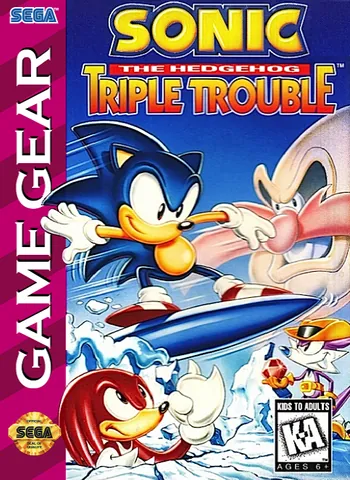 Sonic Triple Trouble GG · 1991–1994
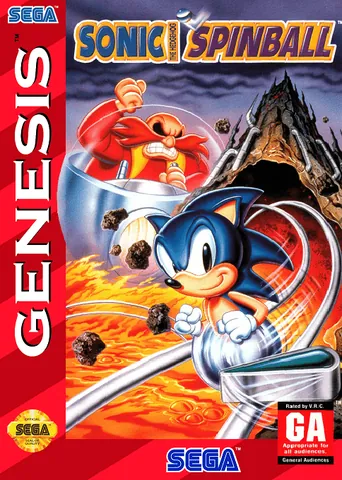 Sonic Spinball MD · 1993
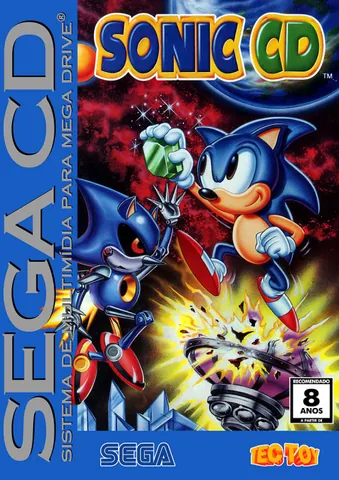 Sonic CD MCD · Mobil · 1993
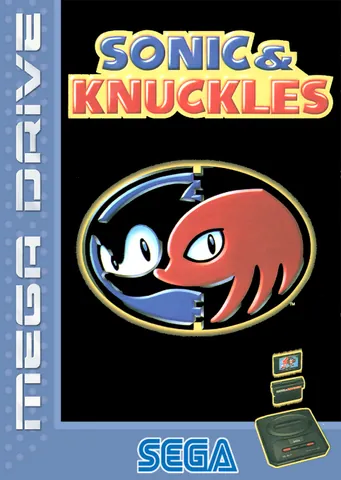 Sonic & Knuckles MD · 1994
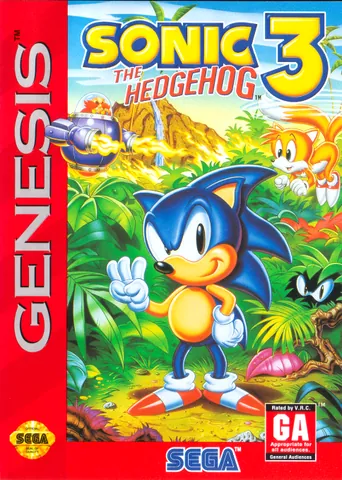 Sonic the Hedgehog 3 MD · 1994
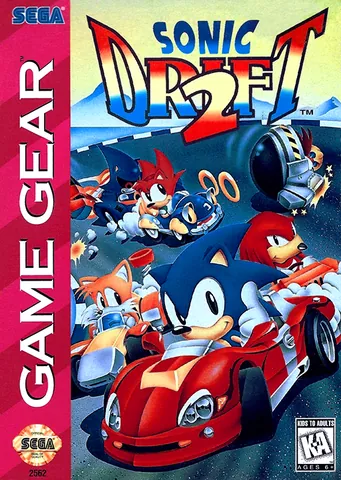 Sonic Drift 2 GG · 1995
 Sonic 3D Blast MD · Saturn · 1996
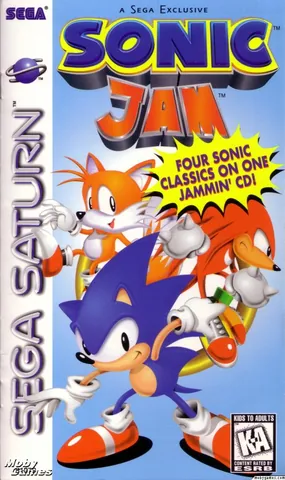 Sonic Jam Saturn · 1997