Shadow of the Beast
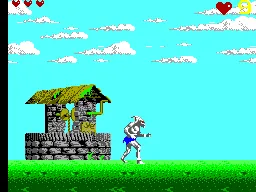
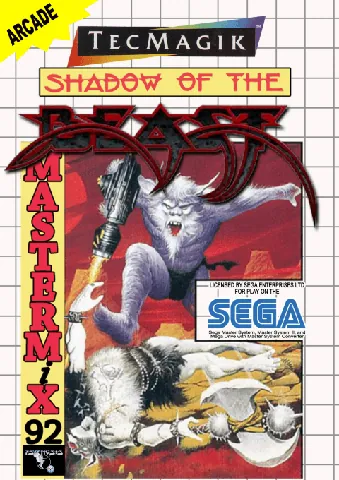
When that giant, deformed tree in the background came to life on your TV screen and the horned beast set off running across the dusty plain, you knew this wasn't an ordinary platformer. Shadow of the Beast was in its day more a technology demonstration than a game, and on the eight-bit SEGA Master System console it was given a peculiar task: to recall the legendary visual experience that had originally stunned owners of the Amiga computer.
In gameplay terms it's a side-scrolling platformer with action elements. You control a man who was once abducted and transformed into a monster serving a dark lord, and you gradually recall your humanity. You walk through vast, interconnected locations, fight enemies with punches and kicks and search for a way forward. The game is famous for its uncompromising difficulty — few lives, no mercy and a combat system that is raw rather than refined. Anyone without a map in their head got lost.
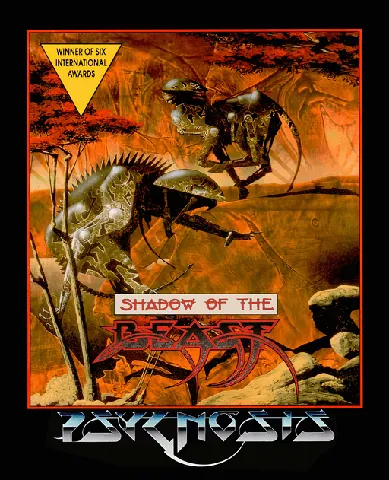
The original Shadow of the Beast from 1989 was created by the British studio Reflections and published by Psygnosis, whose owl logo became a symbol of ambitious graphics. On the Amiga the game excelled with layered parallax scrolling and David Whittaker's atmospheric soundtrack. Porting to weaker console hardware was always a compromise — the Master System couldn't fully replicate the Amiga's miraculous multi-layered parallax, so the version feels noticeably more modest.
Culturally, the Shadow of the Beast series was important mainly for how it shifted perceptions of what a computer game was capable of displaying. For many players of the late eighties it was the first moment a game looked almost like a moving image from a fantasy poster. Psygnosis built a brand on this renown, and the company later became one of the key studios for the PlayStation.
Today the game is approached mainly as an atmospheric artefact of its time. The gameplay has aged harshly, but the mood of a lonely journey through a bizarre, inhospitable world still has its charm. The series saw sequels and a later modern reboot, but the original visual shock remains what is remembered most.
Why play it: If you want to experience a slice of history when graphics could take people's breath away, and you don't mind harsh, old-fashioned difficulty.
Game 29 of 67 for SEGA Master System
The same title elsewhere (3)
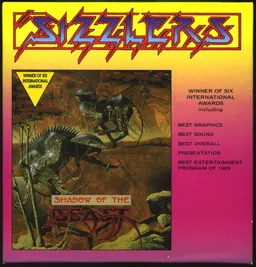
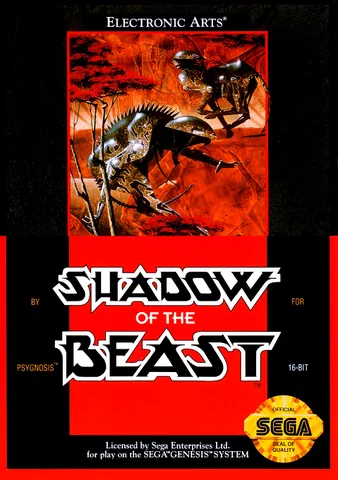
On the Amiga in 1989 the game showed what it could do – smooth multi-layer parallax backgrounds, dozens of colours on screen and David Whittaker's atmospheric soundtrack turned it into a technical showcase, even though gameplay stayed stiff and unforgivingly hard. The Atari ST followed the same concept but its weaker graphics chip meant fewer scrolling layers and rougher colour transitions, leaving the atmosphere flatter. The 8-bit SEGA Master System had to cut the most – palette and background resolution shrank considerably and the parallax was simplified, yet it remained an impressive feat for its time. The SEGA Mega Drive version tried to approach the Amiga original using hardware layers but never quite reached its visual depth. The Amiga remains the best way to experience it today.