 Atari · 1986
Game consoles
Atari 7800
History & context
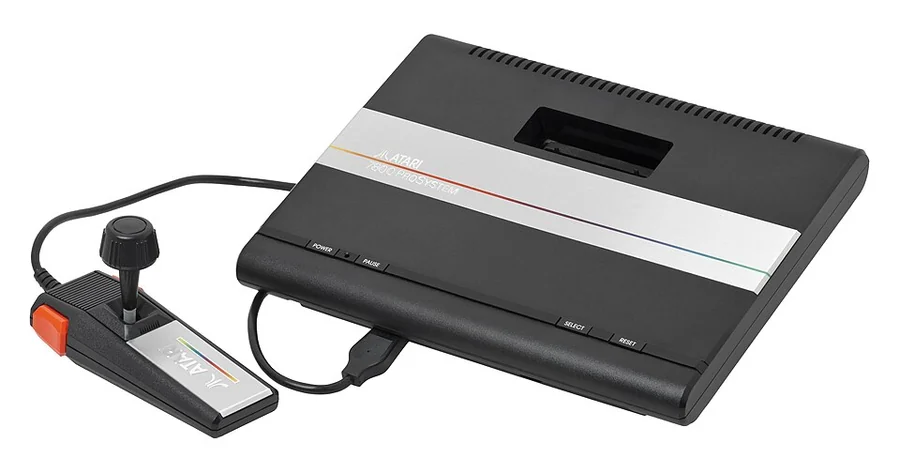
The Atari 7800 ProSystem is one of the most intriguing "what if" chapters in the history of the gaming industry. The console was ready as early as 1984, when General Computer Corporation designed it for Atari as the successor to the famous but technically aging 2600. However, the North American video game crash and the subsequent sale of Atari's home division to Jack Tramiel got in the way. The finished console thus ended up in a warehouse, and its official market launch only came in 1986. By then, though, Nintendo dominated the scene with its NES, and the Atari 7800 was cast from the start as an outsider fighting for the scraps of attention.
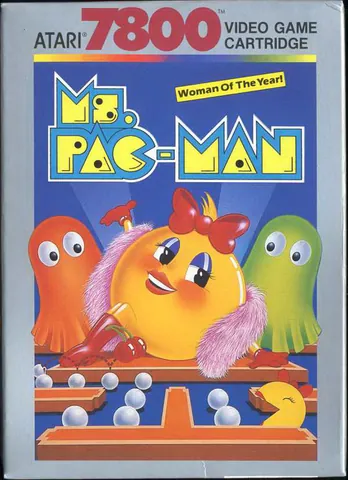
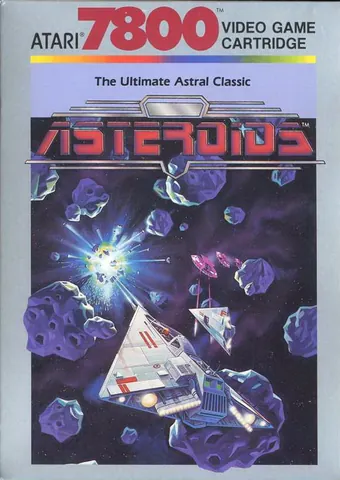
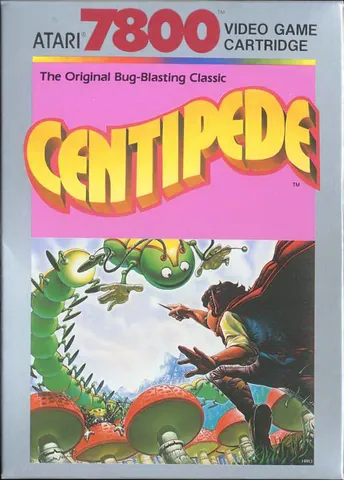
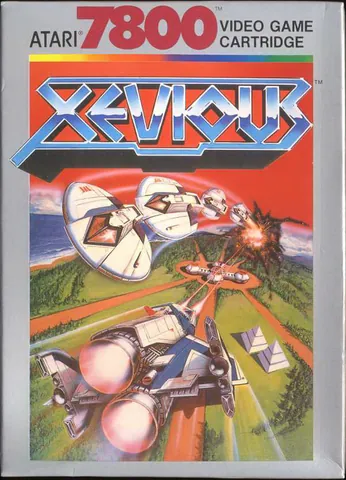
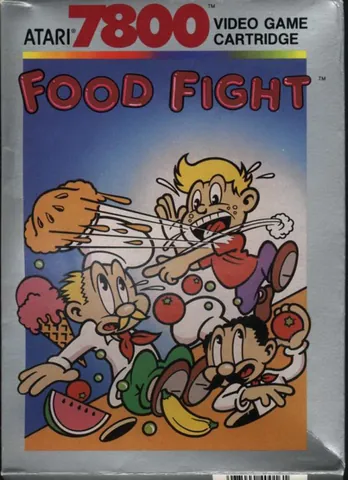
Even so, it was a machine with several clever ideas. The biggest draw for owners at the time was backward compatibility with the Atari 2600 library – you just plugged in an old cartridge and the console behaved like its predecessor. Atari thus offered instant access to hundreds of games, which was a strong argument in its day. The 7800's own library was never large, but it contained solid arcade conversions such as Ms. Pac-Man, Centipede, Asteroids, as well as unconventional titles like Ninja Golf and Food Fight.
Technology: graphics and sound
At the heart of the console is the eight-bit Atari SALLY (6502C) processor running at roughly 1.79 MHz. The real star, however, is the graphics chip nicknamed MARIA. It worked differently from the competition of the time: instead of a fixed number of hardware sprites, it processed so-called "display lists," which let it put a large number of moving objects on the screen at once. For games full of enemies and projectiles this was a major advantage, and in this respect the 7800 even outdid the NES. MARIA could handle a palette of 256 colors, and games commonly displayed more colors on screen than many of its rivals allowed.
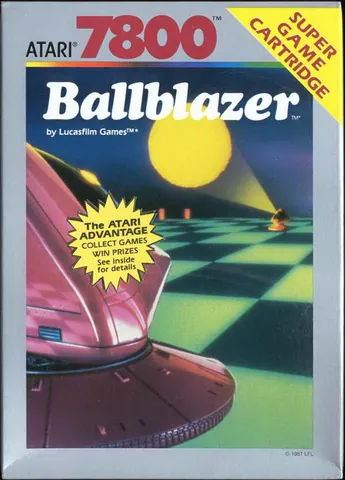
The weak point, on the other hand, was sound. The console relied on the old TIA chip inherited from the Atari 2600, which offered only two simple channels and belonged sonically to the previous generation. On top of that, MARIA consumed so many system resources that little power was left for music. Atari therefore counted on more demanding games getting a POKEY sound chip placed directly in the cartridge – but this succeeded with only a handful of titles, for example the home version of Ballblazer. Most games thus sound significantly poorer than they look.
Connections and peripherals
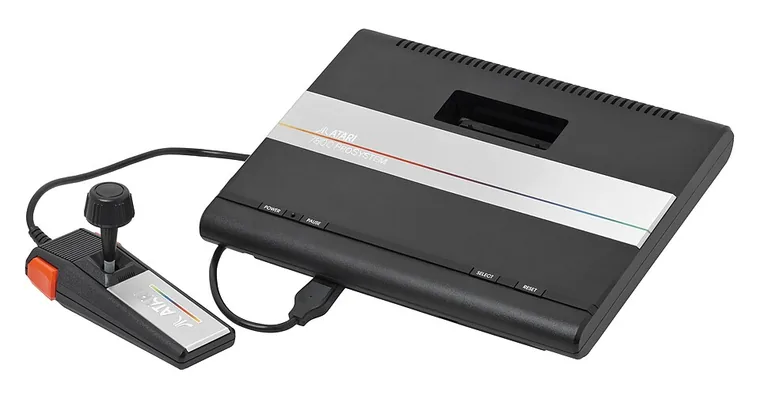
The Atari 7800 built on the proven standard of its older sibling. The console had two controller ports compatible with the Atari 2600 connector, so classic joysticks worked too. The bundle included a two-button controller with a dial (Pro-Line), which many players did not particularly like due to its ergonomics. Thanks to compatibility with the older system, paddles could also be used for games that required them.
In terms of connecting to a television, the console offered a standard RF output via the antenna input, a solution typical for the home devices of the era. Planned expansion peripherals, including a keyboard and a high-speed module, either never achieved wide distribution or remained only in the prototype stage – toward the end of the console's life, Atari no longer invested in developing further accessories.
Models and revisions
The console underwent cosmetic tweaks rather than a fundamental redesign during its life. The original 1986 model had a bulkier body with a detachable dial for the expansion connector on the right side. The later variant received a slightly reduced and simplified case, while the aforementioned expansion port (which never had any real use) disappeared from some units. These were cost-saving redesigns typical of a console that Atari kept on the market more out of inertia – official support ran out at approximately 1992.
Clones and variants
Unlike the Atari 2600 or the ZX Spectrum, the Atari 7800 did not become a target of massive cloning. There were several reasons: a small installed base, weaker worldwide reach, and the fact that its MARIA graphics architecture was harder for unofficial manufacturers to imitate. In the Eastern Bloc, where the systems copied were mainly those built around the NES (the famous Famiclones and the Pegasus sold here) or the ZX Spectrum (the domestic Didaktik), the 7800 therefore left practically no trace. This console thus remained more of an American affair without any notable Czechoslovak echoes.
Today's scene
Today the Atari 7800 is well covered by emulators – alongside the specialized ProSystem, it is handled by a number of multi-system solutions and cores within RetroArch. The console also has a surprisingly lively homebrew community, which to this day releases new games on physical cartridges and uses MARIA's capabilities to the fullest – often better than the titles from the 1980s managed. For collectors and retro enthusiasts, the 7800 thus represents an underappreciated machine whose graphical potential only gained full recognition decades later.
Games on this platform (37)
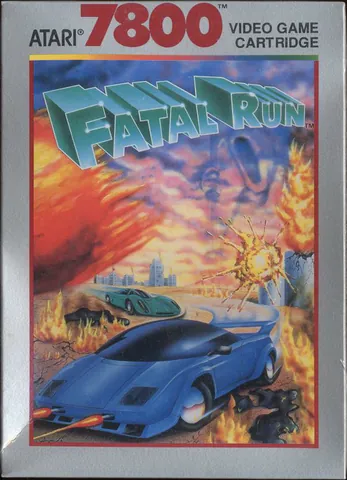
Fatal Run
A post-apocalyptic drive with text passages; debuted as a launch title for the Atari Lynx.
No game in this genre.