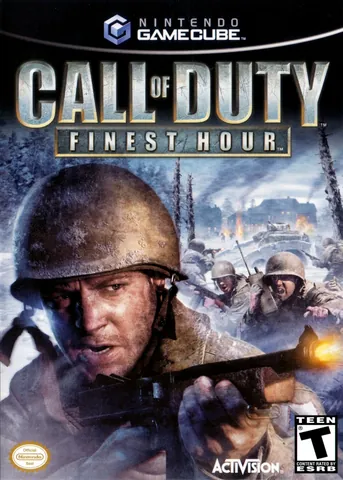
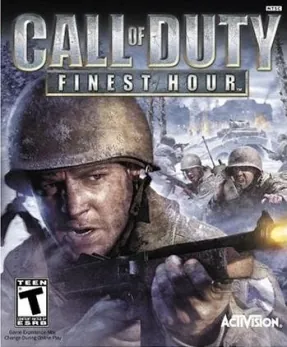
Call of Duty: Finest Hour
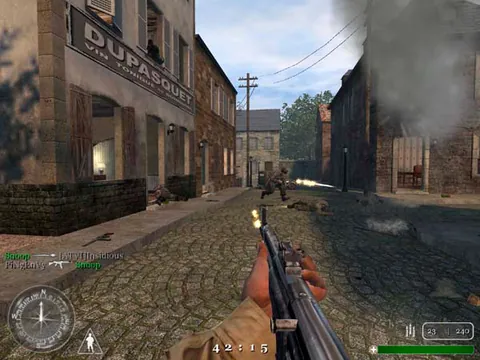
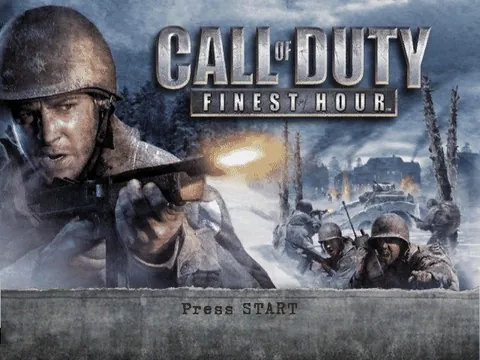
Call of Duty: Finest Hour was the first entry in the series created exclusively for consoles – while the original Call of Duty from 2003 was released only on PC, Activision entrusted the console spin-off to the American studio Spark Unlimited, which built a completely separate game with its own campaign, its own missions, and its own engine adapted to the controllers and performance of the consoles of the time. The player gradually takes on the role of a Soviet sniper defending Stalingrad house by house, a British tank crewman fighting in the North African desert, and an American paratrooper who jumps into Normandy and goes through the subsequent fighting in France – so, unlike later entries in the series, this game alternates between three different fronts, three different combat styles, and three different sets of weapons within a single campaign, which was a fairly unusual approach in 2004 on consoles that no other war shooter offered at the time.
The GameCube version was released simultaneously with the PlayStation 2 and Xbox editions and technically stood roughly between the two – closer to the PS2 than to the more powerful Xbox, with similarly rougher textures but somewhat more stable framerates thanks to the GameCube's smaller disc format. In terms of content it was completely identical to its sister versions, the same campaign, the same missions, and the same weapons, so the only real difference remained the controls adapted to the specific GameCube controller with fewer buttons, which required an adjustment of the action layout compared to Xbox and PS2 and a slightly different arrangement for quick weapon switching.
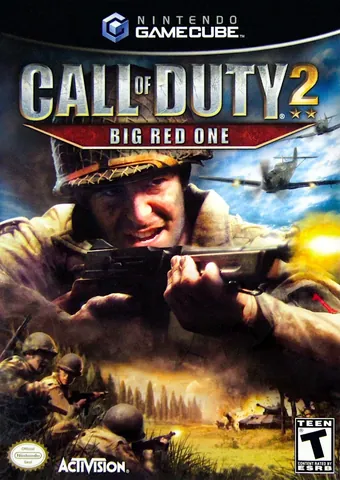
At the time it was a commercially successful and critically decently received title, praised especially for its cinematic direction and the variety of the three fronts, though compared unfavorably to the less balanced behavior of allied artificial intelligence than in the PC entries of the series at the time. Finest Hour showed that console Call of Duty had its own reason to exist independent of the series' PC versions, and paved the way for another console entry to be made a year later, Call of Duty 2: Big Red One, this time from the studio Treyarch, which stuck with the console branch of the series for several more years.
Why play it: For fans of war action games who appreciate cinematic direction and the variety of three fronts, this is a commercially successful and critically decently received title for GameCube, even with less balanced allied artificial intelligence than in the PC entries of the series at the time.
Game 98 of 104 for Nintendo GameCube
The same title elsewhere (2)
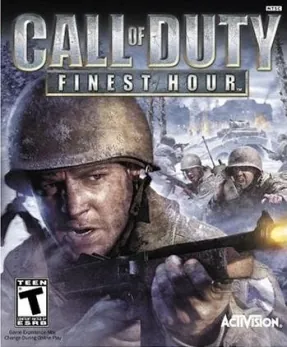
From the same series Call of Duty →
 Call of Duty PC · 2003
 Call of Duty: United Offensive PC · 2004
 Call of Duty 2: Big Red One PS2 · GCN · Xbox · 2005
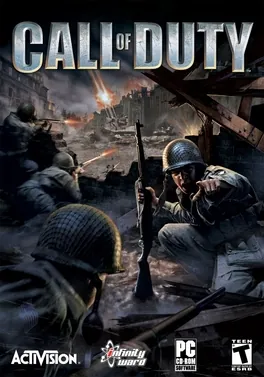 Call of Duty: Big Red One PS2 · 2005
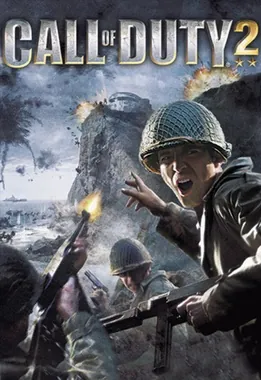 Call of Duty 2 X360 · PC · 2005
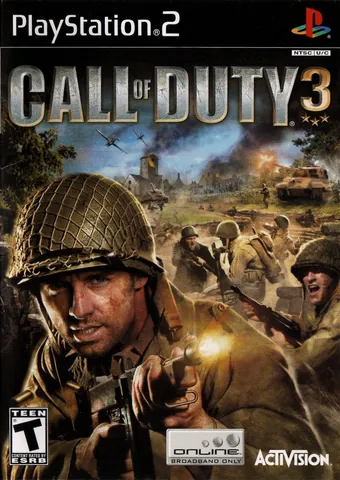 Call of Duty 3 PS2 · Wii · Xbox · X360 · PS3 · 2006
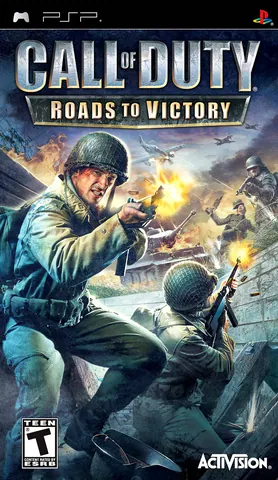 Call of Duty: Roads to Victory PSP · 2007
 Call of Duty 4: Modern Warfare X360 · PS3 · PC · 2007
 Call of Duty: World at War DS · Wii · X360 · PS3 · PC · 2008
 Call of Duty: World at War - Final Fronts PS2 · 2008
 Call of Duty: Modern Warfare - Mobilized DS · 2009
 Call of Duty: Modern Warfare 2 DS · X360 · PS3 · PC · 2009