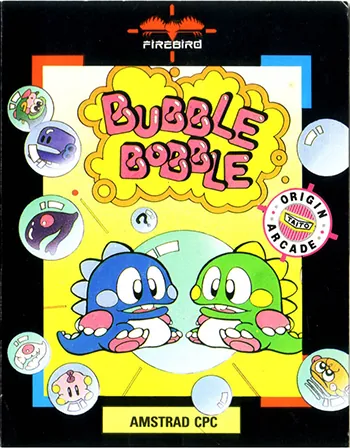
Bubble Bobble
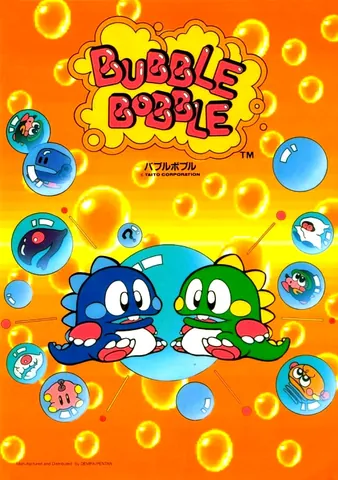
Two adorable little dragons that spew bubbles to trap their enemies - and then pop them with a cheerful smack. Bubble Bobble is the essence of cooperative arcade fun, and on the eight-bit Amstrad CPC this immortal hit found its way into many a child's bedroom.
The game is easy to grasp and fiendishly addictive. You control the dragon Bub (and with two players his green companion Bob), work through a hundred single-screen levels and blow bubbles. You trap enemies inside them, then burst the bubble and turn the opponent into fruit or treasure to collect. The game's strength lies in the interplay of two players at a single screen and its surprising depth - hidden bonuses, secret doors and the famous true ending, which you can only reach as a pair.
Bubble Bobble comes from the workshop of the Japanese company Taito and arrived in arcades in 1986. It became one of the most successful and most ported arcade titles of the eighties and gave rise to a whole family of games, including the sequel Rainbow Islands. The characterful dragons Bub and Bob became mascots of the brand.
Culturally, Bubble Bobble is a textbook example of a game that pairs a cute look with mechanics that never grow stale. It defined the notion of what a cheerful cooperative arcade game should look like, and to this day it appears in rankings of the best co-op games ever.
The conversion to the Amstrad CPC, popular especially in Britain, France and Spain, had to respect the possibilities of that eight-bit graphics and sound, so compared to the arcade machine it looks and sounds more modest. Even so, it kept what matters - the catchy gameplay and the joy of playing together as a pair, which makes Bubble Bobble a classic across generations.
Why play: For immortal, instantly catchy cooperative two-player fun that still delights decades later.
Game 19 of 26 for Amstrad CPC
The same title elsewhere (8)
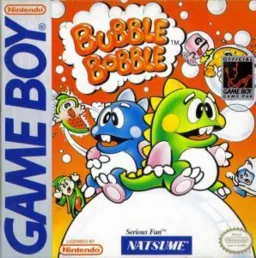
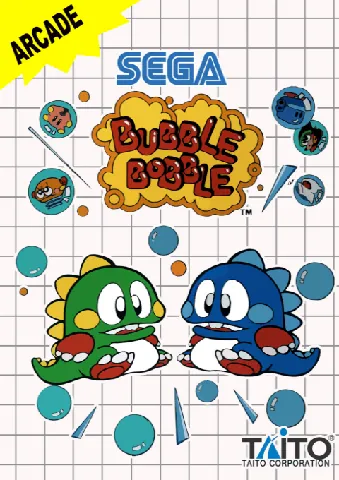
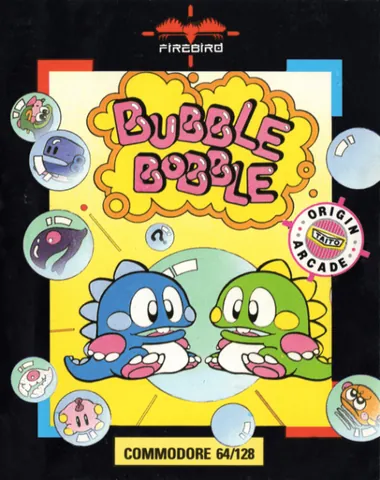
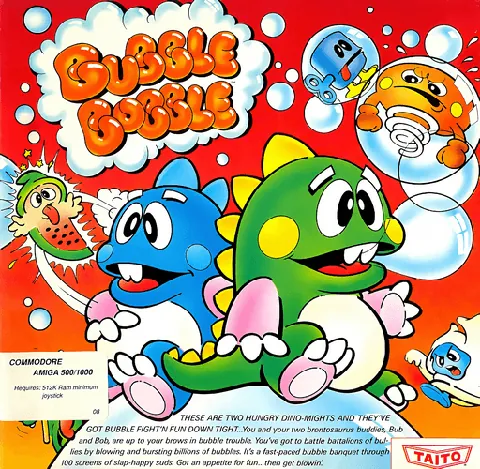
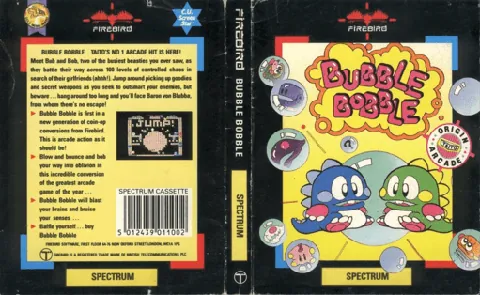
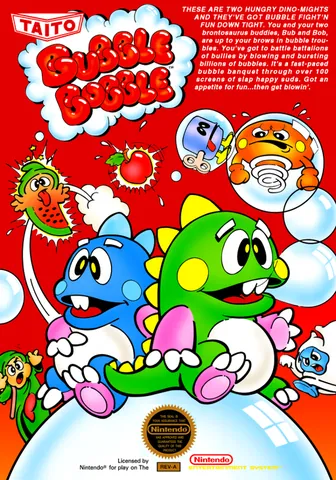
Taito's arcade original defined the game's charm, but home 8-bit versions earned their own reputation. The Commodore 64 version is famous for its music — the SID chip tune remains one of the most praised soundtracks of the 8-bit era. The NES conversion contains all one hundred original levels plus bonus modes and alternate endings, often seen as the most complete home version. ZX Spectrum and Amstrad CPC had to limit color and the smoothness of bubble movement due to weaker hardware, giving a plainer screen than the competition. Amiga and Atari ST offered faithful arcade-style graphics, but given the power of those machines, they're often judged as less ambitious ports than contemporary projects elsewhere. Game Boy reduced everything to a small monochrome screen, yet stayed addictive.