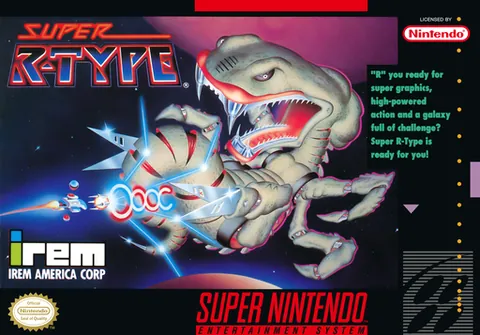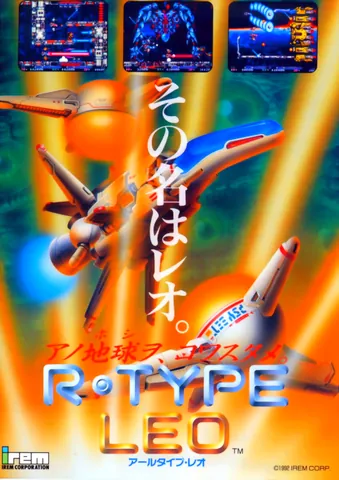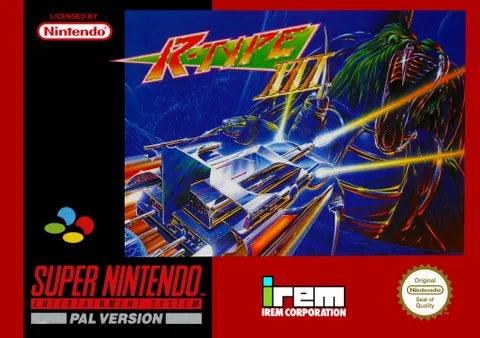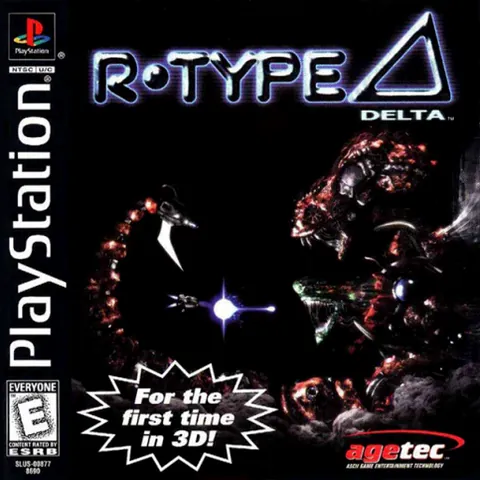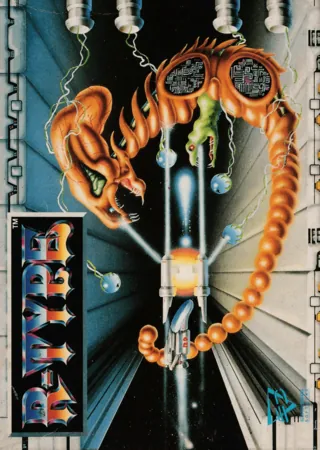
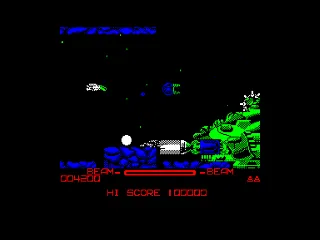
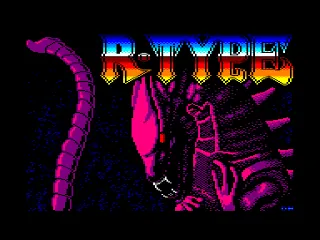
Few shooters evoke such a mix of respect and frustration as R-Type, and its port to the Amstrad CPC belongs to the legendary chapters of eight-bit history. This horizontal space shooter became famous for its uncompromising difficulty and a design that forces players to learn every level by heart, and it's precisely this demanding nature that made it a cult classic.
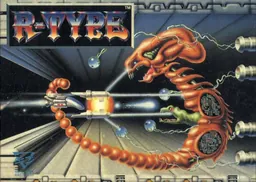
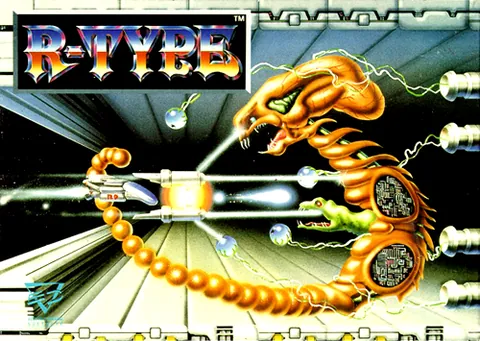
The heart of the game is its ingenious weapon mechanic. Besides the chargeable main cannon, the so-called Beam, you have at your disposal a module called the Force – a sturdy satellite that can be attached to the front or rear of the ship, or sent forward as an autonomous weapon. This tactical choice between defence and attack elevated R-Type above the competition, and its battles against monumental bosses, inspired by organic horror, became unforgettable moments.
The original was created by the Japanese company Irem, which brought the game into arcades in 1987. The conversion for European home computers including the Amstrad CPC was then handled by Activision, and the CPC version became famous for how well it managed to convey the atmosphere and difficulty of the original, albeit at the price of a slower pace. For many who remember it, the Amstrad R-Type is precisely a symbol of what an eight-bit machine could handle when a capable programming team came together.
The cultural significance of R-Type is fundamental. The game popularised the mechanic of an attachable support weapon, influenced countless later shooters and became the founder of an entire series that continued long into the 3D era. Its aesthetic, combining machine coldness with biomechanical organicity, etched itself permanently into the genre's memory.
Today R-Type on the Amstrad CPC is prized as one of the better ports of an arcade shooter to an eight-bit and as a tribute to the patience of players who weren't afraid to die again and again. For newcomers it's a hard school; for those who remember, a return to a title that defined what a real challenge means.
Why play: For the tactical depth of its weapon system and the honest, uncompromising challenge of one of the most influential shooters of all time.
Game 23 of 26 for Amstrad CPC
The same title elsewhere (7)
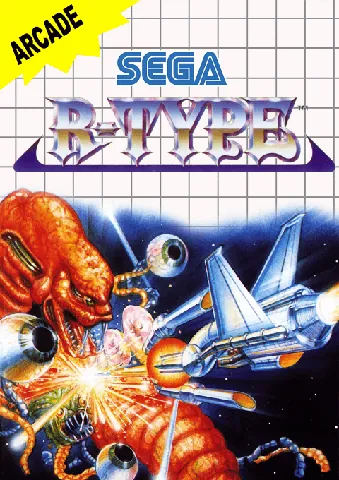
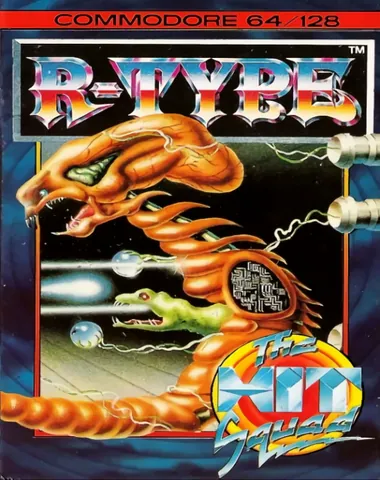
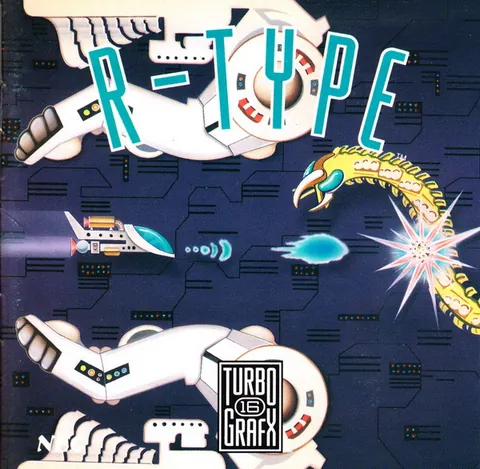
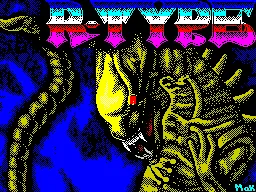
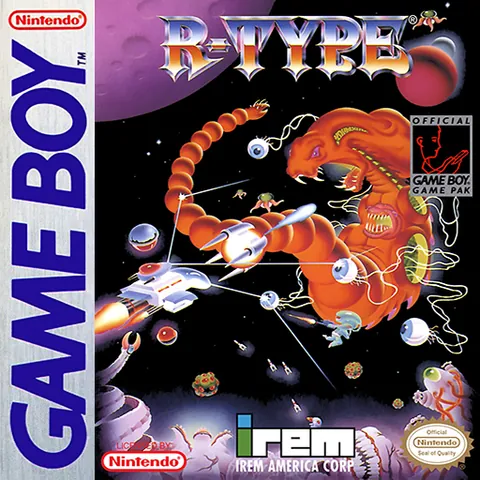
R-Type is a textbook case of a game where Irem's arcade board far outstripped contemporary home conversions, so differences mostly come down to how much graphical density and smoothness each platform could hold onto. Amiga and Atari ST came closest to the arcade experience, with smooth scrolling and faithful colors for the biomechanical enemies. Versions for Commodore 64, ZX Spectrum, and Amstrad CPC had to limit the number of enemies on screen and simplify backgrounds due to weaker hardware, slowing the game down, though the original's punishing difficulty remained intact. The PC Engine conversion was among the technically strongest ports, close to the arcade in color and speed. On Game Boy and SEGA Master System, graphics and pacing had to be noticeably simplified.