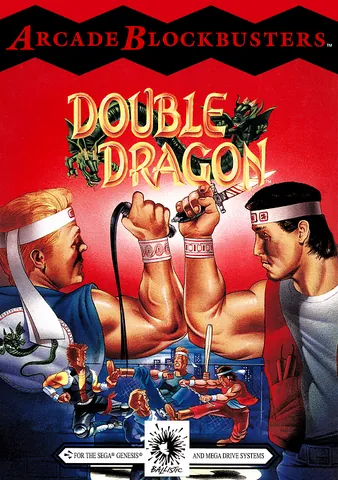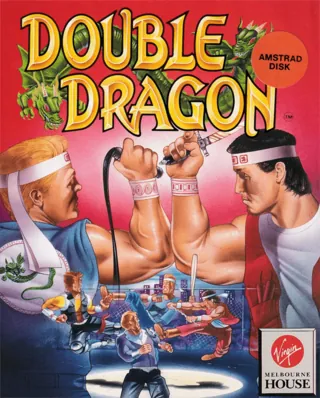
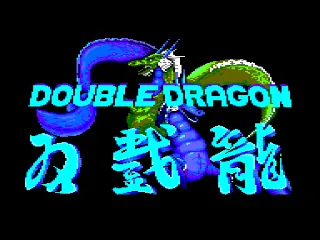
Double Dragon
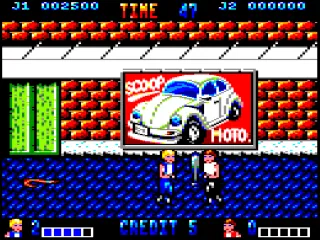
A pub brawl transferred to the monitor of an eight-bit computer – that's how you could describe the feel of the home conversion of the arcade game Double Dragon on the Amstrad CPC. A game that unleashed an entire fashion wave of the beat 'em up genre in the arena of arcades tries to cram its brutal poetry of fists and knees into the modest memory of the British machine. And it's precisely this contrast between the grand original and the possibilities of home hardware that makes this version an interesting chapter of retro history.
The essence stays true to the original: the pair of brothers Billy and Jimmy Lee fight their way through gang-ruled streets to rescue the kidnapped girl Marian. The mechanics rest on punches, kicks and above all on grabbing and using weapons left lying on the ground by enemies – a whip, a barrel, a knife or a crate become a welcome ally in the fight against superior numbers. It was precisely the element of weapons and combat against waves of opponents that set Double Dragon apart from older fighting games and foreshadowed the shape of the genre for years to come.
The development context is to be found in late-eighties Japan, where the studio Technos Japan created the arcade original, which became an instant arcade hit in 1987. Conversions for home microcomputers including the Amstrad CPC were then prepared by British teams, for whom porting arcade titles was daily bread. Eight-bit machines could never offer the smoothness and colour of an arcade board, so the result is always a compromise between ambition and the reality of cassette or diskette.
The cultural significance of Double Dragon is meanwhile indisputable. It became synonymous with the genre, inspired countless imitators, and the cooperative play of two players side by side etched itself into the memory of an entire generation. On the gaming field it foreshadowed later legends like Final Fight or Streets of Rage, and its name embedded itself in pop culture so deeply that it survived in the form of sequels, an animated series and an unfortunately received live-action film.
The Amstrad CPC version is today more a testimony to an age when arcades were moving into children's bedrooms and every decent hit had to come out on all the platforms of the time. For those who remember it, it's a nostalgic recollection; for younger curiosity-seekers, a window into times when a big gaming idea hid behind modest graphics.
Why play: For a glimpse into the roots of the beat 'em up genre and a feel for how the eight-bit era recast arcade legends into home bedrooms.
Game 20 of 26 for Amstrad CPC
The same title elsewhere (9)
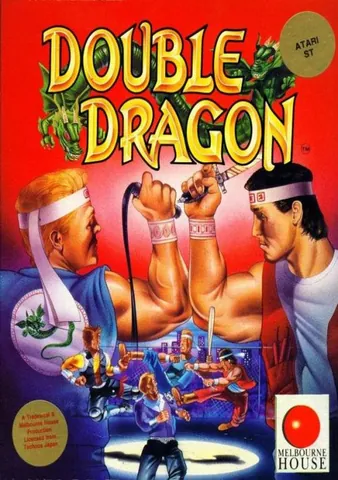
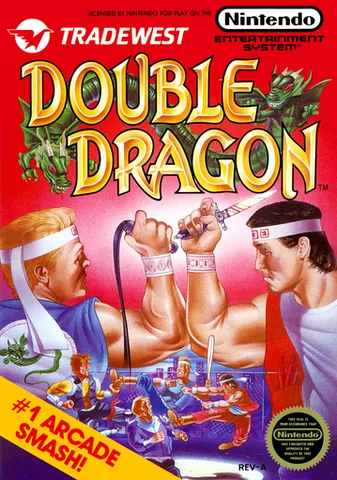
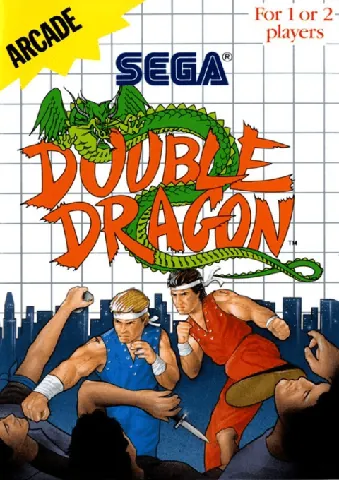
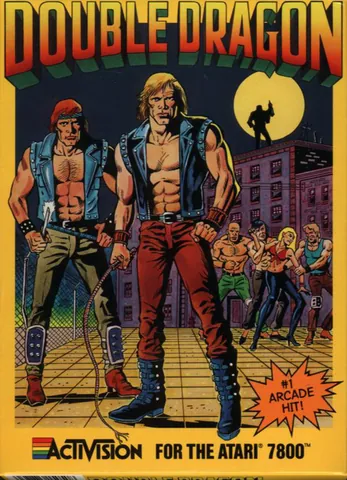
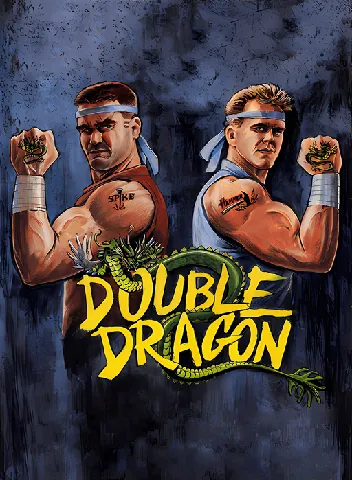
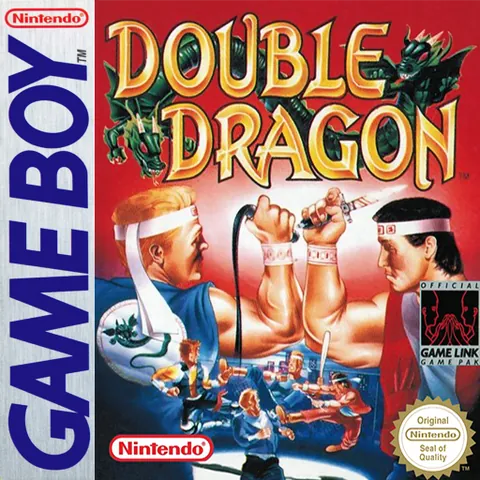
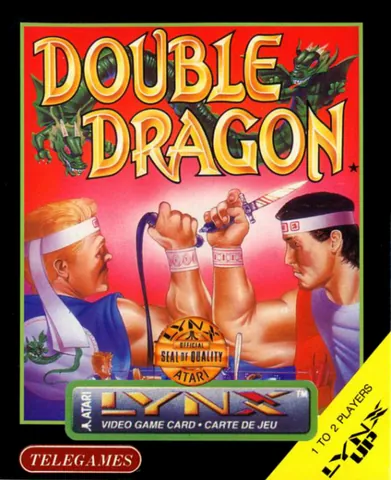
The differences between Double Dragon versions are among the most striking in the genre's early history. The NES version couldn't offer simultaneous two-player action like the arcade due to hardware limits — fights run in alternating turns or a duel mode — but developers compensated with an experience system and new moves, which many players still consider more enjoyable than the arcade. Versions for 8-bit computers like Commodore 64, ZX Spectrum, and Amstrad CPC drew sharp criticism for clunky controls, slow animation, and imprecise hits. Atari Lynx delivered a portable version many rank among the console's best action titles thanks to fluid movement and good sound. SEGA Master System and Mega Drive offered more colorful graphics closer to the arcade spirit, including two-player co-op.