Double Dragon
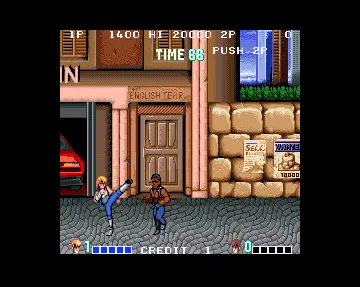
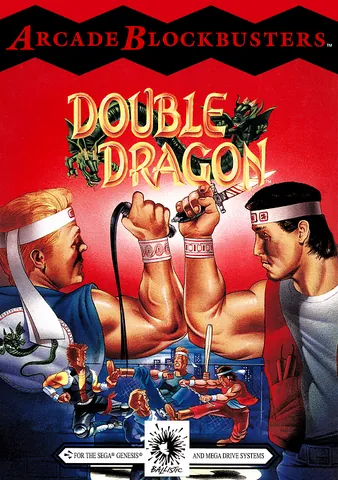
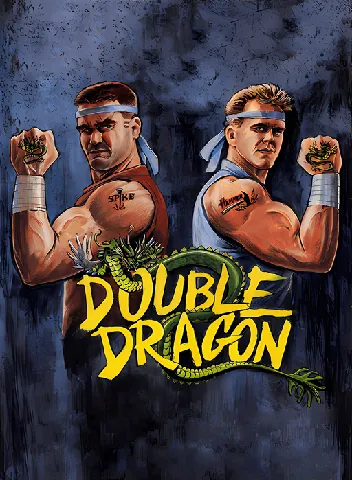
A kidnapped girl, streets full of the Black Warriors gang, and a pair of brothers who decided to talk with their fists - Double Dragon defined the beat 'em up genre, and on the Amiga it brought the street brawl into home living rooms.
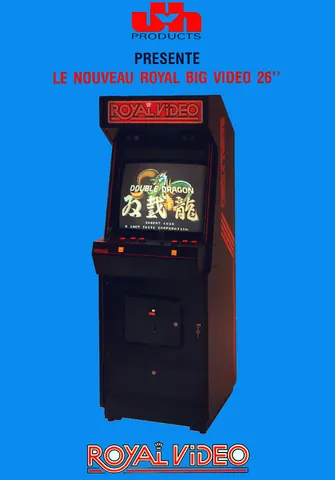
The arcade original was released by the Japanese company Technos Japan in 1987 and essentially kicked off the whole era of side-scrolling beat 'em up games. Playing the fighter Billy (and in two-player mode also his brother Jimmy Lee), the player fights their way through the streets, using a varied palette of punches, kicks, throws, and holds, and can even use dropped weapons against enemies, such as bats, whips, or knives.
A key draw was the cooperation of two players who cleared a path through hordes of opponents together - and in some versions they even had to face each other at the end for the hand of the rescued girl. This combination of team action and rivalry gave the game a distinctive charge.
Home computer ports were released in many forms, and the Commodore Amiga version benefited from the more colorful graphics of the 16-bit machine. Home conversions had a mixed reputation, but the Double Dragon brand itself was so strong that crowds of players longing for street action bought the game.
Double Dragon became one of the founding pillars of the genre, which later culminated in titles like Final Fight and Streets of Rage. It spawned sequels, an animated series, and even a feature film, and its influence on action games is unmistakable to this day.
Why play: For the pure roots of the beat 'em up genre - grab a buddy, pick a Lee brother, and clean up the streets the way it was done at the dawn of beat 'em ups.
Game 54 of 121 for Commodore Amiga
The same title elsewhere (9)
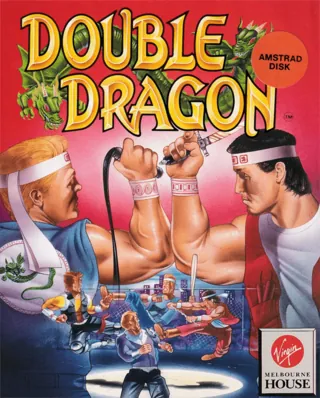
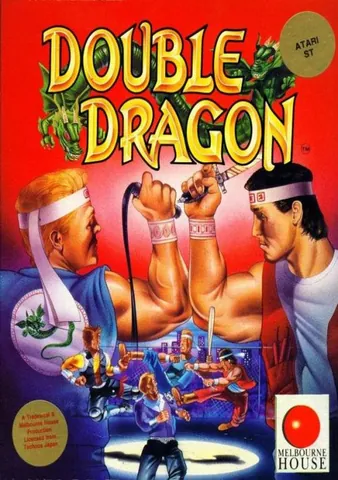
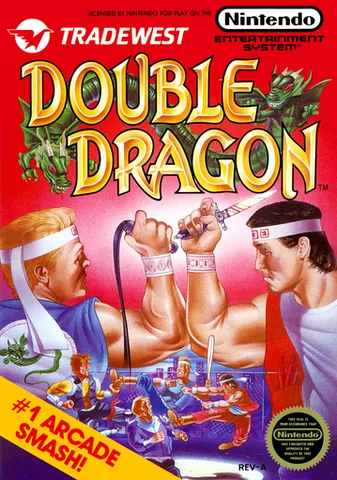
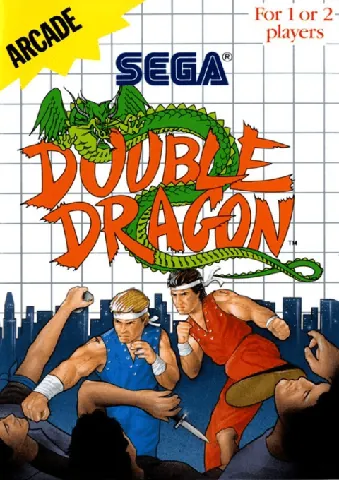
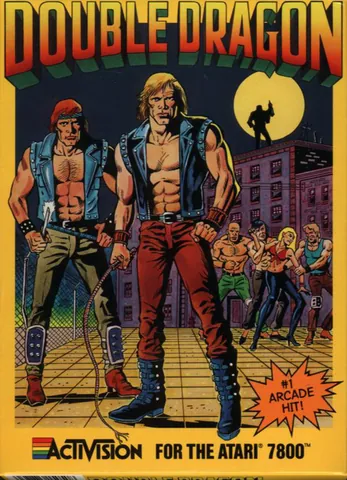
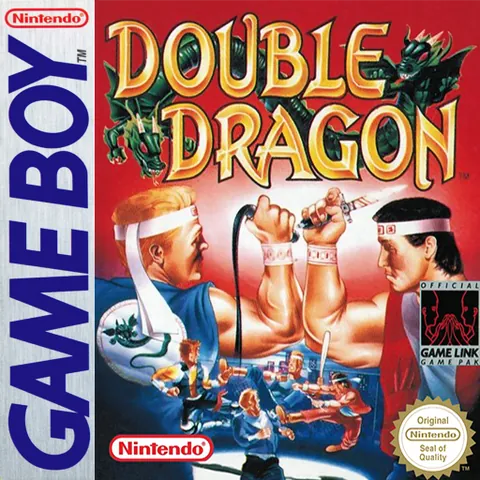
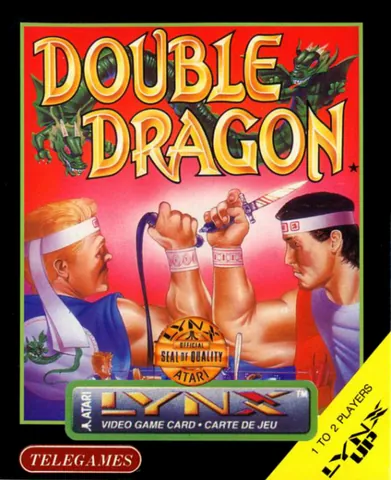
The differences between Double Dragon versions are among the most striking in the genre's early history. The NES version couldn't offer simultaneous two-player action like the arcade due to hardware limits — fights run in alternating turns or a duel mode — but developers compensated with an experience system and new moves, which many players still consider more enjoyable than the arcade. Versions for 8-bit computers like Commodore 64, ZX Spectrum, and Amstrad CPC drew sharp criticism for clunky controls, slow animation, and imprecise hits. Atari Lynx delivered a portable version many rank among the console's best action titles thanks to fluid movement and good sound. SEGA Master System and Mega Drive offered more colorful graphics closer to the arcade spirit, including two-player co-op.